/images/ppid_59c68470-image-17816350260077601.webp)


/images/ppid_59c68470-image-178163506013915164.webp)


What is the story about?
India's demographic profile, rising wealth levels and growing appetite for premium products are expected to drive strong growth in the luxury car market over the next decade, according to Mercedes-Benz.
Speaking to CNBC-TV18, Mathias Geisen, Member of the Board of Management at Mercedes-Benz Group, said the company sees significant long-term potential in the country despite the luxury vehicle segment remaining relatively small today.
"If we look at the demographics, we believe it will grow strongly," Geisen said. "We absolutely believe that the interest in luxury products and high-tech products is increasing."
India currently sells around 50,000 luxury vehicles annually, a fraction of the country's overall passenger vehicle market of about 4.5 million units. Geisen, however, believes the market will look very different a decade from now.
"We believe that 50,000 units in the luxury segment is not what the market will look like 10 years from now," he said.
The executive pointed to rising household incomes and increasing wealth creation as key drivers that could expand demand for premium automobiles.
"With rising household incomes and wealth levels, we believe the overall market will increase substantially," Geisen said.
Mercedes-Benz has observed distinctive consumer behaviour in India compared with many other markets. According to Geisen, Indian luxury car buyers tend to be younger and place a strong emphasis on both technological innovation and craftsmanship.
"Customers here are much younger than they are on a worldwide scale," he said. "They are very interested in craftsmanship on the one hand, but also in technological innovation."
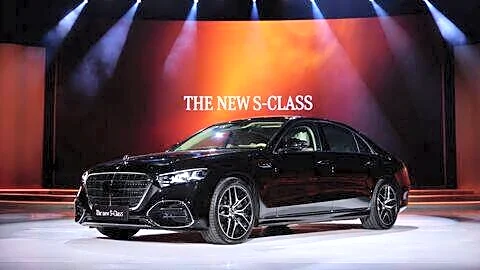
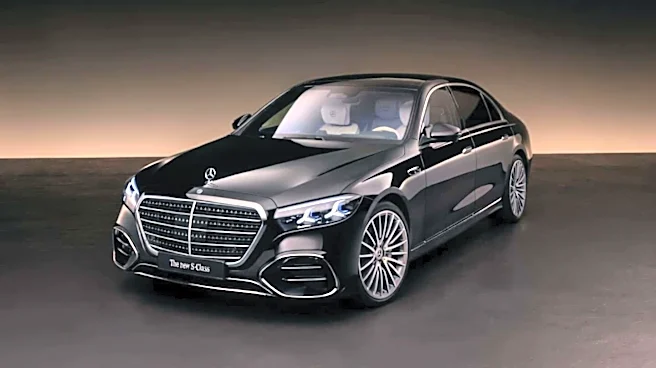
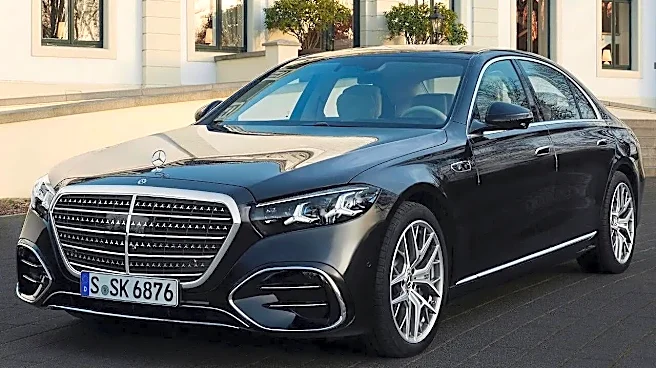
The company is also seeing a higher preference for top-end luxury models in India than in many other parts of the world. Vehicles in the company's top-end segment, including the S-Class and models above it, account for around 25% of Mercedes-Benz sales in India, compared with about 15% globally.
Geisen said this reflects the sophistication of Indian buyers and their willingness to spend on premium products that combine luxury, technology and personalisation.
The growth momentum has accelerated in recent years. Geisen said the pace of expansion in India has been particularly strong following the pandemic.
"The speed in India is really high," he said, adding that Mercedes-Benz was the only luxury carmaker to record growth in the first quarter of the year.
The company also believes demand for premium electric vehicles will rise as affluent consumers increasingly embrace new technologies. Electric vehicles account for roughly 10% of Mercedes-Benz sales globally and a similar share in India, while adoption is already higher among top-end luxury buyers.
The optimistic outlook reflects broader changes in India's consumer landscape. Once viewed primarily as a price-sensitive market, the country is now producing a growing number of affluent buyers who are willing to pay for premium experiences, advanced technology and globally recognised luxury brands.
India remains a relatively small luxury car market in absolute terms, but it is becoming one of the most closely watched growth stories for global premium automakers. For Mercedes-Benz, the combination of favourable demographics, rising prosperity and evolving consumer aspirations could make the country one of the most important luxury vehicle markets in the years ahead.
Speaking to CNBC-TV18, Mathias Geisen, Member of the Board of Management at Mercedes-Benz Group, said the company sees significant long-term potential in the country despite the luxury vehicle segment remaining relatively small today.
"If we look at the demographics, we believe it will grow strongly," Geisen said. "We absolutely believe that the interest in luxury products and high-tech products is increasing."
India currently sells around 50,000 luxury vehicles annually, a fraction of the country's overall passenger vehicle market of about 4.5 million units. Geisen, however, believes the market will look very different a decade from now.
"We believe that 50,000 units in the luxury segment is not what the market will look like 10 years from now," he said.
The executive pointed to rising household incomes and increasing wealth creation as key drivers that could expand demand for premium automobiles.
"With rising household incomes and wealth levels, we believe the overall market will increase substantially," Geisen said.
Mercedes-Benz has observed distinctive consumer behaviour in India compared with many other markets. According to Geisen, Indian luxury car buyers tend to be younger and place a strong emphasis on both technological innovation and craftsmanship.
"Customers here are much younger than they are on a worldwide scale," he said. "They are very interested in craftsmanship on the one hand, but also in technological innovation."
The company is also seeing a higher preference for top-end luxury models in India than in many other parts of the world. Vehicles in the company's top-end segment, including the S-Class and models above it, account for around 25% of Mercedes-Benz sales in India, compared with about 15% globally.
Geisen said this reflects the sophistication of Indian buyers and their willingness to spend on premium products that combine luxury, technology and personalisation.
The growth momentum has accelerated in recent years. Geisen said the pace of expansion in India has been particularly strong following the pandemic.
"The speed in India is really high," he said, adding that Mercedes-Benz was the only luxury carmaker to record growth in the first quarter of the year.
The company also believes demand for premium electric vehicles will rise as affluent consumers increasingly embrace new technologies. Electric vehicles account for roughly 10% of Mercedes-Benz sales globally and a similar share in India, while adoption is already higher among top-end luxury buyers.
The optimistic outlook reflects broader changes in India's consumer landscape. Once viewed primarily as a price-sensitive market, the country is now producing a growing number of affluent buyers who are willing to pay for premium experiences, advanced technology and globally recognised luxury brands.
India remains a relatively small luxury car market in absolute terms, but it is becoming one of the most closely watched growth stories for global premium automakers. For Mercedes-Benz, the combination of favourable demographics, rising prosperity and evolving consumer aspirations could make the country one of the most important luxury vehicle markets in the years ahead.



/images/ppid_59c68470-image-178153756216317015.webp)
/images/ppid_59c68470-image-17816200259681400.webp)