/images/ppid_59c68470-image-178843765283116345.webp)


What is the story about?
The transition to electric mobility in India is inevitable, and automakers must find ways to make electric vehicles commercially viable, Prime Minister Narendra Modi's advisor Tarun Kapoor said at the Society of Indian Automobile Manufacturers' (SIAM) annual convention in New Delhi.
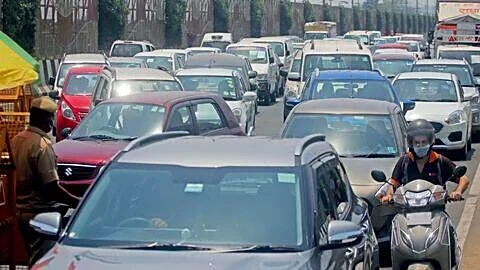
Kapoor warned that restrictions on conventional vehicles are likely to increase, with such measures already being implemented in Delhi-NCR and potentially expanding to other parts of the country.
“There are restrictions which will keep coming in. So, in Delhi restrictions have already started coming in. In other areas also, they may start kicking in, so therefore we have to prepare for that,” Kapoor said.
He said automakers cannot continue to favour conventional vehicles simply because they are currently more profitable, and must instead work out how to make EVs a commercially viable business.
“But then how to make a profit is up to you. You have to think about that. But this transition is going to happen,” Kapoor said.
EV transition across vehicle segments
Kapoor said the transition in heavy vehicles, particularly trucks and buses, is now becoming increasingly important. He added that the two-wheeler segment is already progressing well on electric mobility.
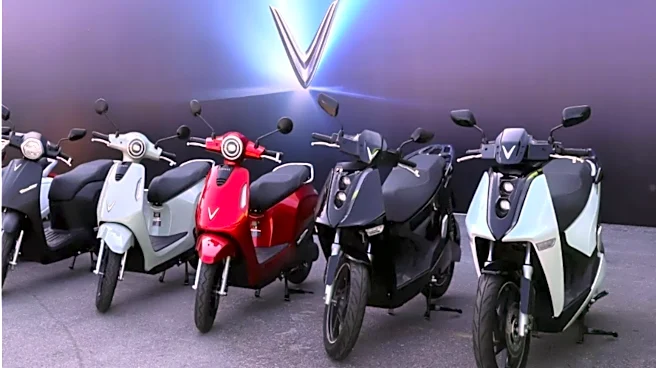
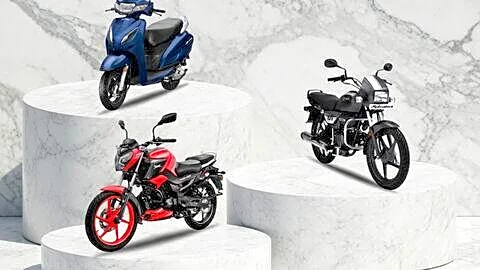
“In two-wheelers, things are going fine. Though two-wheeler manufacturers keep telling us that they don't make much money in electric, they still want to sell more of those conventional ones because probably they are more profitable,” he said.
Kapoor's comments come as the government seeks to accelerate India's shift towards electric mobility across vehicle segments, while preparing the industry for potentially tighter restrictions on conventional vehicles.
Govt flags charging infrastructure gaps
Heavy Industries Secretary Kamran Rizvi separately urged automakers to take greater responsibility for developing India's electric vehicle charging infrastructure.
“The SIAM members need to get their act together on electric charging,” Rizvi said.
He said the industry had largely left charging infrastructure to specialised charging companies, drawing a comparison with the way petrol pumps developed independently of automobile manufacturers.
However, Rizvi said consumer feedback indicates that unreliable charging infrastructure remains a concern for potential EV buyers.
“Customers who come and meet us repeatedly tell us that electric mobility is good. ‘I want to buy an electric car. I have bought an electric car. I travelled from location X to location Y. There were 50 charging stations shown on the way, but half of them are not working,’” he said.
The comments underline the two key challenges facing India's EV transition: making electric vehicles commercially viable for automakers and ensuring consumers have access to a reliable charging network.
Kapoor warned that restrictions on conventional vehicles are likely to increase, with such measures already being implemented in Delhi-NCR and potentially expanding to other parts of the country.
“There are restrictions which will keep coming in. So, in Delhi restrictions have already started coming in. In other areas also, they may start kicking in, so therefore we have to prepare for that,” Kapoor said.
He said automakers cannot continue to favour conventional vehicles simply because they are currently more profitable, and must instead work out how to make EVs a commercially viable business.
“But then how to make a profit is up to you. You have to think about that. But this transition is going to happen,” Kapoor said.
EV transition across vehicle segments
Kapoor said the transition in heavy vehicles, particularly trucks and buses, is now becoming increasingly important. He added that the two-wheeler segment is already progressing well on electric mobility.
“In two-wheelers, things are going fine. Though two-wheeler manufacturers keep telling us that they don't make much money in electric, they still want to sell more of those conventional ones because probably they are more profitable,” he said.
Kapoor's comments come as the government seeks to accelerate India's shift towards electric mobility across vehicle segments, while preparing the industry for potentially tighter restrictions on conventional vehicles.
Govt flags charging infrastructure gaps
Heavy Industries Secretary Kamran Rizvi separately urged automakers to take greater responsibility for developing India's electric vehicle charging infrastructure.
“The SIAM members need to get their act together on electric charging,” Rizvi said.
He said the industry had largely left charging infrastructure to specialised charging companies, drawing a comparison with the way petrol pumps developed independently of automobile manufacturers.
However, Rizvi said consumer feedback indicates that unreliable charging infrastructure remains a concern for potential EV buyers.
“Customers who come and meet us repeatedly tell us that electric mobility is good. ‘I want to buy an electric car. I have bought an electric car. I travelled from location X to location Y. There were 50 charging stations shown on the way, but half of them are not working,’” he said.
The comments underline the two key challenges facing India's EV transition: making electric vehicles commercially viable for automakers and ensuring consumers have access to a reliable charging network.


/images/ppid_59c68470-image-17887475609955937.webp)


/images/ppid_59c68470-image-178877253322953873.webp)
/images/ppid_59c68470-image-17885975594771952.webp)