/images/ppid_59c68470-image-177925252148696610.webp)


/images/ppid_59c68470-image-177908510231472887.webp)
/images/ppid_a911dc6a-image-17791592287636658.webp)
What is the story about?
Rising global bond yields and sticky inflation are becoming the biggest risk for equities, according to emerging market strategist Adrian Mowat. He said higher interest rates, tighter monetary policy, and concerns around the Strait of Hormuz are creating pressure on risk assets and weakening the outlook for growth and emerging markets.
Mowat believes markets are already showing signs of strain beneath the surface, even as headline indices remain elevated.
He expects the US market could retest its late March-early April lows and says investors may be better off staying in cash, especially US dollars, until volatility eases.
 This is an edited transcript of the interview.Q: Let’s begin with the big surge that we are seeing in global bond yields. The 30-year yield in the US is at a 19-year high, yields are high in Japan, France and Germany, and in a way, it has unsettled equity markets. There is no panic selling yet, but what is this indicating?
A: Inflation is usually the biggest threat to equities. When inflation moves higher, you get tighter monetary policy and higher discount rates. Tighter monetary policy means less growth and weaker earnings growth, while higher discount rates compress P/E multiples. So, markets should be anxious about this.
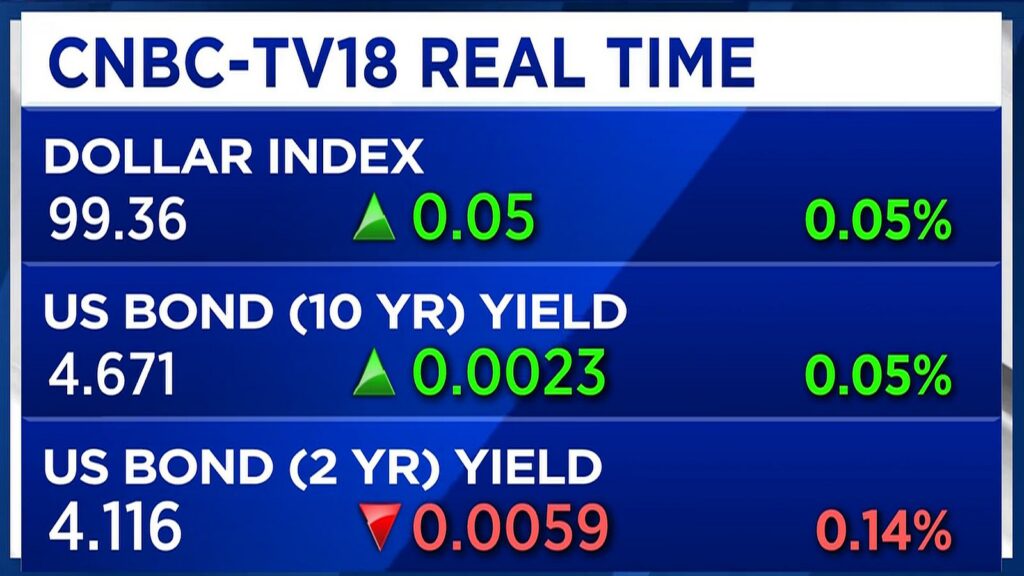
The first thing to look at is bond volatility, and we are seeing the Merrill Lynch Option Volatility Estimate (MOVE) Index moving higher quite quickly, though not yet at the peak we saw at the start of the Iran war. I am turning quite cautious on global equities because of what we are seeing now.
Headline inflation data remains poor, and core inflation is also elevated in most countries. US two-year yields were around 3.6% at the start of the year and are now at 4.1%, which clearly indicates the risk is for tighter Fed policy rather than easing, which was the consensus earlier this year.
Equity markets are high, but it is important to look at the details. The equally weighted S&P has not made new highs recently, and the market has become narrower since the start of the Iran war. The average semiconductor stock is up around 25%, while consumer discretionary stocks are down roughly 13%, showing investor anxiety beneath the surface.
Also Read | Rupee could weaken to ₹97-97.50 sooner than markets expect: ANZ Research
The earnings from semiconductor companies have been extremely strong, and supply remains tight relative to capex, but a lot of that is already reflected in share prices. Investors should remain cautious until there is more clarity.
The new trade now is the “NACHO trade” — “Not A Chance Hormuz Opens.” At the moment, it is difficult to see common ground between Iran and the United States over the Strait of Hormuz. There is a risk that over the summer months, we begin to see rationing, textile companies shutting production because of polyester shortages, and manufacturing disruptions due to a lack of plastic supplies. Bond markets are clearly raising the flag.
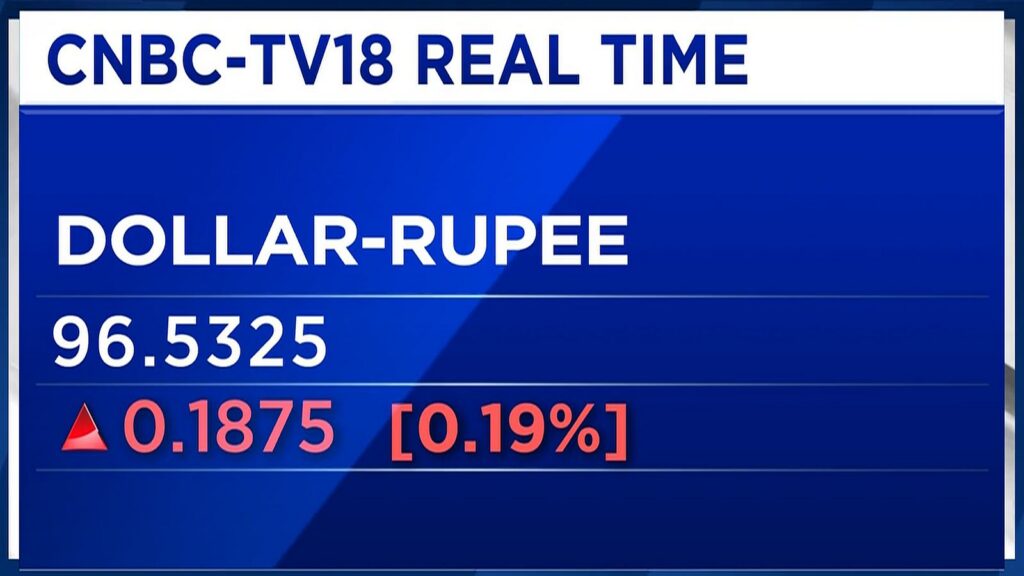
Q: India has underperformed. The rupee has weakened sharply, and yields are moving higher. How do you assess the situation for India?
A: There is arguably a technical buffer because positioning among international investors in India is already weak, but I do not see a near-term change in the challenging fundamentals.
The challenges include a deteriorating current account position and real pressure on the Indian consumer because of rising prices. Agricultural prices have not yet fully reflected the impact of the Strait of Hormuz situation. The real concern is for crops later in the year, when farmers may struggle with diesel and fertiliser costs.
The risk is that pressure on emerging market consumers, who are more vulnerable to energy and food inflation, increases as the year progresses unless there is a resolution to the Strait of Hormuz closure.
Q: Foreign institutional investors (FIIs) have also been selling in markets like Korea. Why is this happening, and where is the reallocation going?
A: A 10% pullback after such dramatic rallies is relatively modest. These are high-volatility markets now. If I were to explain the move, it goes back to bond yields. As bond yields move higher, long-duration technology stocks tend to come under pressure. So, some profit-taking in markets that have driven emerging market (EM) performance this year is quite reasonable.
Q: What can policymakers do in this situation, especially when attracting dollars becomes harder as US rates rise?
A: It is a very tough situation. Emerging market governments naturally want to help their populations deal with the shock, particularly if it is temporary, but that adds to fiscal deficits at a time when local yields are already rising because of higher global yields.
Also Read | Weaker rupee, remittance and import curbs may help manage oil shock: Economists
If currency momentum is already weak, it increases pressure to maintain a higher interest rate differential. This becomes a very unpleasant squeeze, and while it continues, it will be difficult to attract significant foreign capital into India.
 Q: When you say you are turning cautious on global equities, what kind of downside are you anticipating?
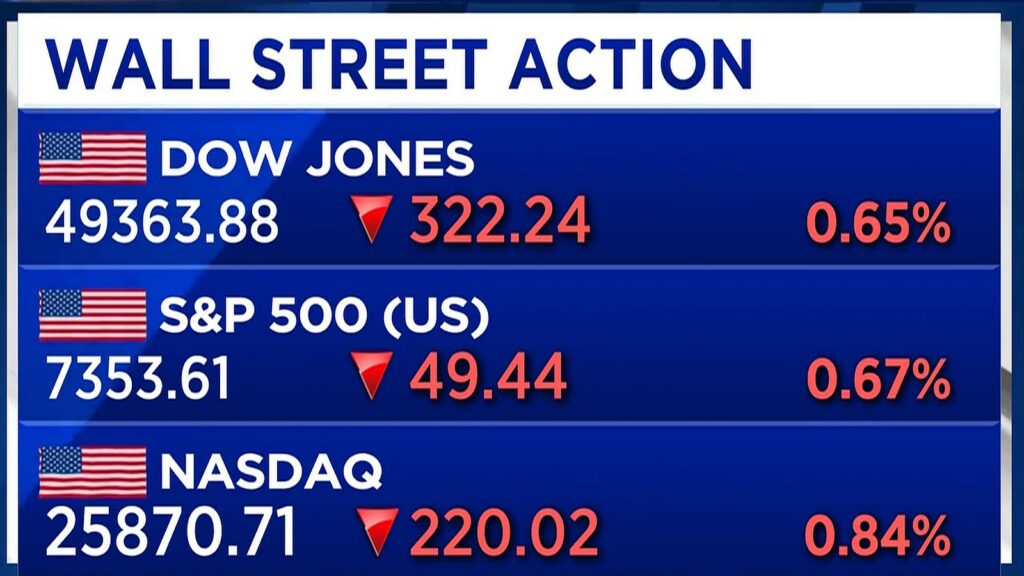
A: I think we could retest the lows seen in late March and early April because of the move in bond yields. At the moment, I am struggling to see drivers that can push equities meaningfully higher.
The technology sector has already delivered a very strong results season, and that has been reflected in share prices. The outlook now looks more like a downgrade in gross domestic product (GDP) growth and possibly the beginning of weaker earnings revisions for the US market. I think the US market could end up leading other risk assets lower.
Watch the full conversation hereQ: If you were a global investor right now, where would you hide?
A: There is nothing wrong with cash, probably US dollar cash. When the risk-reward environment deteriorates, the best decision can simply be to avoid assets that may fall further. Holding cash yielding around 3.75% is better than holding assets that are losing value.
You do not want duration at this point. However, if US 10-year yields move above 5%, I would start looking at adding some duration exposure in the bond market before jumping back into equities.
Catch all the latest updates from the stock market here
Mowat believes markets are already showing signs of strain beneath the surface, even as headline indices remain elevated.
He expects the US market could retest its late March-early April lows and says investors may be better off staying in cash, especially US dollars, until volatility eases.
This is an edited transcript of the interview.Q: Let’s begin with the big surge that we are seeing in global bond yields. The 30-year yield in the US is at a 19-year high, yields are high in Japan, France and Germany, and in a way, it has unsettled equity markets. There is no panic selling yet, but what is this indicating?
A: Inflation is usually the biggest threat to equities. When inflation moves higher, you get tighter monetary policy and higher discount rates. Tighter monetary policy means less growth and weaker earnings growth, while higher discount rates compress P/E multiples. So, markets should be anxious about this.
The first thing to look at is bond volatility, and we are seeing the Merrill Lynch Option Volatility Estimate (MOVE) Index moving higher quite quickly, though not yet at the peak we saw at the start of the Iran war. I am turning quite cautious on global equities because of what we are seeing now.
Headline inflation data remains poor, and core inflation is also elevated in most countries. US two-year yields were around 3.6% at the start of the year and are now at 4.1%, which clearly indicates the risk is for tighter Fed policy rather than easing, which was the consensus earlier this year.
Equity markets are high, but it is important to look at the details. The equally weighted S&P has not made new highs recently, and the market has become narrower since the start of the Iran war. The average semiconductor stock is up around 25%, while consumer discretionary stocks are down roughly 13%, showing investor anxiety beneath the surface.
Also Read | Rupee could weaken to ₹97-97.50 sooner than markets expect: ANZ Research
The earnings from semiconductor companies have been extremely strong, and supply remains tight relative to capex, but a lot of that is already reflected in share prices. Investors should remain cautious until there is more clarity.
The new trade now is the “NACHO trade” — “Not A Chance Hormuz Opens.” At the moment, it is difficult to see common ground between Iran and the United States over the Strait of Hormuz. There is a risk that over the summer months, we begin to see rationing, textile companies shutting production because of polyester shortages, and manufacturing disruptions due to a lack of plastic supplies. Bond markets are clearly raising the flag.
Q: India has underperformed. The rupee has weakened sharply, and yields are moving higher. How do you assess the situation for India?
A: There is arguably a technical buffer because positioning among international investors in India is already weak, but I do not see a near-term change in the challenging fundamentals.
The challenges include a deteriorating current account position and real pressure on the Indian consumer because of rising prices. Agricultural prices have not yet fully reflected the impact of the Strait of Hormuz situation. The real concern is for crops later in the year, when farmers may struggle with diesel and fertiliser costs.
The risk is that pressure on emerging market consumers, who are more vulnerable to energy and food inflation, increases as the year progresses unless there is a resolution to the Strait of Hormuz closure.
Q: Foreign institutional investors (FIIs) have also been selling in markets like Korea. Why is this happening, and where is the reallocation going?
A: A 10% pullback after such dramatic rallies is relatively modest. These are high-volatility markets now. If I were to explain the move, it goes back to bond yields. As bond yields move higher, long-duration technology stocks tend to come under pressure. So, some profit-taking in markets that have driven emerging market (EM) performance this year is quite reasonable.
Q: What can policymakers do in this situation, especially when attracting dollars becomes harder as US rates rise?
A: It is a very tough situation. Emerging market governments naturally want to help their populations deal with the shock, particularly if it is temporary, but that adds to fiscal deficits at a time when local yields are already rising because of higher global yields.
Also Read | Weaker rupee, remittance and import curbs may help manage oil shock: Economists
If currency momentum is already weak, it increases pressure to maintain a higher interest rate differential. This becomes a very unpleasant squeeze, and while it continues, it will be difficult to attract significant foreign capital into India.
Q: When you say you are turning cautious on global equities, what kind of downside are you anticipating?
A: I think we could retest the lows seen in late March and early April because of the move in bond yields. At the moment, I am struggling to see drivers that can push equities meaningfully higher.
The technology sector has already delivered a very strong results season, and that has been reflected in share prices. The outlook now looks more like a downgrade in gross domestic product (GDP) growth and possibly the beginning of weaker earnings revisions for the US market. I think the US market could end up leading other risk assets lower.
Watch the full conversation hereQ: If you were a global investor right now, where would you hide?
A: There is nothing wrong with cash, probably US dollar cash. When the risk-reward environment deteriorates, the best decision can simply be to avoid assets that may fall further. Holding cash yielding around 3.75% is better than holding assets that are losing value.
You do not want duration at this point. However, if US 10-year yields move above 5%, I would start looking at adding some duration exposure in the bond market before jumping back into equities.
Catch all the latest updates from the stock market here



/images/ppid_59c68470-image-177920260359739918.webp)
/images/ppid_59c68470-image-177915512067024615.webp)

/images/ppid_59c68470-image-177911502674525655.webp)
/images/ppid_59c68470-image-177917756966019975.webp)
/images/ppid_59c68470-image-177911003059488993.webp)
/images/ppid_59c68470-image-177900754363747336.webp)