/images/ppid_59c68470-image-177553511649529006.webp)

/images/ppid_a911dc6a-image-177542043321115967.webp)


What is the story about?
The Indian rupee opened marginally stronger on Tuesday, April 7, at 93 per US dollar, compared with Monday’s (April 6's) close of 93.06, as central bank-backed unwinding of arbitrage positions lent support to the currency.
The move follows a period of sharp volatility, during which the rupee saw wide intraday swings — including a session with a nearly 3-rupee range.
Trading conditions eased on Monday (April 6), with the currency moving within a narrower band of about 30 paise, suggesting some stabilisation.
Market participants indicated that the rupee may be finding a near-term equilibrium around the 93-per-dollar level after recent intervention measures by the Reserve Bank of India helped the currency recover from levels near 95.
Ongoing position unwinding by banks is expected to provide near-term support, potentially helping the rupee hold around current levels. However, external risks continue to weigh on sentiment, particularly the possibility of an escalation in the Iran conflict.
Heightened geopolitical tensions have pushed up crude prices, with Brent crude futures for June delivery rising to around $111 per barrel. Higher oil prices typically pressure the rupee given India’s import dependence.
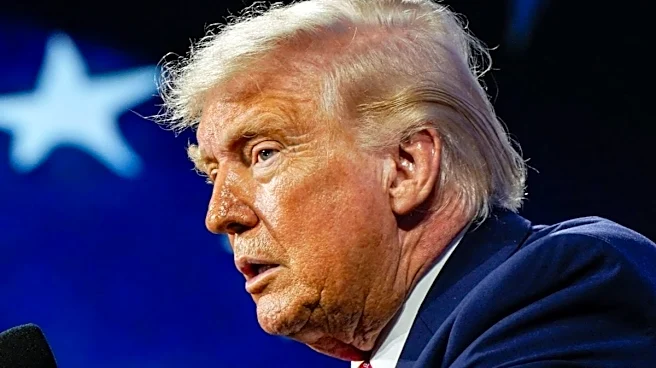
Concerns intensified after Donald Trump warned of severe consequences if Iran fails to meet a deadline to reach a deal, raising the risk of further disruption in the region, including potential threats to the Strait of Hormuz.
Analysts say the rupee remains vulnerable to such developments, with risk premiums likely to cap further gains even as domestic factors provide some stability.
-With Reuters inputs
The move follows a period of sharp volatility, during which the rupee saw wide intraday swings — including a session with a nearly 3-rupee range.
Trading conditions eased on Monday (April 6), with the currency moving within a narrower band of about 30 paise, suggesting some stabilisation.
Market participants indicated that the rupee may be finding a near-term equilibrium around the 93-per-dollar level after recent intervention measures by the Reserve Bank of India helped the currency recover from levels near 95.
Ongoing position unwinding by banks is expected to provide near-term support, potentially helping the rupee hold around current levels. However, external risks continue to weigh on sentiment, particularly the possibility of an escalation in the Iran conflict.
Heightened geopolitical tensions have pushed up crude prices, with Brent crude futures for June delivery rising to around $111 per barrel. Higher oil prices typically pressure the rupee given India’s import dependence.
Concerns intensified after Donald Trump warned of severe consequences if Iran fails to meet a deadline to reach a deal, raising the risk of further disruption in the region, including potential threats to the Strait of Hormuz.
Analysts say the rupee remains vulnerable to such developments, with risk premiums likely to cap further gains even as domestic factors provide some stability.
-With Reuters inputs
/images/ppid_a911dc6a-image-177545942836153118.webp)

/images/ppid_59c68470-image-177546011692561147.webp)


/images/ppid_59c68470-image-177545756557632439.webp)

/images/ppid_a911dc6a-image-177552963554321784.webp)
/images/ppid_59c68470-image-177544006038224316.webp)