/images/ppid_59c68470-image-177847752788039117.webp)

/images/ppid_59c68470-image-17784651129486312.webp)
/images/ppid_59c68470-image-177822502705012714.webp)
What is the story about?
Indian industry must step up investment and reduce dependence on imports such as oil and gold amid rising global economic uncertainty triggered by the prolonged West Asia conflict, Bharti Enterprises Chairman Sunil Bharti Mittal said on Monday, backing Prime Minister Narendra Modi’s recent appeal for greater economic self-reliance.
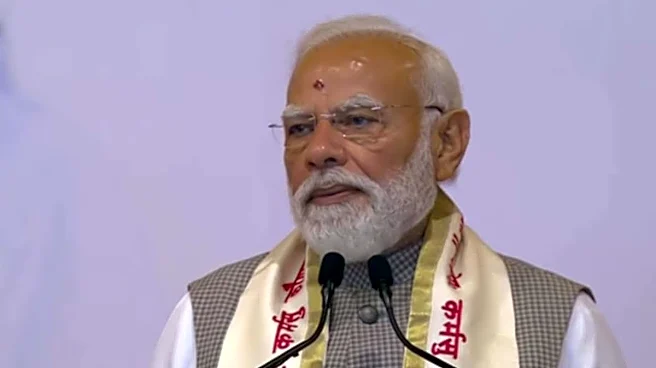
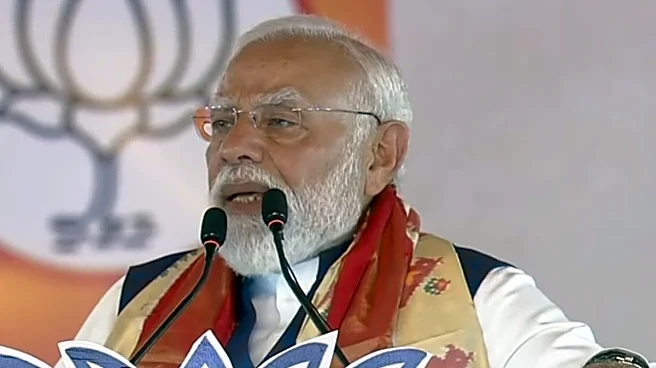
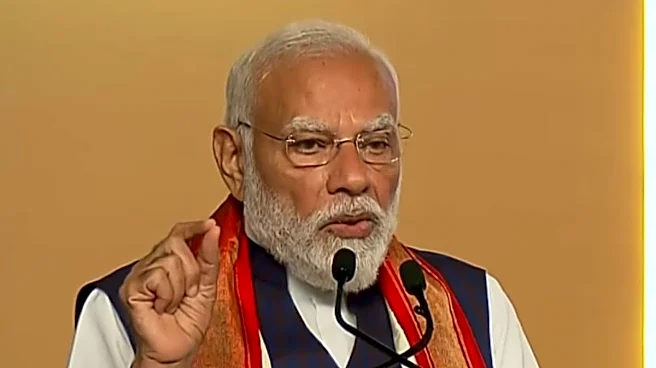
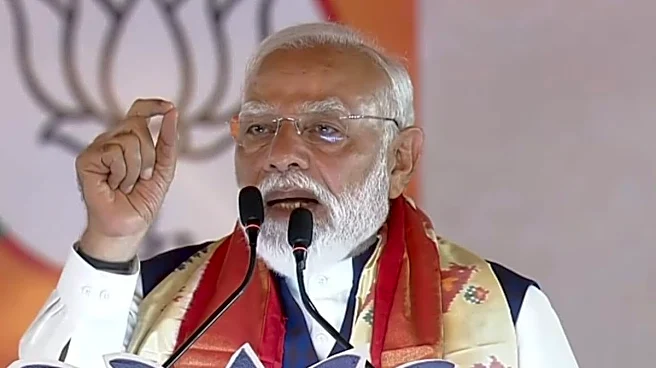
On Sunday, PM Modi urged citizens to reduce wasteful consumption and focus on domestic production and resource conservation, remarks that were widely interpreted as a signal of the government’s concern over rising oil prices, inflationary pressures and the potential widening of India’s current account deficit.
Speaking on the Prime Minister’s remarks, Mittal said the message carried significant economic importance at a time when geopolitical tensions are putting pressure on global economies.
“These are difficult times. We have been moving at fantastic times, but there are situations which are beyond our control. The issue in West Asia is creating a tremendous amount of pressure on global economies. India is no different,” Mittal said.
Calling Modi’s message “profound”, Mittal said industry leaders have a responsibility to amplify the call as they employ millions of people and play a central role in driving investment and economic activity.
“We need to get away from obsession with gold, move towards renewables and move away from oil,” he said, adding that Indian companies should continue investing aggressively within the country despite external uncertainties.
“We need to invest and spend more capex here. This is not a moment to shy away, this is a moment to double down,” Mittal said.
Mittal said Bharti Airtel had already invested over ₹30,000 crore in capital expenditure and would increase investments further in 2026.
“Airtel has invested over ₹30,000 crore in capex. We will do even more in 2026,” he said.
The comments come amid growing concerns over India’s import dependence and rising current account pressures as crude oil prices remain elevated due to the ongoing Iran conflict and wider disruptions in West Asia.
India imports a significant portion of its crude oil requirements, along with large quantities of edible oils, fertilisers and gold, making the economy vulnerable to external commodity shocks and currency pressures during periods of geopolitical instability.
Also read: What is Current Account Deficit? Why PM Modi’s import warning could affect your EMIs and bills
On Sunday, PM Modi urged citizens to reduce wasteful consumption and focus on domestic production and resource conservation, remarks that were widely interpreted as a signal of the government’s concern over rising oil prices, inflationary pressures and the potential widening of India’s current account deficit.
Speaking on the Prime Minister’s remarks, Mittal said the message carried significant economic importance at a time when geopolitical tensions are putting pressure on global economies.
“These are difficult times. We have been moving at fantastic times, but there are situations which are beyond our control. The issue in West Asia is creating a tremendous amount of pressure on global economies. India is no different,” Mittal said.
Calling Modi’s message “profound”, Mittal said industry leaders have a responsibility to amplify the call as they employ millions of people and play a central role in driving investment and economic activity.
“We need to get away from obsession with gold, move towards renewables and move away from oil,” he said, adding that Indian companies should continue investing aggressively within the country despite external uncertainties.
“We need to invest and spend more capex here. This is not a moment to shy away, this is a moment to double down,” Mittal said.
Mittal said Bharti Airtel had already invested over ₹30,000 crore in capital expenditure and would increase investments further in 2026.
“Airtel has invested over ₹30,000 crore in capex. We will do even more in 2026,” he said.
The comments come amid growing concerns over India’s import dependence and rising current account pressures as crude oil prices remain elevated due to the ongoing Iran conflict and wider disruptions in West Asia.
India imports a significant portion of its crude oil requirements, along with large quantities of edible oils, fertilisers and gold, making the economy vulnerable to external commodity shocks and currency pressures during periods of geopolitical instability.
Also read: What is Current Account Deficit? Why PM Modi’s import warning could affect your EMIs and bills

/images/ppid_59c68470-image-177847511410596188.webp)
/images/ppid_59c68470-image-17784726050307241.webp)

/images/ppid_59c68470-image-177846515038422796.webp)

/images/ppid_a911dc6a-image-177847026662325596.webp)