/images/ppid_59c68470-image-178359502594411679.webp)



What is the story about?
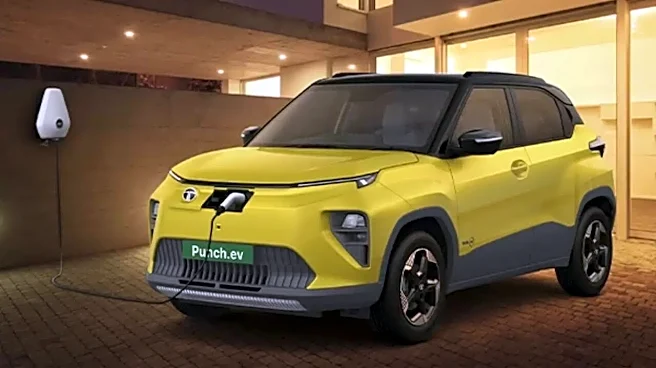
Nissan is ready to bring an electric vehicle to India and is in talks with the government on how policies will evolve, Massimiliano Messina, Chairperson of the company's Africa, Middle East, India, Europe and Oceania (AMIEO) region, told CNBC-TV18 in an exclusive conversation.
"We are ready," he said, calling an EV for India "a must," though he stopped short of committing to a timeline. "I don't want to bring a car too soon, nor too late."
The timing hinges on the newly issued CAFE norms.
"We need to understand the CAFE policy, which was just issued. Our team and I are looking at it to understand what it really means for us," Messina said.
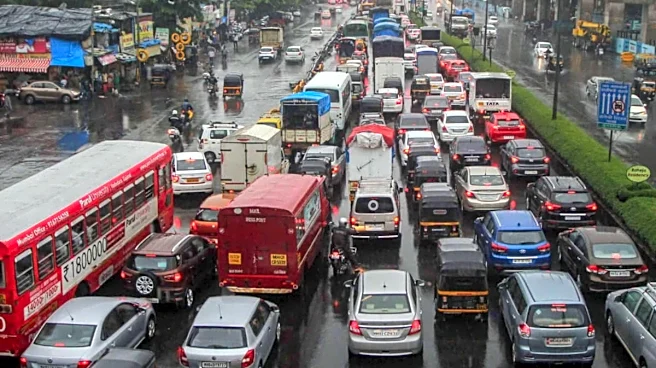
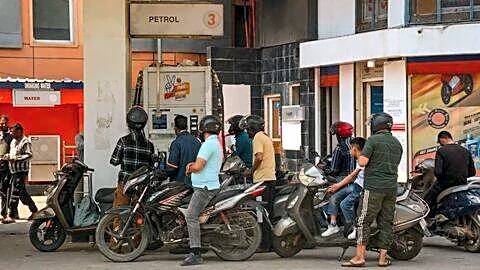
Nissan is also watching whether the impact of oil prices on customer purchases is "a bubble or a trend."
The company has the technology to meet EV requirements, he said, pointing to its clear direction in Europe, where the deadline is 2035, and the UK, where it is 2030. Nissan was among the first global automakers to produce an EV, he said, but that product was "way too ahead of its time."
The lesson has shaped its India approach.
"We are here to make sure we remain relevant," he said. "We are going to bring EVs to India as needed, as the market keeps demanding them."
On E20: 'Policies moving quickly, we will adjust'
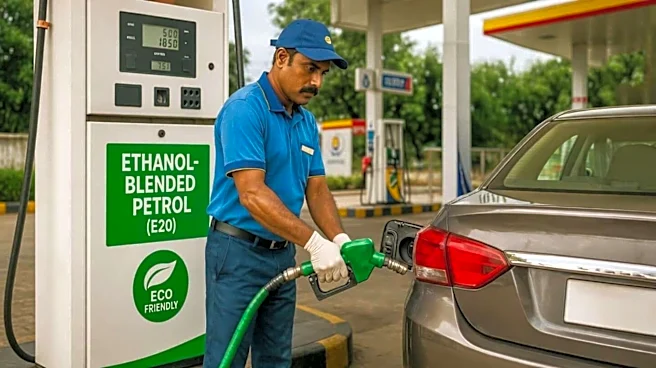
On India's ethanol blending debate, which has moved from E20 towards E27, Messina said policies are "moving and evolving quite quickly" and Nissan will keep adjusting its product offerings as the picture becomes clearer.
The company wants to preserve the driving experience, performance and fuel economy of its vehicles, he said.
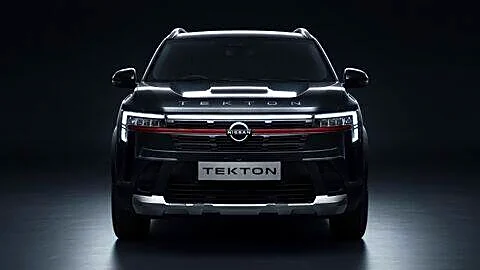
He flagged that carmakers need policy visibility well in advance. The Tekton, launched on Thursday, took four years to bring to market.
"To make this planning happen in a good way, we need to secure, ahead of schedule, how this is going to develop over the coming years," he said.
'Nothing below 2% market share acceptable'
Messina set an aggressive target for the India business.
"Nothing below 2% market share will be acceptable," he said.
Nissan's market share stood at 0.8% last year and has risen to 1.1% following its recent launch. He declined to disclose the internal target set for his team but said the company "should be able to do at least 2%."
Nissan expects sales of more than 1 lakh units from India, he said.
The lineup will grow from one vehicle to four. Nissan is launching two cars, with a third in the pipeline and "probably something else coming right after," he said.
"We are here to stay, and we are going to keep expanding our lineup."
700 million euros, restructuring notwithstanding
Amid Nissan's global restructuring, Messina said the company's commitment to India remains intact.
The company has invested 700 million euros in the Tekton programme jointly with its alliance partner.
"If India was not a relevant market for us, we would not be investing 700 million euros," he said.
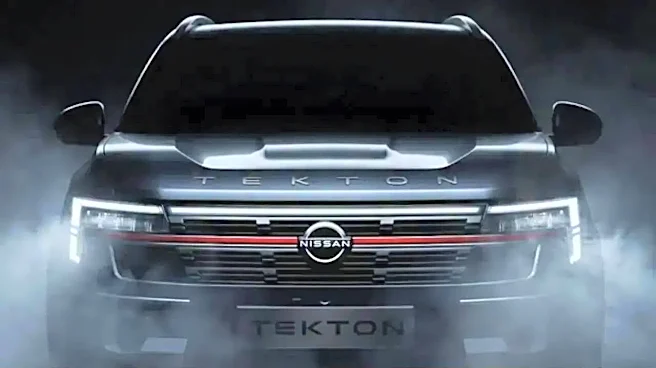
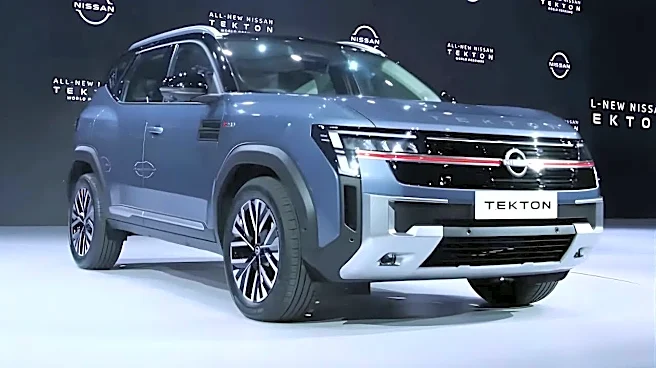
Nissan launched the Tekton on Thursday at ₹10.49 lakh, going up to ₹18.59 lakh (ex-showroom), across 12 variants. The SUV takes on the Hyundai Creta and Kia Seltos, as well as its alliance sibling, the Renault Duster, with which it shares a platform and the Chennai plant.
On the overlap with the Duster, Messina said the Tekton's design sets it apart.
"It is difficult to mistake this car for any other car," he said. "We respect everybody, but I think our fantastic product stands out."
"We are ready," he said, calling an EV for India "a must," though he stopped short of committing to a timeline. "I don't want to bring a car too soon, nor too late."
The timing hinges on the newly issued CAFE norms.
"We need to understand the CAFE policy, which was just issued. Our team and I are looking at it to understand what it really means for us," Messina said.
Nissan is also watching whether the impact of oil prices on customer purchases is "a bubble or a trend."
The company has the technology to meet EV requirements, he said, pointing to its clear direction in Europe, where the deadline is 2035, and the UK, where it is 2030. Nissan was among the first global automakers to produce an EV, he said, but that product was "way too ahead of its time."
The lesson has shaped its India approach.
"We are here to make sure we remain relevant," he said. "We are going to bring EVs to India as needed, as the market keeps demanding them."
On E20: 'Policies moving quickly, we will adjust'
On India's ethanol blending debate, which has moved from E20 towards E27, Messina said policies are "moving and evolving quite quickly" and Nissan will keep adjusting its product offerings as the picture becomes clearer.
The company wants to preserve the driving experience, performance and fuel economy of its vehicles, he said.
He flagged that carmakers need policy visibility well in advance. The Tekton, launched on Thursday, took four years to bring to market.
"To make this planning happen in a good way, we need to secure, ahead of schedule, how this is going to develop over the coming years," he said.
'Nothing below 2% market share acceptable'
Messina set an aggressive target for the India business.
"Nothing below 2% market share will be acceptable," he said.
Nissan's market share stood at 0.8% last year and has risen to 1.1% following its recent launch. He declined to disclose the internal target set for his team but said the company "should be able to do at least 2%."
Nissan expects sales of more than 1 lakh units from India, he said.
The lineup will grow from one vehicle to four. Nissan is launching two cars, with a third in the pipeline and "probably something else coming right after," he said.
"We are here to stay, and we are going to keep expanding our lineup."
700 million euros, restructuring notwithstanding
Amid Nissan's global restructuring, Messina said the company's commitment to India remains intact.
The company has invested 700 million euros in the Tekton programme jointly with its alliance partner.
"If India was not a relevant market for us, we would not be investing 700 million euros," he said.
Nissan launched the Tekton on Thursday at ₹10.49 lakh, going up to ₹18.59 lakh (ex-showroom), across 12 variants. The SUV takes on the Hyundai Creta and Kia Seltos, as well as its alliance sibling, the Renault Duster, with which it shares a platform and the Chennai plant.
On the overlap with the Duster, Messina said the Tekton's design sets it apart.
"It is difficult to mistake this car for any other car," he said. "We respect everybody, but I think our fantastic product stands out."

/images/ppid_59c68470-image-178352503063028990.webp)
/images/ppid_59c68470-image-178359005281513341.webp)