/images/ppid_59c68470-image-176632752729827618.webp)

The store is not owned or operated by Instamart. Instead, it is seller-owned and seller-operated, with Instamart providing branding and services. All sales made at the store accrue directly to the seller, not to Instamart, according to sources familiar with the development.
The pilot marks Instamart’s first foray into a physical format, but sources say it is not a move into omnichannel retail, but a focused experiment, rather than a strategic shift by Swiggy’s quick-commerce arm towards traditional offline retail.
The experiential store is under 1,000 square feet in size, significantly smaller than Instamart’s dark stores, which typically range between 2,500 and 4,000 square feet, and its larger “megapod” formats that can go up to 8,000 square feet.
The offline store stocks only a few hundred SKUs, compared with nearly 40,000 SKUs typically housed in a dark store.
Products available at the store span select categories where consumers often prefer to see or feel items before purchasing. These include fresh fruits and vegetables, pulses, and products from new direct-to-consumer (D2C) brands, the sources said.
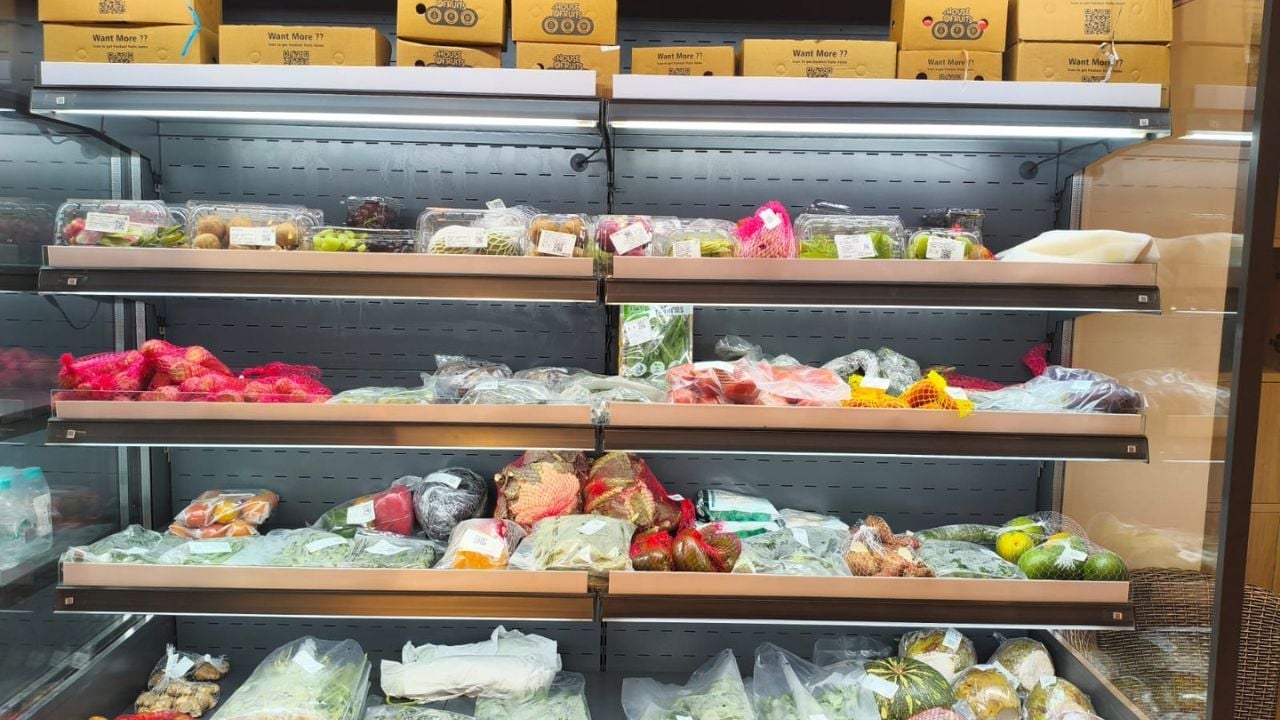
While only one store has opened currently, the plan is to position such stores around residential societies as discovery and experience-led formats rather than full-fledged retail outlets. However, no expansion plan has been charted out for the same.
The experiment has come on the back of sellers wanting to experiment with this format under Instamart’s branding, particularly for categories where physical touch can influence buying decisions.
This also comes close on the heels of Swiggy raising ₹1000 crore via QIP, largely to be spent on its quick commerce business as competition continues to intensify.
Swiggy did not comment on the development.
/images/ppid_59c68470-image-177092011588535423.webp)
![[WATCH] Jos Buttler breaks Guinness World Record for highest-ever cricket catch](https://glance-mob.glance-cdn.com/public/cardpress/binge-magazine-card-generation/spaces/IN/en/crictracker-spaces/images/ppid_49c02804-image-177092006205765253.webp)

/images/ppid_59c68470-image-177092006686738166.webp)
/images/ppid_59c68470-image-177092003360093891.webp)
/images/ppid_a911dc6a-image-177091964365144869.webp)

/images/ppid_a911dc6a-image-177091953657588289.webp)
/images/ppid_a911dc6a-image-177091957870770440.webp)