/images/ppid_59c68470-image-177943764696919945.webp)

/images/ppid_59c68470-image-177919757951899989.webp)

/images/ppid_59c68470-image-17793875314625896.webp)
What is the story about?
Aditya Bhave, Head of US Economist at BofA Global Research, says the US central bank is confronting a macro environment unlike anything it has faced before: energy shocks, immigration-driven labour constraints, unresolved tariffs, fiscal stimulus, and an AI investment boom — all landing at once.
The policy dilemma is stark. "The Fed still doesn't know, doesn't have conviction on whether this is stagflation or reflation, and the policy responses to those are obviously different," Bhave said. "So, for now, they just wait and see."
For markets, the wait carries its own risks. BofA's rates strategists see the US 10-year yield holding near 4.25% — but Bhave is clear the skew is to the upside, driven by a structural repricing of neutral rates that the Fed itself may be underestimating.
And with a new chair stepping into a world dramatically different from the one he was nominated into, Bhave thinks the first press conference could be the most consequential Fed communication in years.
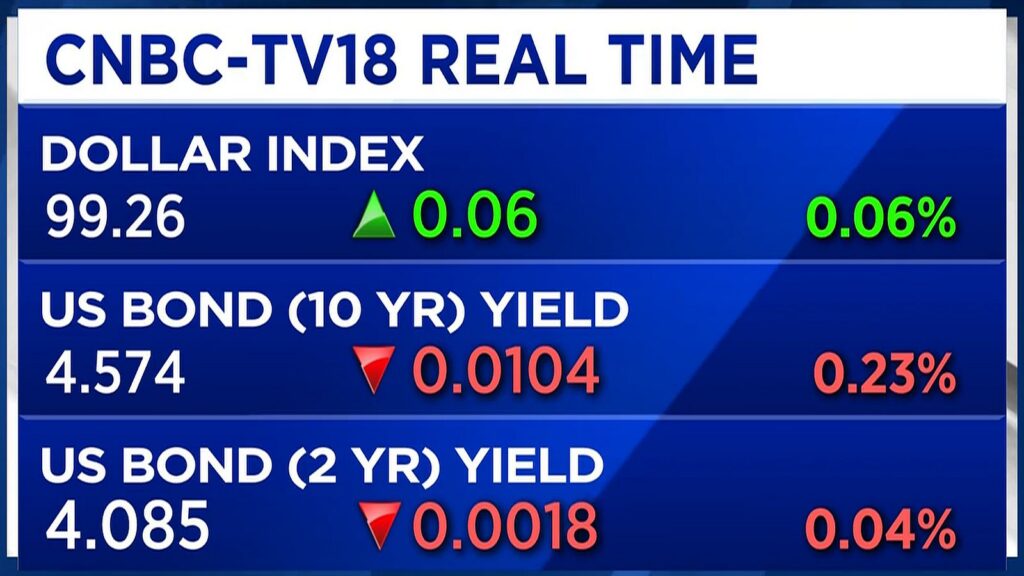 This is an edited transcript of the interview.Q: Bond yields moved sharply earlier this week. The consensus says the energy shock driving inflation is temporary — but markets seem to be repricing higher anyway. Is this sustainable, and what's leading it?
A: It's a combination of factors. The first, obviously, is the energy shock and its expected impact on inflation — both headline, which will presumably be less sticky but larger, and core, where the impact could come with a lag and be smaller, but those kinds of shocks can be sticky sometimes. But it's also broader concerns around deficits across developed markets (DM). There's a demographic problem across developing DM, across the world, and that's bad for deficits, and there are no clear solutions right now. So, two factors are driving the front end and the back end of global rates, respectively.
Q: Where does BofA see US 10-year and 30-year yields heading by the end of 2026?
A: The house view from our rates strategists is that the 10-year will stay around 4.25% essentially for the next couple of years. The risk to that, especially in recent weeks, is to the upside. It depends on several factors — how we think about long-term inflation expectations, for one. I think long-term expectations have remained relatively anchored, probably because there's an underlying faith in markets that, regardless of what's happening in West Asia right now, a few years down the line, the big story is going to be the productivity boom from AI, and that's going to be disinflationary.
Also Read | William Lee sees Fed staying on hold as inflation, Iran tensions persist
What's happening right now is a re-rating of neutral rates. Is it the case that the neutral rate in the US isn't 3% as the Fed has been saying, but rather 3.5% or 4%? We are quite sympathetic to that view. If your real rate moves up to, let's call it 1.5–2%, then that's going to push up long-term yields.
Q: What does the Fed do in response?
A: We think the Fed sits on its hands for as long as it possibly can, until its hands are really forced by the data. The challenge for the Fed right now is that the breadth of shocks the US economy is facing is truly unprecedented. On the supply side, you are dealing with the conflict in West Asia, the labour supply story from changes in immigration policy, tariffs that are still not fully resolved, and also a positive supply shock in the pipeline from AI adoption. On the demand side, fiscal stimulus is working its way through, and you have the AI investment boom.
If you look at the recent data, they have been quite resilient. Markets have moved from a narrative of stagflation to one of reflation — more of a demand-boom story, consistent with what you are seeing in corporate earnings and consumer spending. But we knew we'd get some strength from fiscal stimulus, so the true test of the economy's resilience is still down the line. It may be more of a story for late spring or even summer, maybe early fall — these shocks tend to work their way through consumer spending slowly.
The Fed still doesn't know — doesn't have conviction on — whether this is stagflation or reflation, and the policy responses to those are obviously very different. So, for now, they just wait and see.
Watch the full conversation hereQ: The new Fed chair takes over soon. Which asset class does the transition show up in first, and in the most pronounced way?
A: His recent comments have been very dovish, which is interesting — historically, he's been quite a staunch inflation hawk. But of late, he's made the case that the Fed should be cutting rates, that perhaps it's overreacting to the error it made in 2021–22 when it was slow to raise rates. He's also said the Fed should look ahead to the productivity shock from AI — which is presumably disinflationary — and begin accommodating that by cutting now.
These arguments have gotten a lot more challenging given the increase in inflation. I think the rest of the committee has no appetite to cut rates right now. Even if the new chair wants to cut, the environment has changed dramatically since his nomination. The 10-year is up 30 to 40 basis points. The 2-year is up more than 50 basis points. We have gone from pricing cuts to pricing hikes. The world he last spoke into — really, before his nomination — is very different from the one he inherits.
Also Read | Bond market may force the Fed to turn hawkish again: Ed Yardeni
I think his first speech is going to be a big market mover, because we're all waiting to learn from him what he wants to do now. The other thing worth mentioning is his views on the balance sheet — he wants to reduce it, though he acknowledges that it will be challenging and contingent on liquidity deregulations. He's also said he wants to shift the composition of the balance sheet toward treasury bills, moving the Fed out of longer-end instruments. There's actually a good amount of support on the committee for that.
Catch all the latest updates from the stock market here
The policy dilemma is stark. "The Fed still doesn't know, doesn't have conviction on whether this is stagflation or reflation, and the policy responses to those are obviously different," Bhave said. "So, for now, they just wait and see."
For markets, the wait carries its own risks. BofA's rates strategists see the US 10-year yield holding near 4.25% — but Bhave is clear the skew is to the upside, driven by a structural repricing of neutral rates that the Fed itself may be underestimating.
And with a new chair stepping into a world dramatically different from the one he was nominated into, Bhave thinks the first press conference could be the most consequential Fed communication in years.
This is an edited transcript of the interview.Q: Bond yields moved sharply earlier this week. The consensus says the energy shock driving inflation is temporary — but markets seem to be repricing higher anyway. Is this sustainable, and what's leading it?
A: It's a combination of factors. The first, obviously, is the energy shock and its expected impact on inflation — both headline, which will presumably be less sticky but larger, and core, where the impact could come with a lag and be smaller, but those kinds of shocks can be sticky sometimes. But it's also broader concerns around deficits across developed markets (DM). There's a demographic problem across developing DM, across the world, and that's bad for deficits, and there are no clear solutions right now. So, two factors are driving the front end and the back end of global rates, respectively.
Q: Where does BofA see US 10-year and 30-year yields heading by the end of 2026?
A: The house view from our rates strategists is that the 10-year will stay around 4.25% essentially for the next couple of years. The risk to that, especially in recent weeks, is to the upside. It depends on several factors — how we think about long-term inflation expectations, for one. I think long-term expectations have remained relatively anchored, probably because there's an underlying faith in markets that, regardless of what's happening in West Asia right now, a few years down the line, the big story is going to be the productivity boom from AI, and that's going to be disinflationary.
Also Read | William Lee sees Fed staying on hold as inflation, Iran tensions persist
What's happening right now is a re-rating of neutral rates. Is it the case that the neutral rate in the US isn't 3% as the Fed has been saying, but rather 3.5% or 4%? We are quite sympathetic to that view. If your real rate moves up to, let's call it 1.5–2%, then that's going to push up long-term yields.
Q: What does the Fed do in response?
A: We think the Fed sits on its hands for as long as it possibly can, until its hands are really forced by the data. The challenge for the Fed right now is that the breadth of shocks the US economy is facing is truly unprecedented. On the supply side, you are dealing with the conflict in West Asia, the labour supply story from changes in immigration policy, tariffs that are still not fully resolved, and also a positive supply shock in the pipeline from AI adoption. On the demand side, fiscal stimulus is working its way through, and you have the AI investment boom.
If you look at the recent data, they have been quite resilient. Markets have moved from a narrative of stagflation to one of reflation — more of a demand-boom story, consistent with what you are seeing in corporate earnings and consumer spending. But we knew we'd get some strength from fiscal stimulus, so the true test of the economy's resilience is still down the line. It may be more of a story for late spring or even summer, maybe early fall — these shocks tend to work their way through consumer spending slowly.
The Fed still doesn't know — doesn't have conviction on — whether this is stagflation or reflation, and the policy responses to those are obviously very different. So, for now, they just wait and see.
Watch the full conversation hereQ: The new Fed chair takes over soon. Which asset class does the transition show up in first, and in the most pronounced way?
A: His recent comments have been very dovish, which is interesting — historically, he's been quite a staunch inflation hawk. But of late, he's made the case that the Fed should be cutting rates, that perhaps it's overreacting to the error it made in 2021–22 when it was slow to raise rates. He's also said the Fed should look ahead to the productivity shock from AI — which is presumably disinflationary — and begin accommodating that by cutting now.
These arguments have gotten a lot more challenging given the increase in inflation. I think the rest of the committee has no appetite to cut rates right now. Even if the new chair wants to cut, the environment has changed dramatically since his nomination. The 10-year is up 30 to 40 basis points. The 2-year is up more than 50 basis points. We have gone from pricing cuts to pricing hikes. The world he last spoke into — really, before his nomination — is very different from the one he inherits.
Also Read | Bond market may force the Fed to turn hawkish again: Ed Yardeni
I think his first speech is going to be a big market mover, because we're all waiting to learn from him what he wants to do now. The other thing worth mentioning is his views on the balance sheet — he wants to reduce it, though he acknowledges that it will be challenging and contingent on liquidity deregulations. He's also said he wants to shift the composition of the balance sheet toward treasury bills, moving the Fed out of longer-end instruments. There's actually a good amount of support on the committee for that.
Catch all the latest updates from the stock market here
/images/ppid_59c68470-image-177933262778456994.webp)
/images/ppid_59c68470-image-177933010605812664.webp)
/images/ppid_59c68470-image-17793450464704087.webp)
/images/ppid_59c68470-image-17792900294219212.webp)
/images/ppid_59c68470-image-177941502578447933.webp)


/images/ppid_59c68470-image-177920260359739918.webp)
/images/ppid_59c68470-image-177925252148696610.webp)
/images/ppid_59c68470-image-177924003396674826.webp)