/images/ppid_59c68470-image-177796529823083181.webp)



What is the story about?
Ben Powell, Chief APAC & Middle East Investment Strategist at BlackRock Investment Institute, believes global markets are being shaped by powerful cross-currents — a geopolitical supply shock alongside a historic artificial intelligence (AI) driven bull run. While risks remain elevated, he sees this as a structurally transformative period for investing.
He expects a shift toward more selective, active strategies, with opportunities emerging at sector and stock levels. Powell also sees India as a long-term beneficiary of AI adoption, positioning it to gain as technology diffuses beyond early leaders.
Watch the full conversation here or scroll for edited excerpts.These are edited excerpts from the interview.Q: You earlier said the conflict was not close to ending. What’s your sense now?
A: We are still not on an off-ramp. There are tentative negotiations, but it remains highly complex. At best, we are in a “hostile peace.” While there was some emphasis on peace recently, developments in the last 24 hours suggest otherwise. Energy is still not flowing through the Strait of Hormuz — that’s a key concern for the global economy.
Q: How do you assess the economic impact and investment approach amid this disruption?
A: This is a classic stagflationary shock — slower growth and higher inflation. Policymakers face a dilemma: cut rates to support growth or hike to control inflation. In the near term, inflation will likely take priority.
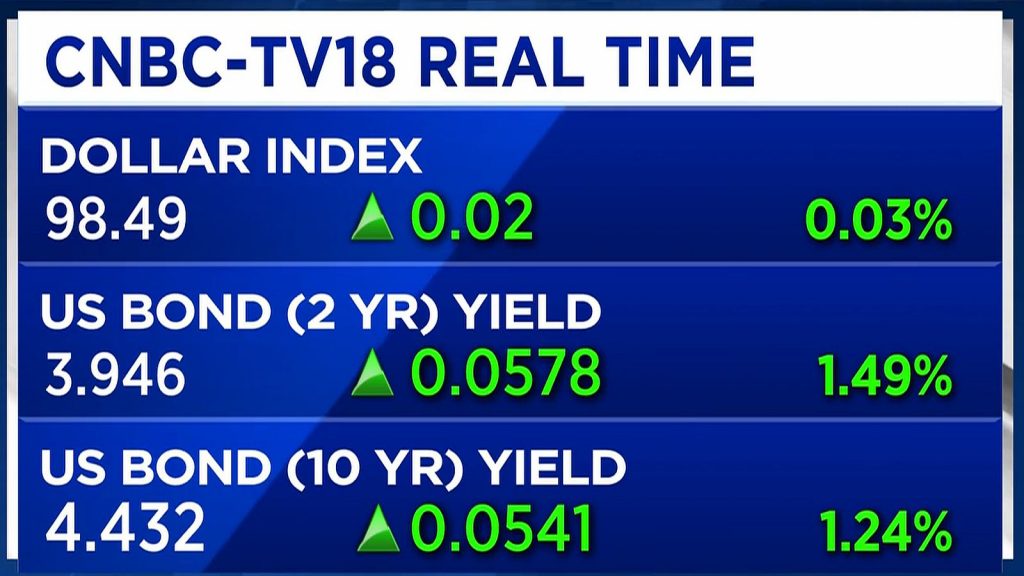
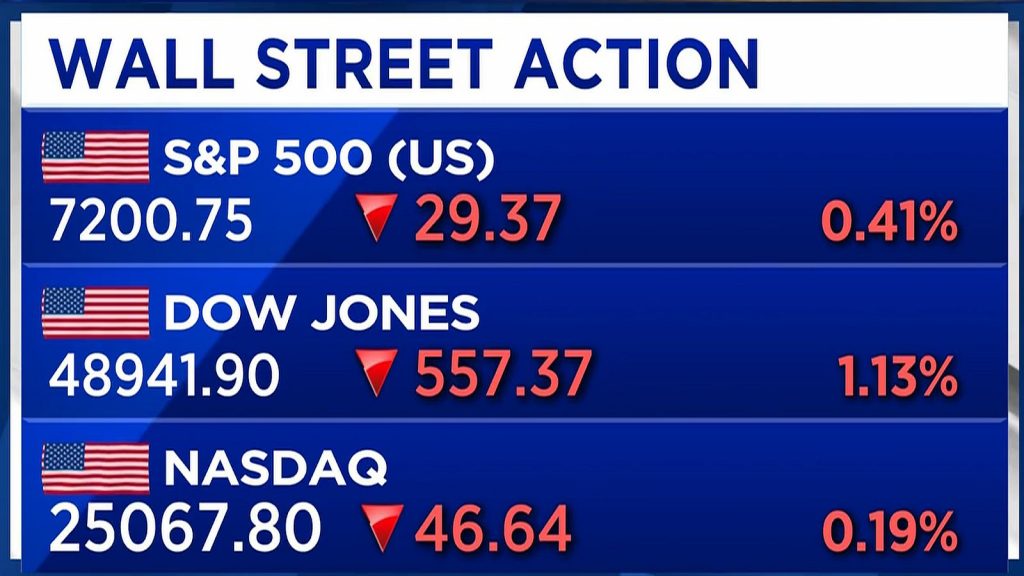
What’s striking is that despite a major global supply shock — affecting energy, fertilisers, semiconductors and more — equity markets are near all-time highs globally, including in emerging markets. That’s unusual given the scale of uncertainty.
Q: How do you view India in this global context, especially with AI-driven markets elsewhere?
A: India hasn’t done anything wrong. Earlier, valuations were a bit lofty. Global investors shifted toward AI-heavy markets like Korea and Taiwan, not as a negative on India, but for better short-term returns.
Also Read | Motilal Oswal targets 25% profit growth as retail flows support markets: Raamdeo Agrawal
Over time, AI will diffuse across economies. The opportunity will shift from creators to adopters. India has strong potential to benefit if it adopts AI effectively across businesses and individuals.
Q: What is your current approach to equity markets and emerging markets like India?
A: We are in a global bull market driven by AI — that’s the big picture. But there are strong cross-currents: geopolitical risks alongside technological tailwinds.
This is a time to be selective and active. In India, sector-specific opportunities exist — such as financials and cement. If clarity emerges on the energy situation, India could be part of the global recovery trade. Even now, opportunities exist at a sector and stock level.
Also Read | Global markets turn selective as AI, oil and capital flows drive divergence: Manulife Investments
Going forward, investing will increasingly require a micro, selective approach — and that’s a structural shift, not just a short-term one.
Catch all the latest updates from the stock market here
He expects a shift toward more selective, active strategies, with opportunities emerging at sector and stock levels. Powell also sees India as a long-term beneficiary of AI adoption, positioning it to gain as technology diffuses beyond early leaders.
Watch the full conversation here or scroll for edited excerpts.These are edited excerpts from the interview.Q: You earlier said the conflict was not close to ending. What’s your sense now?
A: We are still not on an off-ramp. There are tentative negotiations, but it remains highly complex. At best, we are in a “hostile peace.” While there was some emphasis on peace recently, developments in the last 24 hours suggest otherwise. Energy is still not flowing through the Strait of Hormuz — that’s a key concern for the global economy.
Q: How do you assess the economic impact and investment approach amid this disruption?
A: This is a classic stagflationary shock — slower growth and higher inflation. Policymakers face a dilemma: cut rates to support growth or hike to control inflation. In the near term, inflation will likely take priority.
What’s striking is that despite a major global supply shock — affecting energy, fertilisers, semiconductors and more — equity markets are near all-time highs globally, including in emerging markets. That’s unusual given the scale of uncertainty.
Q: How do you view India in this global context, especially with AI-driven markets elsewhere?
A: India hasn’t done anything wrong. Earlier, valuations were a bit lofty. Global investors shifted toward AI-heavy markets like Korea and Taiwan, not as a negative on India, but for better short-term returns.
Also Read | Motilal Oswal targets 25% profit growth as retail flows support markets: Raamdeo Agrawal
Over time, AI will diffuse across economies. The opportunity will shift from creators to adopters. India has strong potential to benefit if it adopts AI effectively across businesses and individuals.
Q: What is your current approach to equity markets and emerging markets like India?
A: We are in a global bull market driven by AI — that’s the big picture. But there are strong cross-currents: geopolitical risks alongside technological tailwinds.
This is a time to be selective and active. In India, sector-specific opportunities exist — such as financials and cement. If clarity emerges on the energy situation, India could be part of the global recovery trade. Even now, opportunities exist at a sector and stock level.
Also Read | Global markets turn selective as AI, oil and capital flows drive divergence: Manulife Investments
Going forward, investing will increasingly require a micro, selective approach — and that’s a structural shift, not just a short-term one.
Catch all the latest updates from the stock market here



/images/ppid_59c68470-image-17779654299072684.webp)
/images/ppid_59c68470-image-177796562794266658.webp)
/images/ppid_a911dc6a-image-177795803091596570.webp)



/images/ppid_a911dc6a-image-17779476697028171.webp)