/images/ppid_59c68470-image-177866253441361014.webp)

/images/ppid_a911dc6a-image-177872502931610304.webp)
What is the story about?
The crisis in the narrow Strait of Hormuz is refusing to subside as the two belligerents, the US and Iran, cannot seem to find a resolution to the crisis in the Persian Gulf.
One of the biggest casualties of this war has been the global energy supply, which has been hit hard.
Reiterating the crisis, which only brews more acuteness, the International Energy Agency (IEA) said it expects the total world oil supply to be 1.78 million bpd lower than demand in 2026 in the monthly report, against 0.41 million bpd higher in the previous report.
The agency also said that the global oil supply will fall by 3.9 million bpd in 2026, assuming Strait of Hormuz flows gradually resume from June, against the previous forecast of a 1.5 million bpd fall.
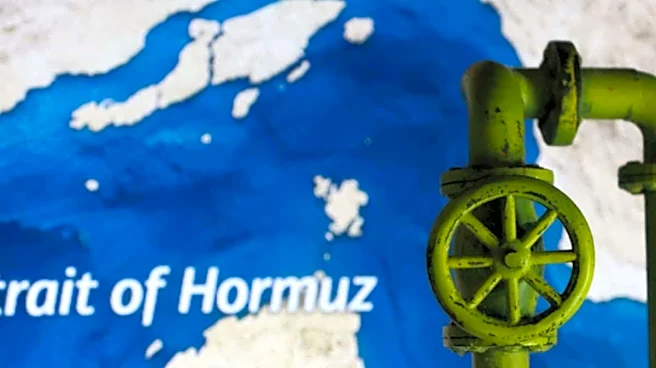
The Strait of Hormuz corridor is crucial, as nearly 20% of all oil transported passes through this narrow waterway. This, of course, was the case before the beginning of the US-Israeli war on Iran on February 28.
As per reports, owing to the conflict, the world oil demand has fallen by 420,000 bpd in 2026 on the Iran war (prev. forecast 80,000 bpd drop).
Total global supply loss from the Hormuz closure is 12.8 million bpd since February.
The picture looks a lot different now, as passage has not only taken a major hit, but the status of the Strait and its character have changed, with Iran reiterating its intention to levy some form of toll for usage of the passage.
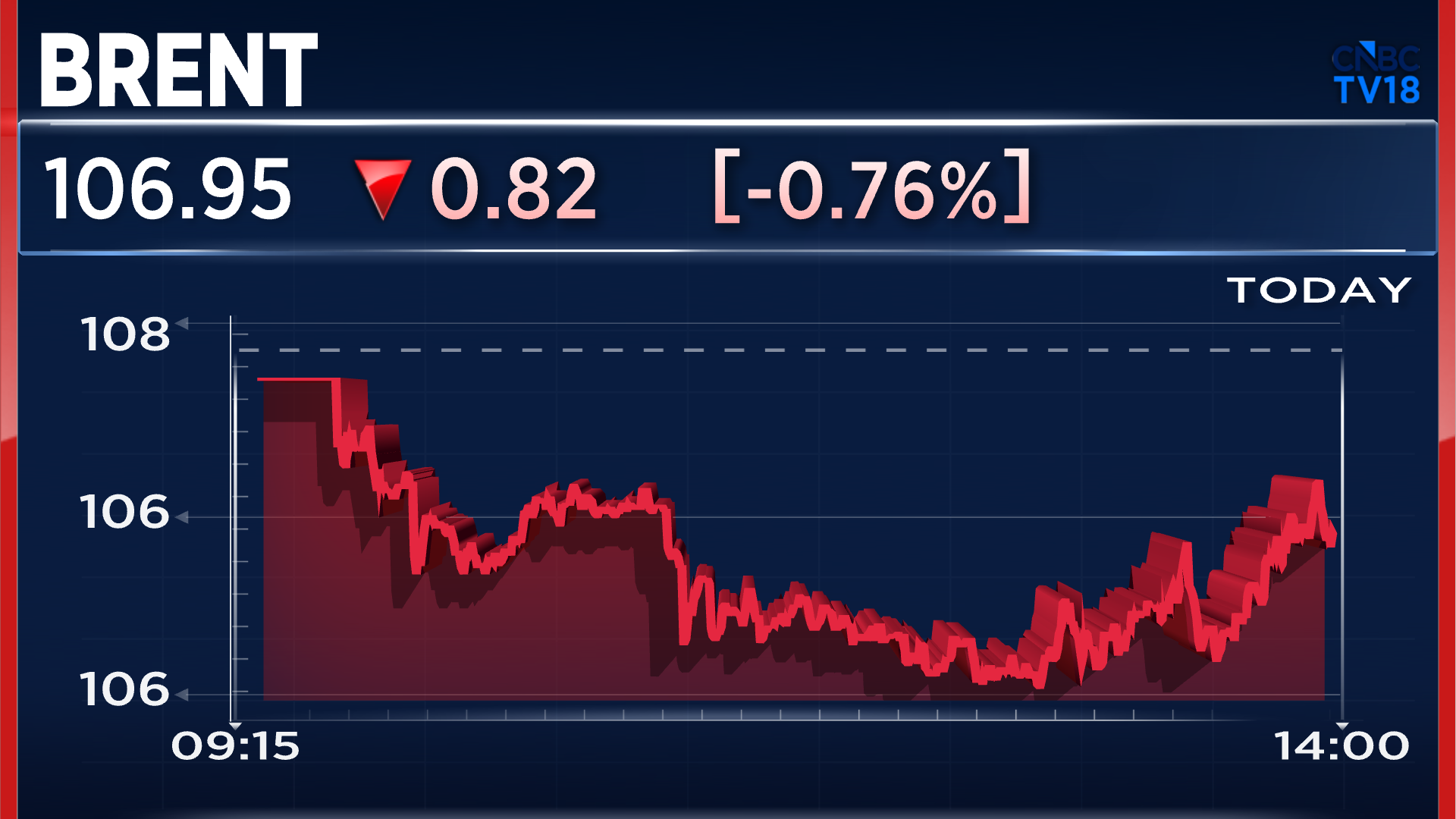
The price of Brent Crude currently stands at 106.95.
Also Read: Ceigall India shares gain on selection for ₹250 crore Punjab battery storage project
One of the biggest casualties of this war has been the global energy supply, which has been hit hard.
Reiterating the crisis, which only brews more acuteness, the International Energy Agency (IEA) said it expects the total world oil supply to be 1.78 million bpd lower than demand in 2026 in the monthly report, against 0.41 million bpd higher in the previous report.
The agency also said that the global oil supply will fall by 3.9 million bpd in 2026, assuming Strait of Hormuz flows gradually resume from June, against the previous forecast of a 1.5 million bpd fall.
The Strait of Hormuz corridor is crucial, as nearly 20% of all oil transported passes through this narrow waterway. This, of course, was the case before the beginning of the US-Israeli war on Iran on February 28.
As per reports, owing to the conflict, the world oil demand has fallen by 420,000 bpd in 2026 on the Iran war (prev. forecast 80,000 bpd drop).
Total global supply loss from the Hormuz closure is 12.8 million bpd since February.
The picture looks a lot different now, as passage has not only taken a major hit, but the status of the Strait and its character have changed, with Iran reiterating its intention to levy some form of toll for usage of the passage.
The price of Brent Crude currently stands at 106.95.
Also Read: Ceigall India shares gain on selection for ₹250 crore Punjab battery storage project

/images/ppid_59c68470-image-177880757109465136.webp)
/images/ppid_59c68470-image-177872253423222771.webp)

/images/ppid_a911dc6a-image-177881869827450930.webp)

/images/ppid_59c68470-image-177864253066834140.webp)
/images/ppid_59c68470-image-177863507109229886.webp)