/images/ppid_59c68470-image-17751100262424404.webp)


/images/ppid_59c68470-image-177485253581597805.webp)
/images/ppid_a911dc6a-image-177488746677258754.webp)
What is the story about?
The Nifty Pharma index declined 3.5% on Thursday, April 2, tracking a sharp sell-off in frontline stocks. Shares of Sun Pharmaceutical Industries fell 6% following reports that the Trump administration may impose tariffs on drugmakers. Other pharma stocks also traded lower in tandem with India's largest drugmaker.
A Bloomberg report indicated that the Trump administration is planning tariffs on pharmaceutical companies that have not entered into agreements to ensure lower drug prices in the US.
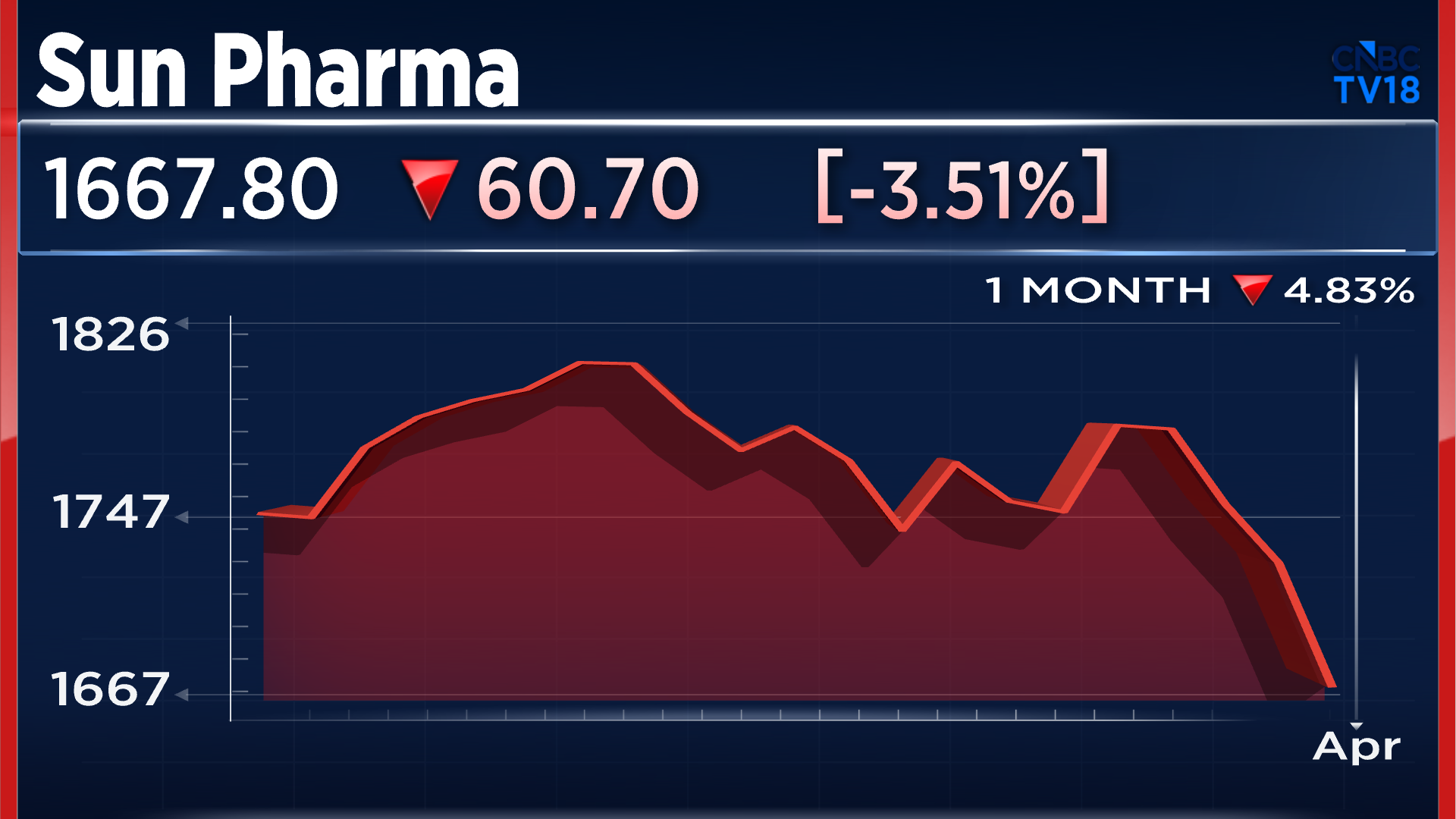
The report added that the administration has been considering tariffs of up to 100% on imported branded and patented medicines. Companies that have committed to pricing deals or aligned with the proposed TrumpRx.gov platform have so far avoided such tariffs.
Several global pharmaceutical companies have already struck agreements with the US government.
Pfizer secured a three-year moratorium on tariffs in September 2025, while AstraZeneca entered into a Most Favoured Nation pricing agreement in October. Roche followed with a deal in December to reduce prices in exchange for a three-year waiver.
Other companies that have reached similar agreements include Novartis, Eli Lilly, Johnson & Johnson, Merck, Novo Nordisk and GSK.
Analysts said that the proposed tariffs are not aimed at generic drug manufacturers. However, Sun Pharma, given its relatively higher exposure to branded drugs, may need to explore incremental measures such as pricing agreements, manufacturing investments in the US, or participation in the TrumpRx.gov platform.
Sun Pharma has the highest exposure to branded pharmaceuticals among Indian peers. Its US sales rose 5.8% in FY25 to ₹16,200 crore, accounting for 31% of consolidated revenue, driven by growth in its specialty portfolio.
Global specialty revenue increased 17.1% to $1.2 billion, while the share of innovative medicines in overall revenue rose to 20% in FY25 from 18% in FY24.
A Bloomberg report indicated that the Trump administration is planning tariffs on pharmaceutical companies that have not entered into agreements to ensure lower drug prices in the US.
The report added that the administration has been considering tariffs of up to 100% on imported branded and patented medicines. Companies that have committed to pricing deals or aligned with the proposed TrumpRx.gov platform have so far avoided such tariffs.
Several global pharmaceutical companies have already struck agreements with the US government.
Pfizer secured a three-year moratorium on tariffs in September 2025, while AstraZeneca entered into a Most Favoured Nation pricing agreement in October. Roche followed with a deal in December to reduce prices in exchange for a three-year waiver.
Other companies that have reached similar agreements include Novartis, Eli Lilly, Johnson & Johnson, Merck, Novo Nordisk and GSK.
Analysts said that the proposed tariffs are not aimed at generic drug manufacturers. However, Sun Pharma, given its relatively higher exposure to branded drugs, may need to explore incremental measures such as pricing agreements, manufacturing investments in the US, or participation in the TrumpRx.gov platform.
Sun Pharma has the highest exposure to branded pharmaceuticals among Indian peers. Its US sales rose 5.8% in FY25 to ₹16,200 crore, accounting for 31% of consolidated revenue, driven by growth in its specialty portfolio.
Global specialty revenue increased 17.1% to $1.2 billion, while the share of innovative medicines in overall revenue rose to 20% in FY25 from 18% in FY24.
/images/ppid_59c68470-image-177510752948990572.webp)
/images/ppid_59c68470-image-177509761267668618.webp)
/images/ppid_59c68470-image-177510753113526498.webp)
/images/ppid_59c68470-image-177488004102330643.webp)
/images/ppid_59c68470-image-177489005195111606.webp)
/images/ppid_59c68470-image-177501012065149305.webp)


/images/ppid_59c68470-image-177506253232687001.webp)
/images/ppid_59c68470-image-177502253076831764.webp)