/images/ppid_59c68470-image-178530505278396166.webp)


/images/ppid_59c68470-image-178529753054425786.webp)
/images/ppid_59c68470-image-178524005594570834.webp)
What is the story about?
India has seen its first foreign inflows in months as global investors search for value across emerging markets, according to EPFR Global.
"It was a small inflow, but it was an inflow. It was under $100 million last week, but that was the first in a while and the biggest since, I think, mid-March," Cameron Brandt, Director of Research at EPFR Global, told CNBC-TV18. He added that the inflows seem to be pesisting this week.
While the AI theme remains intact, investors are increasingly treating recent market corrections as buying opportunities rather than reasons to exit. Flows into South Korea have slowed sharply, though they remain positive, as investors become more cautious about leverage. Meanwhile, value buying has picked up in India and parts of Latin America.
Brandt also noted renewed interest in gold and inflation-protected assets, suggesting investors remain concerned that the fight against inflation is far from over.
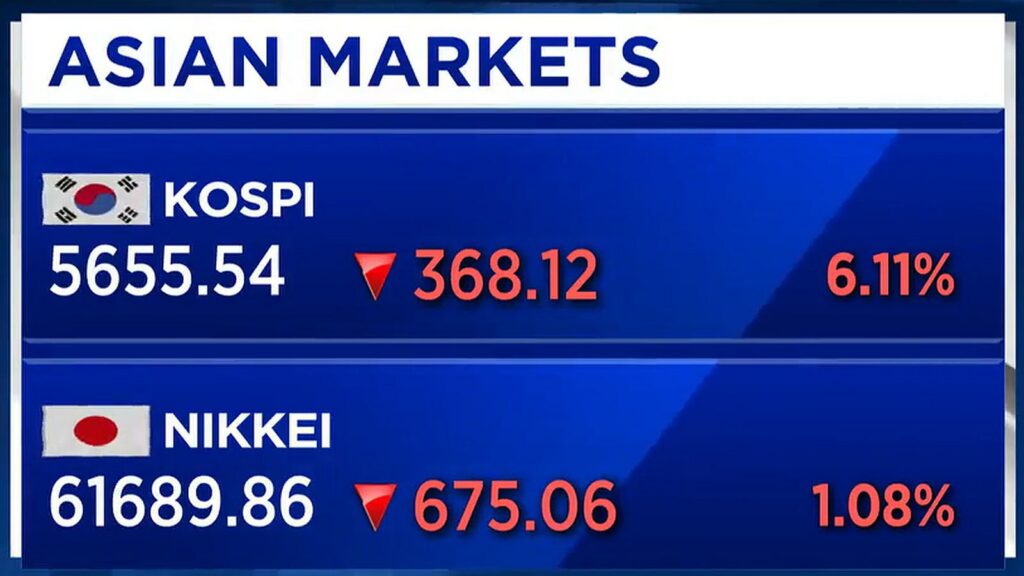 This is an edited transcript of the interview.Q: The price action suggests the AI trade is cooling a bit. But in terms of flows, have we seen outflows from AI-heavy markets like South Korea and Taiwan? Since the Kospi peaked in mid-June, what has happened to flows and where is money rotating now?
A: We are still seeing a pattern where, frankly, the sell-offs are being treated more as entry points than as exit cues. We have seen flows into dedicated Korea funds moderate, but they have not turned negative.
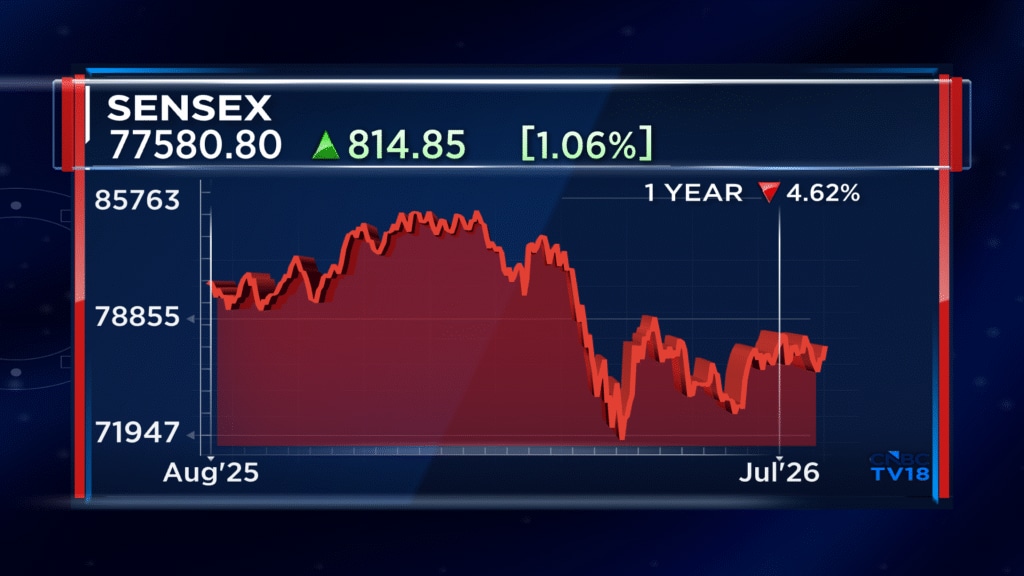
What we have seen over the last couple of weeks is a search for value within the emerging markets universe, and that has taken investors towards India. We saw the first foreign inflows into India in some time. Investors also gave Latin America another look last week.
Among the Asian markets, Korea is perhaps the most vulnerable because a lot of the recent surge was increasingly driven by borrowed money. Investors are definitely more cautious there.
Q: What kind of inflows are India-dedicated funds seeing?
A: It was a small inflow, but it was an inflow. It was under $100 million last week, but that was the first in a while and the biggest since, I think, mid-March.
So, it was definitely a positive development, and those inflows seem to be persisting this week, although we will know more towards the end of the week.
 Q: What is the overall number for Korea now? Even after the recent correction, the market is still up sharply this year. There was also talk that foreign investors had sold around $75 billion, with much of the selling being technical because investors had hit single-stock limits. What's the latest picture?
A: In terms of weekly flows, they have dropped from a fairly reliable $3-4 billion a week to around $500 million-$1 billion. They are still positive.
Domestic support is holding up, certainly through the fund lens, and, as you mentioned, there is a good deal of technical correction here. There are still plenty of believers in the AI story, but there was a bit too much leverage for both regulatory and broader market comfort.
Q: So, the intensity of inflows into markets like South Korea has come down sharply—from $3-4 billion a week to around $500 million. Any other interesting data points on how capital is moving and what smart investors are thinking?
A: What is catching my eye is how some of the earlier issues that concerned markets have dropped off the radar.
We are seeing minimal to negative flows into previously high-flying defence and aerospace funds, very little discussion around private credit funds, and fairly neutral flows there as well.
While AI and developments in the Gulf are understandably dominating the narrative, some of the issues that were on the agenda before things escalated in late February may not stay in the background much longer.
Q: Let's talk about two very different assets—gold, often seen as the safest investment, and Bitcoin, which is considered much riskier. Both prices have been under pressure. What are flows telling you?
A: While prices have been going south, we are starting to see flows come back into dedicated physical gold funds. There has also been a modest recovery in cryptocurrency flows.
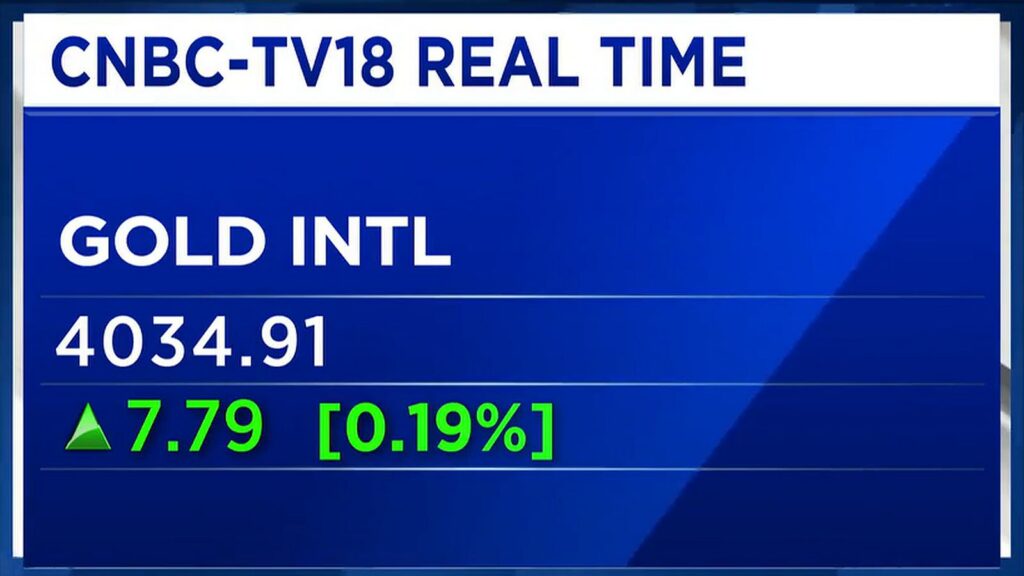
As you know, gold has multiple drivers. One of the factors it shares with crypto is that both are viewed as alternatives to fiat currencies when investors feel those currencies are being abused.
Inflation also remains in the background. We have now seen more than 20 consecutive weeks of inflows into inflation-protected bond funds.
Watch the full conversation here
That narrative could change after the Fed meeting later this week, but there is still a sense that the fight against inflation has not been won. Based on how central banks handled—or didn't handle—inflation during the post-COVID period, investors remain wary.
Catch all the latest updates from the stock market here
"It was a small inflow, but it was an inflow. It was under $100 million last week, but that was the first in a while and the biggest since, I think, mid-March," Cameron Brandt, Director of Research at EPFR Global, told CNBC-TV18. He added that the inflows seem to be pesisting this week.
While the AI theme remains intact, investors are increasingly treating recent market corrections as buying opportunities rather than reasons to exit. Flows into South Korea have slowed sharply, though they remain positive, as investors become more cautious about leverage. Meanwhile, value buying has picked up in India and parts of Latin America.
Brandt also noted renewed interest in gold and inflation-protected assets, suggesting investors remain concerned that the fight against inflation is far from over.
This is an edited transcript of the interview.Q: The price action suggests the AI trade is cooling a bit. But in terms of flows, have we seen outflows from AI-heavy markets like South Korea and Taiwan? Since the Kospi peaked in mid-June, what has happened to flows and where is money rotating now?
A: We are still seeing a pattern where, frankly, the sell-offs are being treated more as entry points than as exit cues. We have seen flows into dedicated Korea funds moderate, but they have not turned negative.
What we have seen over the last couple of weeks is a search for value within the emerging markets universe, and that has taken investors towards India. We saw the first foreign inflows into India in some time. Investors also gave Latin America another look last week.
Among the Asian markets, Korea is perhaps the most vulnerable because a lot of the recent surge was increasingly driven by borrowed money. Investors are definitely more cautious there.
Q: What kind of inflows are India-dedicated funds seeing?
A: It was a small inflow, but it was an inflow. It was under $100 million last week, but that was the first in a while and the biggest since, I think, mid-March.
So, it was definitely a positive development, and those inflows seem to be persisting this week, although we will know more towards the end of the week.
Q: What is the overall number for Korea now? Even after the recent correction, the market is still up sharply this year. There was also talk that foreign investors had sold around $75 billion, with much of the selling being technical because investors had hit single-stock limits. What's the latest picture?
A: In terms of weekly flows, they have dropped from a fairly reliable $3-4 billion a week to around $500 million-$1 billion. They are still positive.
Domestic support is holding up, certainly through the fund lens, and, as you mentioned, there is a good deal of technical correction here. There are still plenty of believers in the AI story, but there was a bit too much leverage for both regulatory and broader market comfort.
Q: So, the intensity of inflows into markets like South Korea has come down sharply—from $3-4 billion a week to around $500 million. Any other interesting data points on how capital is moving and what smart investors are thinking?
A: What is catching my eye is how some of the earlier issues that concerned markets have dropped off the radar.
We are seeing minimal to negative flows into previously high-flying defence and aerospace funds, very little discussion around private credit funds, and fairly neutral flows there as well.
While AI and developments in the Gulf are understandably dominating the narrative, some of the issues that were on the agenda before things escalated in late February may not stay in the background much longer.
Q: Let's talk about two very different assets—gold, often seen as the safest investment, and Bitcoin, which is considered much riskier. Both prices have been under pressure. What are flows telling you?
A: While prices have been going south, we are starting to see flows come back into dedicated physical gold funds. There has also been a modest recovery in cryptocurrency flows.
As you know, gold has multiple drivers. One of the factors it shares with crypto is that both are viewed as alternatives to fiat currencies when investors feel those currencies are being abused.
Inflation also remains in the background. We have now seen more than 20 consecutive weeks of inflows into inflation-protected bond funds.
Watch the full conversation here
That narrative could change after the Fed meeting later this week, but there is still a sense that the fight against inflation has not been won. Based on how central banks handled—or didn't handle—inflation during the post-COVID period, investors remain wary.
Catch all the latest updates from the stock market here

/images/ppid_59c68470-image-178533252548313755.webp)


/images/ppid_59c68470-image-17854001205774997.webp)
/images/ppid_59c68470-image-178526502731243723.webp)