/images/ppid_59c68470-image-178046256633275465.webp)


/images/ppid_59c68470-image-178038004869198093.webp)
What is the story about?
Oil prices may remain high even if geopolitical tensions ease, as global energy supply chains have changed structurally after the ongoing conflict in West Asia, according to Probal Sen, Oil and Gas Analyst at ICICI Securities. He believes crude oil prices could stay in the $85–90 per barrel range for the next six to 12 months, keeping pressure on India’s fuel import bill and oil marketing companies (OMCs).
“This is not a binary situation, where if the ceasefire is announced, the strait starts flowing normally from the next day,” Sen said. “There’s a structural change in the way that the energy dynamics and energy supply chains will work.”
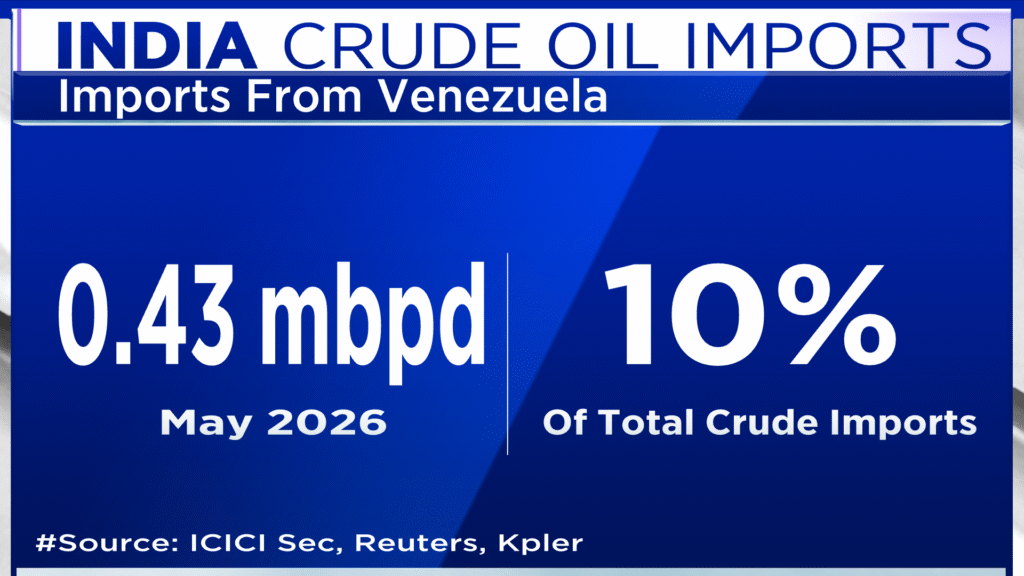
India has been increasing crude imports from alternative regions to manage supply disruptions. Venezuela now contributes close to 10% of India’s crude imports, while supplies from the US, Brazil and Africa have also increased. However, Sen said India is still running below pre-conflict import levels.
He added that India’s crude basket is currently being purchased at a premium to Brent crude prices. Earlier, premiums had surged to as high as $15–20 per barrel during peak supply shortages, though they have now eased somewhat.
Also Read | ONGC
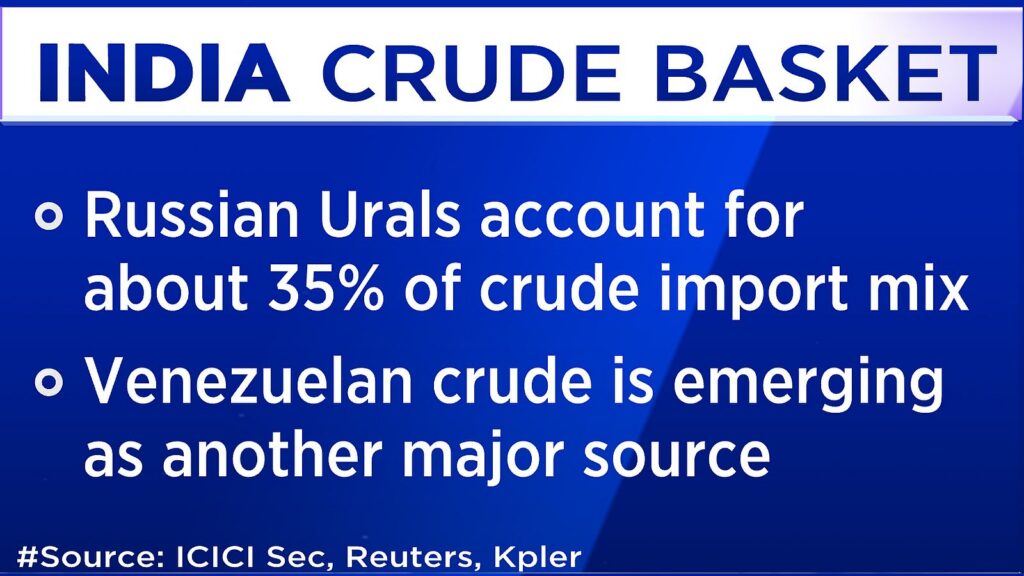
Despite sourcing crude from countries like Russia and Venezuela, Sen said buyers are no longer getting meaningful discounts. “I don’t think there is any cheap crude available in the market right now,” he said. According to him, these imports are mainly helping India secure supply rather than reducing costs.
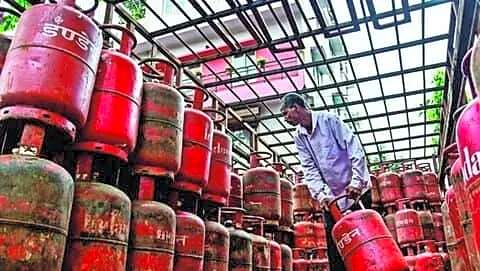
The impact is being felt most sharply by oil marketing companies. Sen said liquefied petroleum gas (LPG) losses have risen significantly, reaching nearly ₹600 per cylinder compared to less than ₹100 earlier. Even after recent fuel price hikes, petrol and diesel retail margins remain in the negative.
As a result, Sen expects OMC earnings to remain under pressure over the next two quarters. In contrast, upstream companies that produce crude oil could benefit from elevated prices.
Also Read | India can weather crude shock, modest RBI rate hikes likely: DBS Group’s Taimur Baig
“I would probably look at ONGC in the current environment,” he said, citing attractive valuations, expected production growth and a stronger earnings outlook. He also noted that concerns around windfall taxes on upstream companies appear to have reduced for now.
Watch the full conversation here
Refining companies, meanwhile, are benefiting from tighter global refining capacity. Sen said product spreads for petrol, diesel and aviation turbine fuel remain strong because refining capacity in several regions continues to be constrained.

Overall, while alternative crude supplies have helped India avoid severe shortages, the country still faces higher energy costs and continued pressure on fuel-related businesses as global supply chains remain disrupted.
Catch all the latest updates from the stock market here
“This is not a binary situation, where if the ceasefire is announced, the strait starts flowing normally from the next day,” Sen said. “There’s a structural change in the way that the energy dynamics and energy supply chains will work.”
India has been increasing crude imports from alternative regions to manage supply disruptions. Venezuela now contributes close to 10% of India’s crude imports, while supplies from the US, Brazil and Africa have also increased. However, Sen said India is still running below pre-conflict import levels.
He added that India’s crude basket is currently being purchased at a premium to Brent crude prices. Earlier, premiums had surged to as high as $15–20 per barrel during peak supply shortages, though they have now eased somewhat.
Also Read | ONGC
Despite sourcing crude from countries like Russia and Venezuela, Sen said buyers are no longer getting meaningful discounts. “I don’t think there is any cheap crude available in the market right now,” he said. According to him, these imports are mainly helping India secure supply rather than reducing costs.
The impact is being felt most sharply by oil marketing companies. Sen said liquefied petroleum gas (LPG) losses have risen significantly, reaching nearly ₹600 per cylinder compared to less than ₹100 earlier. Even after recent fuel price hikes, petrol and diesel retail margins remain in the negative.
As a result, Sen expects OMC earnings to remain under pressure over the next two quarters. In contrast, upstream companies that produce crude oil could benefit from elevated prices.
Also Read | India can weather crude shock, modest RBI rate hikes likely: DBS Group’s Taimur Baig
“I would probably look at ONGC in the current environment,” he said, citing attractive valuations, expected production growth and a stronger earnings outlook. He also noted that concerns around windfall taxes on upstream companies appear to have reduced for now.
Watch the full conversation here
Refining companies, meanwhile, are benefiting from tighter global refining capacity. Sen said product spreads for petrol, diesel and aviation turbine fuel remain strong because refining capacity in several regions continues to be constrained.
Overall, while alternative crude supplies have helped India avoid severe shortages, the country still faces higher energy costs and continued pressure on fuel-related businesses as global supply chains remain disrupted.
Catch all the latest updates from the stock market here

/images/ppid_59c68470-image-178040760062127753.webp)


/images/ppid_59c68470-image-178040014191388220.webp)
/images/ppid_59c68470-image-178039006182539060.webp)

/images/ppid_59c68470-image-178039504631380281.webp)
/images/ppid_59c68470-image-178023253288468124.webp)
/images/ppid_59c68470-image-178029502803971466.webp)