/images/ppid_59c68470-image-17890975215156195.webp)



/images/ppid_59c68470-image-17891275881737722.webp)
What is the story about?
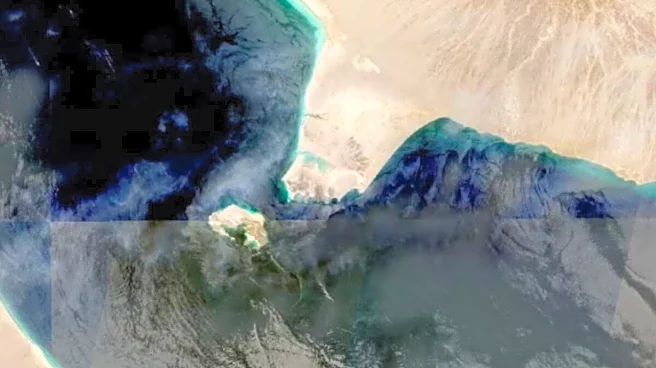
Yemen’s Houthis have seized control of Mocha, after forces of the internationally recognised Yemeni government withdrew from the crucial port city. The Houthis are now advancing towards Bab Al Mandeb, strengthening their control over an extremely crucial waterway that has significantly helped cushion the blow of the Strait of Hormuz blockade.
The strategic importance of Bab Al Mandeb increased sharply up until June as oil flows through the Red Sea rose, with the waterway emerging as an important alternative route for crude moving towards Asia.
As per the US Energy Information Administration, 4.2 billion barrels of crude oil and petroleum liquids were transported through Bab Al Mandeb per day in the first half of 2025.
But the flow has increased significantly.
According to Kpler, 6 million barrels per day of crude oil currently transited through Bab Al Mandeb to Asia in June. The growth was driven by Saudi Arabia.
In June, Saudi Arabia’s Yanbu exports reached 4.1 mbd. Saudi Arabia had rerouted 64% of its crude to Bab Al Mandeb, which otherwise would have been exported via Ras Tanura and the Strait of Hormuz, according to Kpler.
From 4.2 mbd in the first half of 2025, the flow jumped to 7.4 mbd in June, equivalent to 7% of global oil production.
Kpler data shows that 7.4 mbd of petroleum transited through Bab Al Mandeb in June.
The Red Sea has also become the primary route for Western Russian crude grades, particularly Urals, moving to Asia, with India accounting for the largest share of imports, alongside buyers in China and Brunei.
India’s exposure to the corridor is particularly high.
A Kpler report says that more than 50% of India’s crude imports currently transit through Bab Al Mandeb, the highest exposure among major Asian crude importers.
Other major Asian importers also rely on the corridor, including Pakistan (36%), the Philippines (37%), South Korea (31%), Japan (28%), Taiwan (22%), and China (19%).
With the Houthis now strengthening their position around Mocha and advancing towards Bab Al Mandeb, any disruption to the waterway could therefore have significant implications for global oil flows, particularly for Asian buyers.
Also Read: Japan’s bond yields jump as crude oil concerns fuel global selloff
The strategic importance of Bab Al Mandeb increased sharply up until June as oil flows through the Red Sea rose, with the waterway emerging as an important alternative route for crude moving towards Asia.
As per the US Energy Information Administration, 4.2 billion barrels of crude oil and petroleum liquids were transported through Bab Al Mandeb per day in the first half of 2025.
But the flow has increased significantly.
According to Kpler, 6 million barrels per day of crude oil currently transited through Bab Al Mandeb to Asia in June. The growth was driven by Saudi Arabia.
In June, Saudi Arabia’s Yanbu exports reached 4.1 mbd. Saudi Arabia had rerouted 64% of its crude to Bab Al Mandeb, which otherwise would have been exported via Ras Tanura and the Strait of Hormuz, according to Kpler.
From 4.2 mbd in the first half of 2025, the flow jumped to 7.4 mbd in June, equivalent to 7% of global oil production.
Kpler data shows that 7.4 mbd of petroleum transited through Bab Al Mandeb in June.
The Red Sea has also become the primary route for Western Russian crude grades, particularly Urals, moving to Asia, with India accounting for the largest share of imports, alongside buyers in China and Brunei.
India’s exposure to the corridor is particularly high.
A Kpler report says that more than 50% of India’s crude imports currently transit through Bab Al Mandeb, the highest exposure among major Asian crude importers.
Other major Asian importers also rely on the corridor, including Pakistan (36%), the Philippines (37%), South Korea (31%), Japan (28%), Taiwan (22%), and China (19%).
With the Houthis now strengthening their position around Mocha and advancing towards Bab Al Mandeb, any disruption to the waterway could therefore have significant implications for global oil flows, particularly for Asian buyers.
Also Read: Japan’s bond yields jump as crude oil concerns fuel global selloff