/images/ppid_59c68470-image-177968502759745957.webp)



/images/ppid_59c68470-image-17798175469957261.webp)
What is the story about?
Matt Orton, Chief Market Strategist at Raymond James Investment, sees India as an important diversification play for global portfolios tilted toward artificial intelligence (AI) themes.
While benchmark indices have underperformed broader global markets, he says selective opportunities in ports, airports and domestic-facing businesses continue to stand out, supported by India’s low correlation with US markets and resilient consumer demand.
Orton also believes global markets, especially the US, remain attractive as long as earnings growth stays resilient. He says investor focus should remain on sectors and companies seeing positive earnings revisions, particularly those linked to the AI capex cycle, including semiconductors and select industrial names.
This is an edited transcript of the interview.Q: What's the view now on markets top-down?
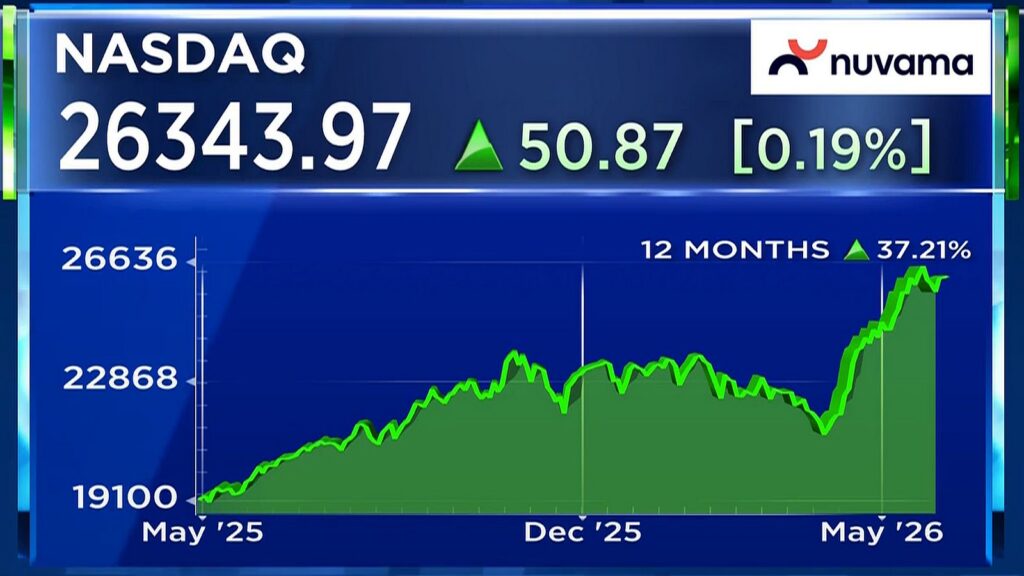
A: Top-down, the market still looks attractive, and I would say the US market in particular continues to look attractive. But it’s a story of leaning into earnings growth, as the strength markets have had globally has been driven by earnings growth and positive earnings revisions.
That’s why you’re seeing so much strength from the US and the AI capex complex, particularly semiconductors. That’s why South Korea and Taiwan have been among the best-performing markets globally. It’s also why you’re seeing strength in select European industrial and financial companies. It’s all about where there are positive earnings revisions.
There’s a lot of hope right now around what might happen with respect to a deal with Iran. I certainly hope there is a deal as well, but we’ve been here before. We’ve seen this story before. So, when I talk to investors, I think we need to look through that potential deal and focus on where there are earnings opportunities because resilient earnings can overcome geopolitical pressures, especially when linked to secular growth.
Also Read | Adani Ports and Special Economic Zone
They can also overcome some of the challenges from longer-dated yields pushing higher on the idea that we might get a rate hike. I am not in that camp. I don’t think anything will happen to rates for the duration of 2026, but we will see how economic data comes in over the next two weeks.
Q: So, you are not in the camp expecting a rate hike from the US Fed. What about these big tech initial public offerings (IPOs)? That’s a lot of supply for markets to absorb. Do you think that could puncture the US market rally?
A: There is a lot of talk about where the money might come from to invest in these IPOs. We know SpaceX is likely to be first, OpenAI is pushing toward a filing later this year, and who knows if Anthropic also comes to market.
But I think there is still a lot of cash on the sidelines. Retail positioning has lagged significantly relative to hedge funds, mutual funds and systematic positioning in this rally. So, there’s still retail cash available.
SpaceX is likely to be largely a retail push. And when you think about the size of the float, while still large, because the overall market capitalisation numbers are so massive, it doesn’t take much to come out of a $5 trillion-plus company like Nvidia, Alphabet, Amazon or Meta.
Take a little bit from each of those names, and you will still be able to meet the IPO demand without damaging the broader market. So, I don’t really buy into fears that you’ll see a market decline simply to fuel demand for these IPOs.
Q: What is the view on India? Toward the end of last week, things started stabilising a little bit. The rupee strengthened, and hopefully, oil prices will decline further.
A: India is a great balance for portfolios levered toward artificial intelligence. Given the gains we have had globally, I have leaned strongly into trades linked to the AI capex cycle in the US and elsewhere. But because of the strength of those gains, you have to rebalance, given the risks that exist.
When I look for rebalancing candidates, it’s important to be very selective, and India fits that bill nicely. Correlation with US markets remains very low.
Also Read | Mahindra and Mahindra
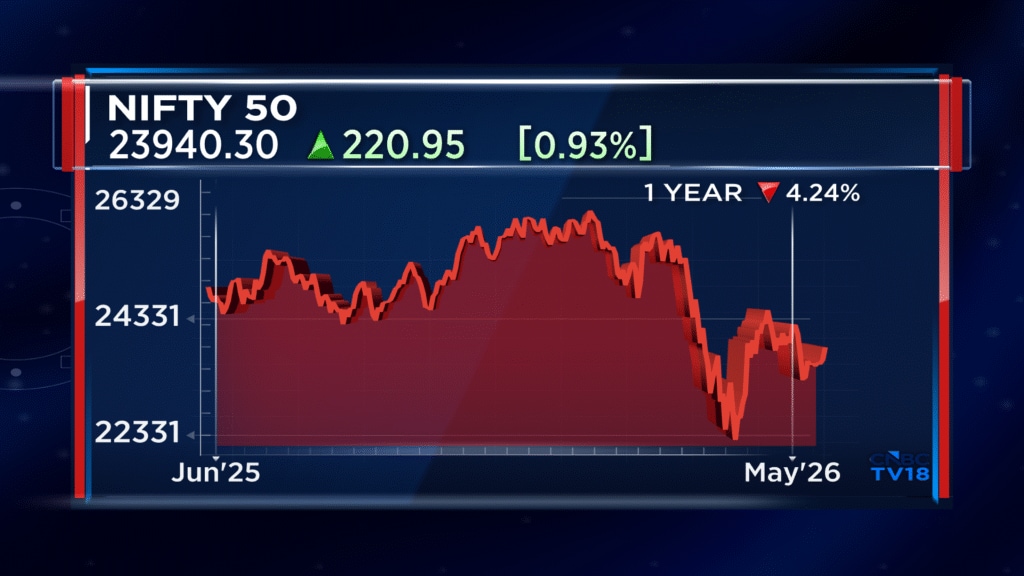
While the Nifty itself has not done much and has underperformed global and emerging markets, many companies have still done very well. Small- and mid-cap companies in India have actually performed better than some larger-cap names.
Even among large caps, it’s about being selective and finding idiosyncratic stories where there is strength. We’ve spoken before about some of my favourite companies, like GMR Airports, where you are seeing deeper client integration.
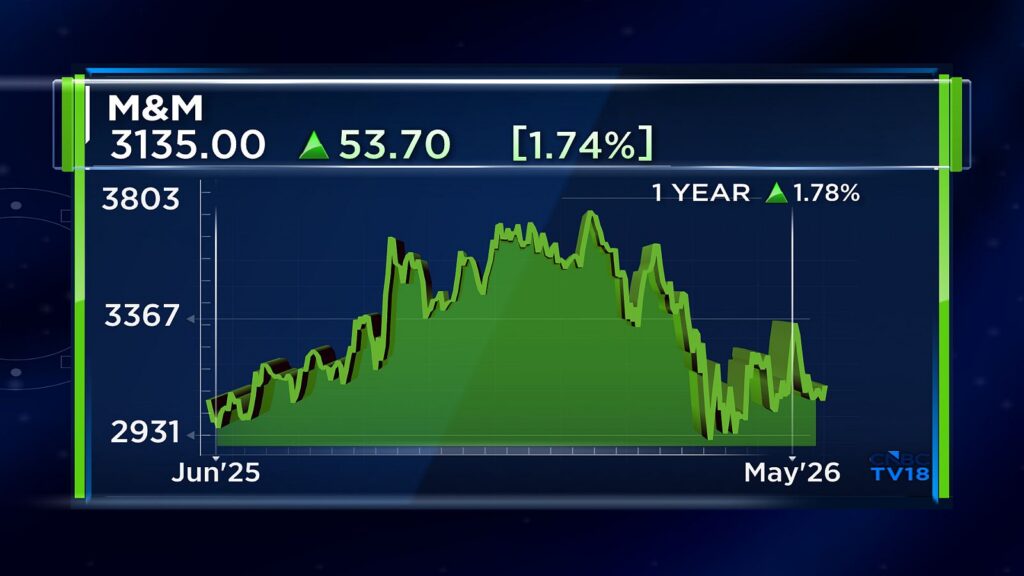
InterGlobe Aviation (M&M) has been hit somewhat because of the conflict, but if there’s a resolution, those shares look incredibly cheap. GMR Airports is another company I like because it’s levered to the travel theme, while also benefiting from real estate and duty-free operations within airports.
It’s also more domestically levered to India, and the perceptions outside India are different from what’s actually happening inside India with respect to the consumer, especially the middle and upper-middle class, who are still able to travel despite the conflict.
So, it’s all about being selective about what you own in this market.
Q: InterGlobe Aviation (Indigo) was also one of your earlier favourites, especially with crude prices softening. And on banking names, you have generally liked some of the larger private sector banks. What’s your pick there?
A: InterGlobe has faced several exogenous shocks. I think I would wait for a more visible recovery before getting back into that name. But it’s still a high-quality company. They have expanded their fleet, and they’ll come back — it’s just a question of when deploying incremental capital there becomes most productive.
Watch the full conversation here
If we do get a deal, financials could do very well because they’ve been beaten down incredibly hard. Valuations are very attractive on both PE and price-to-book metrics for some of the larger banks.
But the macro narrative has been challenging. So, if there’s a catalyst to change that narrative, I would rather wait for that to happen because there is still plenty of upside potential once sentiment improves.
Again, it’s a story of watching very closely, but waiting before putting more money to work in those names.
Catch all the latest updates from the stock market here
While benchmark indices have underperformed broader global markets, he says selective opportunities in ports, airports and domestic-facing businesses continue to stand out, supported by India’s low correlation with US markets and resilient consumer demand.
Orton also believes global markets, especially the US, remain attractive as long as earnings growth stays resilient. He says investor focus should remain on sectors and companies seeing positive earnings revisions, particularly those linked to the AI capex cycle, including semiconductors and select industrial names.
This is an edited transcript of the interview.Q: What's the view now on markets top-down?
A: Top-down, the market still looks attractive, and I would say the US market in particular continues to look attractive. But it’s a story of leaning into earnings growth, as the strength markets have had globally has been driven by earnings growth and positive earnings revisions.
That’s why you’re seeing so much strength from the US and the AI capex complex, particularly semiconductors. That’s why South Korea and Taiwan have been among the best-performing markets globally. It’s also why you’re seeing strength in select European industrial and financial companies. It’s all about where there are positive earnings revisions.
There’s a lot of hope right now around what might happen with respect to a deal with Iran. I certainly hope there is a deal as well, but we’ve been here before. We’ve seen this story before. So, when I talk to investors, I think we need to look through that potential deal and focus on where there are earnings opportunities because resilient earnings can overcome geopolitical pressures, especially when linked to secular growth.
Also Read | Adani Ports and Special Economic Zone
They can also overcome some of the challenges from longer-dated yields pushing higher on the idea that we might get a rate hike. I am not in that camp. I don’t think anything will happen to rates for the duration of 2026, but we will see how economic data comes in over the next two weeks.
Q: So, you are not in the camp expecting a rate hike from the US Fed. What about these big tech initial public offerings (IPOs)? That’s a lot of supply for markets to absorb. Do you think that could puncture the US market rally?
A: There is a lot of talk about where the money might come from to invest in these IPOs. We know SpaceX is likely to be first, OpenAI is pushing toward a filing later this year, and who knows if Anthropic also comes to market.
But I think there is still a lot of cash on the sidelines. Retail positioning has lagged significantly relative to hedge funds, mutual funds and systematic positioning in this rally. So, there’s still retail cash available.
SpaceX is likely to be largely a retail push. And when you think about the size of the float, while still large, because the overall market capitalisation numbers are so massive, it doesn’t take much to come out of a $5 trillion-plus company like Nvidia, Alphabet, Amazon or Meta.
Take a little bit from each of those names, and you will still be able to meet the IPO demand without damaging the broader market. So, I don’t really buy into fears that you’ll see a market decline simply to fuel demand for these IPOs.
Q: What is the view on India? Toward the end of last week, things started stabilising a little bit. The rupee strengthened, and hopefully, oil prices will decline further.
A: India is a great balance for portfolios levered toward artificial intelligence. Given the gains we have had globally, I have leaned strongly into trades linked to the AI capex cycle in the US and elsewhere. But because of the strength of those gains, you have to rebalance, given the risks that exist.
When I look for rebalancing candidates, it’s important to be very selective, and India fits that bill nicely. Correlation with US markets remains very low.
Also Read | Mahindra and Mahindra
While the Nifty itself has not done much and has underperformed global and emerging markets, many companies have still done very well. Small- and mid-cap companies in India have actually performed better than some larger-cap names.
Even among large caps, it’s about being selective and finding idiosyncratic stories where there is strength. We’ve spoken before about some of my favourite companies, like GMR Airports, where you are seeing deeper client integration.
InterGlobe Aviation (M&M) has been hit somewhat because of the conflict, but if there’s a resolution, those shares look incredibly cheap. GMR Airports is another company I like because it’s levered to the travel theme, while also benefiting from real estate and duty-free operations within airports.
It’s also more domestically levered to India, and the perceptions outside India are different from what’s actually happening inside India with respect to the consumer, especially the middle and upper-middle class, who are still able to travel despite the conflict.
So, it’s all about being selective about what you own in this market.
Q: InterGlobe Aviation (Indigo) was also one of your earlier favourites, especially with crude prices softening. And on banking names, you have generally liked some of the larger private sector banks. What’s your pick there?
A: InterGlobe has faced several exogenous shocks. I think I would wait for a more visible recovery before getting back into that name. But it’s still a high-quality company. They have expanded their fleet, and they’ll come back — it’s just a question of when deploying incremental capital there becomes most productive.
Watch the full conversation here
If we do get a deal, financials could do very well because they’ve been beaten down incredibly hard. Valuations are very attractive on both PE and price-to-book metrics for some of the larger banks.
But the macro narrative has been challenging. So, if there’s a catalyst to change that narrative, I would rather wait for that to happen because there is still plenty of upside potential once sentiment improves.
Again, it’s a story of watching very closely, but waiting before putting more money to work in those names.
Catch all the latest updates from the stock market here
/images/ppid_59c68470-image-177985513348476779.webp)
/images/ppid_59c68470-image-177983753154937879.webp)
/images/ppid_59c68470-image-177981010736027792.webp)
/images/ppid_59c68470-image-177970006987264248.webp)
/images/ppid_59c68470-image-177986002828631557.webp)



/images/ppid_59c68470-image-177971259108249565.webp)
/images/ppid_59c68470-image-177972008591548656.webp)