/images/ppid_59c68470-image-178914011965130447.webp)

What is the story about?
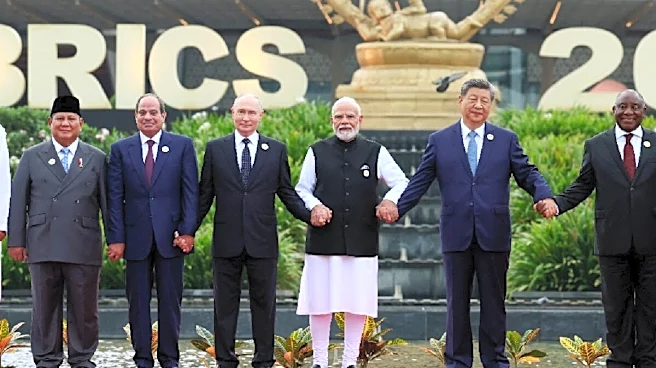
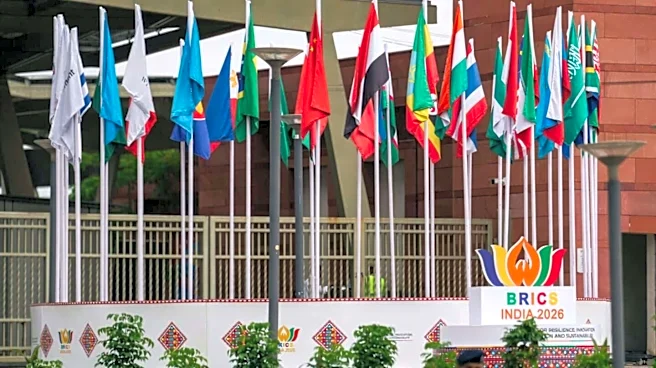
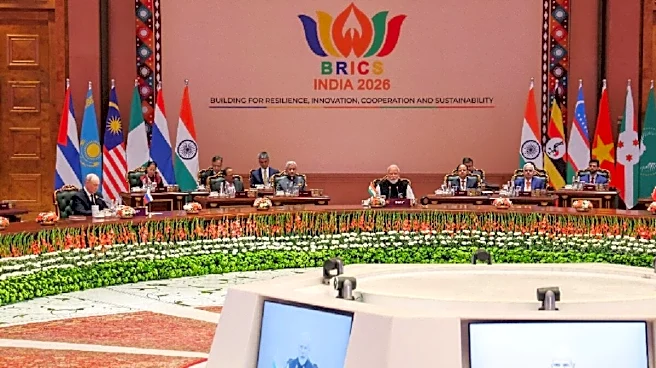
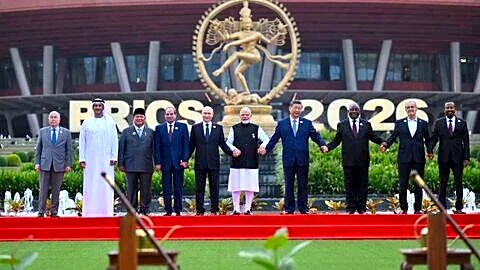
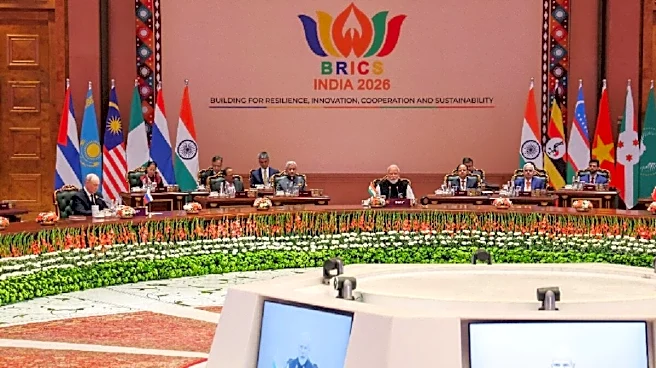
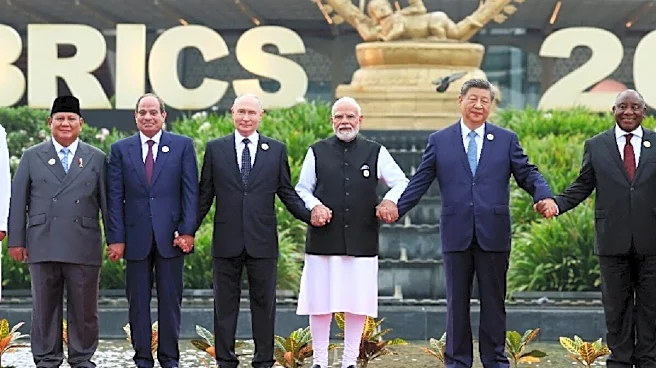
The BRICS Summit in New Delhi comes at a critical time for India, with energy security, global trade and geopolitical tensions emerging as key issues for markets and businesses.
Former Indian ambassador to Iran D.P. Srivastava said India’s growing economic strength has given it a stronger position within the grouping.
“India is the fastest-growing major economy in the world with 7.7% growth in the first quarter of this financial year, despite the West Asia crisis. So, there are no questions about India’s place in the BRICS,” Srivastava said.
India’s diplomatic position also gives it an important role in the grouping, he said.
“India has always been a voice in international affairs as a leader of the Global South, as a country which has relations both with the East and the West. So, this is going to be reflected in the outcome of the summit,” Srivastava said.
Energy security takes centre stage
For investors, energy is one of the biggest issues to watch.
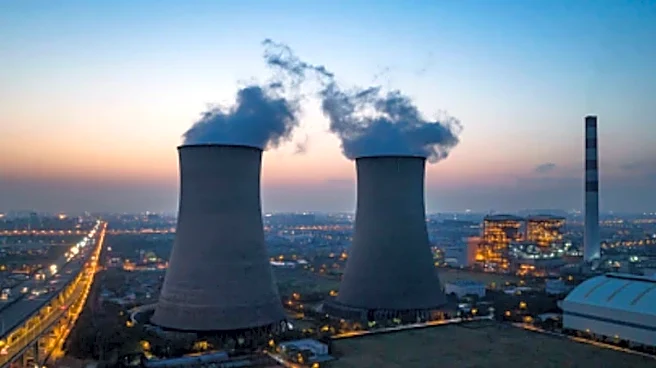
Brent crude has already crossed $105 a barrel amid tight global supplies and disruptions linked to the West Asia crisis. Any further pressure on Russian oil exports or restrictions affecting Iranian crude could push prices higher.
Srivastava expects potential US tariffs on countries that buy Russian oil to remain a major topic of discussion. However, he said implementing such measures could prove difficult because of their potential impact on global crude prices and US consumers.
Read Here | BRICS Summit: India can use BRICS to diversify supply chains and expand global business ties, says FICCI
The summit also comes as tensions around the Strait of Hormuz and Red Sea trade routes add to supply-chain risks. India could use its diplomatic position to push for de-escalation, the reopening of key trade routes and a broader solution to the West Asia crisis.
India-Russia ties offer scope for deeper cooperation
Sergey Dvoryanov, vice president and director of communications at the BRICS Culture Media Forum, highlighted opportunities for deeper India-Russia cooperation in areas including nuclear power, defence, security and high technology.
He said the broader focus should be on building a multipolar global order.
“The most important is to develop this concept of multipolar world,” Dvoryanov said.
The summit comes as India seeks to balance its ties with major powers while navigating higher energy costs, shifting trade routes and geopolitical uncertainty.
For markets, the outcome could therefore have implications well beyond diplomacy, particularly for crude oil, trade flows, energy-intensive industries and companies exposed to global supply chains.
For the entire discussion, watch the accompanying video
Catch all the live updates from the BRICS Summit 2026
Former Indian ambassador to Iran D.P. Srivastava said India’s growing economic strength has given it a stronger position within the grouping.
“India is the fastest-growing major economy in the world with 7.7% growth in the first quarter of this financial year, despite the West Asia crisis. So, there are no questions about India’s place in the BRICS,” Srivastava said.
India’s diplomatic position also gives it an important role in the grouping, he said.
“India has always been a voice in international affairs as a leader of the Global South, as a country which has relations both with the East and the West. So, this is going to be reflected in the outcome of the summit,” Srivastava said.
Energy security takes centre stage
For investors, energy is one of the biggest issues to watch.
Brent crude has already crossed $105 a barrel amid tight global supplies and disruptions linked to the West Asia crisis. Any further pressure on Russian oil exports or restrictions affecting Iranian crude could push prices higher.
Srivastava expects potential US tariffs on countries that buy Russian oil to remain a major topic of discussion. However, he said implementing such measures could prove difficult because of their potential impact on global crude prices and US consumers.
Read Here | BRICS Summit: India can use BRICS to diversify supply chains and expand global business ties, says FICCI
The summit also comes as tensions around the Strait of Hormuz and Red Sea trade routes add to supply-chain risks. India could use its diplomatic position to push for de-escalation, the reopening of key trade routes and a broader solution to the West Asia crisis.
India-Russia ties offer scope for deeper cooperation
Sergey Dvoryanov, vice president and director of communications at the BRICS Culture Media Forum, highlighted opportunities for deeper India-Russia cooperation in areas including nuclear power, defence, security and high technology.
He said the broader focus should be on building a multipolar global order.
“The most important is to develop this concept of multipolar world,” Dvoryanov said.
The summit comes as India seeks to balance its ties with major powers while navigating higher energy costs, shifting trade routes and geopolitical uncertainty.
For markets, the outcome could therefore have implications well beyond diplomacy, particularly for crude oil, trade flows, energy-intensive industries and companies exposed to global supply chains.
For the entire discussion, watch the accompanying video
Catch all the live updates from the BRICS Summit 2026
/images/ppid_59c68470-image-178931002597518485.webp)


/images/ppid_59c68470-image-178921503938884627.webp)