/images/ppid_59c68470-image-178461010656218625.webp)


/images/ppid_59c68470-image-178446502854093034.webp)



What is the story about?
India's economic outlook remains constructive despite higher oil prices and pressure on the rupee, with the economy showing far greater resilience than many expected, says Taimur Baig, Managing Director and Chief Economist at DBS Group Research. He believes concerns around higher energy costs and external balances have not translated into widespread demand destruction or fiscal stress.
Baig also expects the Reserve Bank of India's (RBI) Foreign Currency Non-Resident (FCNR) deposit scheme to attract significantly more inflows than initially anticipated, helping stabilise the rupee. While he expects oil prices to remain a key risk, he argues that even at current levels they are well below historical crisis peaks, and sees the rupee's weakness largely as part of a broader trend across energy-importing Asian economies rather than an India-specific problem.
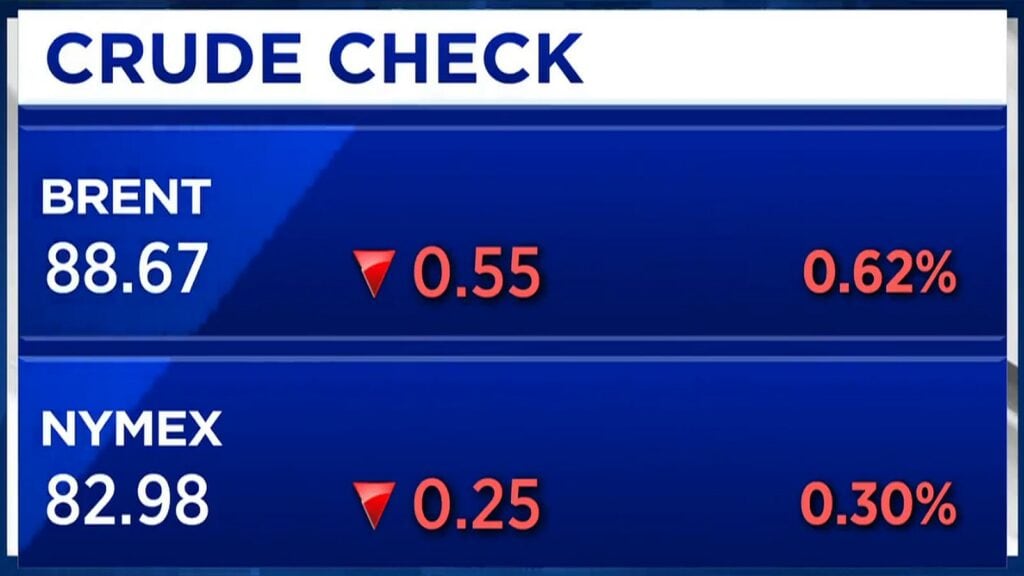
This is an edited transcript of the interview.Q: Taimur, let's start with two factors and your view on the Indian rupee right now. First, oil is contained at around $80-88 per barrel despite the geopolitical uncertainty. It's not at $70-72 that we had seen earlier, but it's definitely not $120 either. What's your call on oil and the implications for India's macro outlook? Second, the deposits coming into the Indian banking system following the RBI's recent measures have been much higher than the Street was anticipating. Do all these developments make you more positive on India?
A: The second question first. The short answer is yes. We think the absorptive capacity of the Indian economy to higher oil prices is vastly understated. I think this is actually a general observation about the global economy. India has shown over the last six months that just because import prices rise, the trade deficit worsens and the rupee comes under pressure, it doesn't mean the whole economy falls apart.
We haven't seen any evidence of widespread demand destruction. We haven't seen any major consternation among fixed-income buyers with respect to the fiscal stance of the Indian authorities, despite the fact that higher energy prices would normally bring subsidy and fiscal risks to the fore.
Put aside the pressure on the rupee, which is not an isolated development. If you look at the Indonesian rupiah or the Philippine peso, all the large energy import-dependent economies have seen their exchange rates come under pressure. There's nothing India-specific about that.
It would have been India-specific if we had seen a huge sell-off in the fixed-income market because of fears of fiscal deterioration. We have not seen that. It would have been India-specific if we had seen substantial evidence of demand destruction. We haven't seen that either.
Generally speaking, our outlook for the Indian economy remains unchanged. We haven't turned bearish on India. I've come to this show in the past and made somewhat light of the concern around negative net Foreign Direct Investment (FDI), saying it should be viewed in the context of profit-taking by private equity investors after IPO exits. Overall, we continue to view that issue constructively.
Coming to oil and what it means for the external macro outlook, that question has bedevilled us all year. But we need to put things in context.
Even at $85 or even $100 per barrel, oil prices in real terms are significantly lower than they were during previous energy crises. Whether it was the 2022 Ukraine war or even 2010, when oil was around $150, today's levels are substantially lower.
So, I wouldn't worry too much about oil moving somewhat higher from current levels. If the US-Iran situation worsens, or if the Houthis become more involved and disruptions to Red Sea oil shipments increase, those are clearly not constructive developments. We do worry about energy security and global refining capacity.
But we should also step back and look at the bigger picture. Even the upside risk to oil should be viewed in the context that, historically, oil prices are still relatively low.
Q: Despite all this, what explains the poor sentiment on the rupee? Equity flows have improved, and earlier the continuous equity outflows were a major source of pressure. So why is the rupee still weak? Will the $17.5 billion announced yesterday be enough, or does something more need to happen?
A: I always look at this from a cross-country perspective. When I compare a group of Asian economies that depend on energy imports, I don't see the rupee as an outlier.
The rupee, Indonesian rupiah, Philippine peso and Thai baht have all weakened over the last six months because these economies see their external balances worsen when energy prices rise. I wouldn't put the rupee in a separate bucket.
Of course, we would like to see market stabilisation. We don't want a disorderly sell-off in the exchange rate, even though, from the perspective of Indian exporters, a weaker currency is actually fairly positive.
Will the Foreign Currency Non-Resident (FCNR) deposit scheme solve the issue? It will certainly help.
I'm sitting here in Singapore and I can already see substantial demand from private clients. I know counterparts in the Middle East and the US are also seeing strong demand from the Indian diaspora. The scheme will likely surprise on the upside in terms of the capital mobilised.
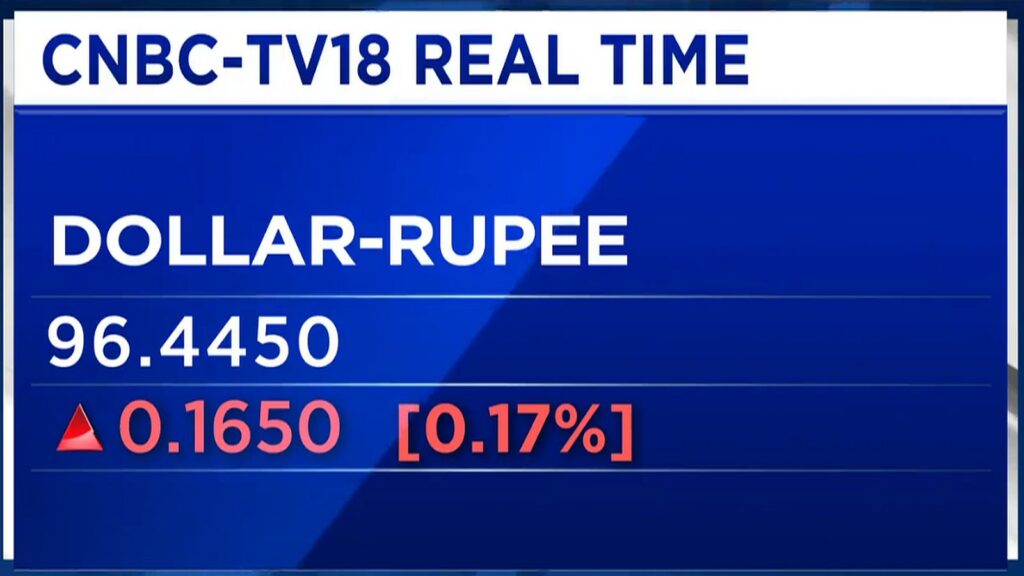
If foreign investors begin bottom-fishing in India, that's positive. If oil remains in the $85-90 range and doesn't become a much bigger source of concern, these developments should help keep the rupee below the 97 level that everyone is talking about.
I really think focusing too much on whether the rupee is at 96.4 or 96.5 isn't particularly constructive. It's better viewed from a broader cross-country perspective.
Q: I wanted to ask about the dollar index. At one point it was falling, but over the last couple of months it has bounced back. Expectations are that the US economy is holding up reasonably well and that the Federal Reserve could raise rates towards the end of this year. Are you in that camp, or do you think they postpone any rate hike until 2027?
A: The short answer that they will postpone. Let me explain. On the dollar index, I remain structurally bearish. Given the US macro dynamics, its fiscal situation and the trade policies it is pursuing, a weaker dollar makes sense.
If the US were to address its twin deficits in a meaningful way, I would become a strong dollar bull. But I don't see any major signs of fiscal consolidation.
Despite all the messaging from the Federal Open Market Committee (FOMC) over the last month or so, I also don't see a serious resolve to bring inflation back to 2%. If inflation remains around 3.5%, and core Personal Consumption Expenditures (PCE) moves above 3.5%, that creates a difficult situation for the Fed from a market expectations perspective.
They have to sound hawkish, but under Kevin Warsh I would expect that to be a last resort.
They are likely to point to the recent decline in headline inflation as oil prices have fallen. They will also argue that labour market uncertainty, particularly because of artificial intelligence (AI) related disruption, needs to be considered before tightening monetary policy further.
Watch the full conversation here
Putting all of this together, I'm not in the camp that believes the US dollar will receive major medium-term support from fiscal policy, monetary policy or broader economic developments.
It's a somewhat unusual view, given the excitement around AI and the fact that the US remains the global hub of AI investment. That naturally attracts capital and should support the dollar.
But when I look at the external deficit, fiscal deficit and monetary policy stance together, I don't find much that is constructive for the dollar, despite developments over the last two months.
Catch all the latest updates from the stock market here
Baig also expects the Reserve Bank of India's (RBI) Foreign Currency Non-Resident (FCNR) deposit scheme to attract significantly more inflows than initially anticipated, helping stabilise the rupee. While he expects oil prices to remain a key risk, he argues that even at current levels they are well below historical crisis peaks, and sees the rupee's weakness largely as part of a broader trend across energy-importing Asian economies rather than an India-specific problem.
This is an edited transcript of the interview.Q: Taimur, let's start with two factors and your view on the Indian rupee right now. First, oil is contained at around $80-88 per barrel despite the geopolitical uncertainty. It's not at $70-72 that we had seen earlier, but it's definitely not $120 either. What's your call on oil and the implications for India's macro outlook? Second, the deposits coming into the Indian banking system following the RBI's recent measures have been much higher than the Street was anticipating. Do all these developments make you more positive on India?
A: The second question first. The short answer is yes. We think the absorptive capacity of the Indian economy to higher oil prices is vastly understated. I think this is actually a general observation about the global economy. India has shown over the last six months that just because import prices rise, the trade deficit worsens and the rupee comes under pressure, it doesn't mean the whole economy falls apart.
We haven't seen any evidence of widespread demand destruction. We haven't seen any major consternation among fixed-income buyers with respect to the fiscal stance of the Indian authorities, despite the fact that higher energy prices would normally bring subsidy and fiscal risks to the fore.
Put aside the pressure on the rupee, which is not an isolated development. If you look at the Indonesian rupiah or the Philippine peso, all the large energy import-dependent economies have seen their exchange rates come under pressure. There's nothing India-specific about that.
It would have been India-specific if we had seen a huge sell-off in the fixed-income market because of fears of fiscal deterioration. We have not seen that. It would have been India-specific if we had seen substantial evidence of demand destruction. We haven't seen that either.
Generally speaking, our outlook for the Indian economy remains unchanged. We haven't turned bearish on India. I've come to this show in the past and made somewhat light of the concern around negative net Foreign Direct Investment (FDI), saying it should be viewed in the context of profit-taking by private equity investors after IPO exits. Overall, we continue to view that issue constructively.
Coming to oil and what it means for the external macro outlook, that question has bedevilled us all year. But we need to put things in context.
Even at $85 or even $100 per barrel, oil prices in real terms are significantly lower than they were during previous energy crises. Whether it was the 2022 Ukraine war or even 2010, when oil was around $150, today's levels are substantially lower.
So, I wouldn't worry too much about oil moving somewhat higher from current levels. If the US-Iran situation worsens, or if the Houthis become more involved and disruptions to Red Sea oil shipments increase, those are clearly not constructive developments. We do worry about energy security and global refining capacity.
But we should also step back and look at the bigger picture. Even the upside risk to oil should be viewed in the context that, historically, oil prices are still relatively low.
Q: Despite all this, what explains the poor sentiment on the rupee? Equity flows have improved, and earlier the continuous equity outflows were a major source of pressure. So why is the rupee still weak? Will the $17.5 billion announced yesterday be enough, or does something more need to happen?
A: I always look at this from a cross-country perspective. When I compare a group of Asian economies that depend on energy imports, I don't see the rupee as an outlier.
The rupee, Indonesian rupiah, Philippine peso and Thai baht have all weakened over the last six months because these economies see their external balances worsen when energy prices rise. I wouldn't put the rupee in a separate bucket.
Of course, we would like to see market stabilisation. We don't want a disorderly sell-off in the exchange rate, even though, from the perspective of Indian exporters, a weaker currency is actually fairly positive.
Will the Foreign Currency Non-Resident (FCNR) deposit scheme solve the issue? It will certainly help.
I'm sitting here in Singapore and I can already see substantial demand from private clients. I know counterparts in the Middle East and the US are also seeing strong demand from the Indian diaspora. The scheme will likely surprise on the upside in terms of the capital mobilised.
If foreign investors begin bottom-fishing in India, that's positive. If oil remains in the $85-90 range and doesn't become a much bigger source of concern, these developments should help keep the rupee below the 97 level that everyone is talking about.
I really think focusing too much on whether the rupee is at 96.4 or 96.5 isn't particularly constructive. It's better viewed from a broader cross-country perspective.
Q: I wanted to ask about the dollar index. At one point it was falling, but over the last couple of months it has bounced back. Expectations are that the US economy is holding up reasonably well and that the Federal Reserve could raise rates towards the end of this year. Are you in that camp, or do you think they postpone any rate hike until 2027?
A: The short answer that they will postpone. Let me explain. On the dollar index, I remain structurally bearish. Given the US macro dynamics, its fiscal situation and the trade policies it is pursuing, a weaker dollar makes sense.
If the US were to address its twin deficits in a meaningful way, I would become a strong dollar bull. But I don't see any major signs of fiscal consolidation.
Despite all the messaging from the Federal Open Market Committee (FOMC) over the last month or so, I also don't see a serious resolve to bring inflation back to 2%. If inflation remains around 3.5%, and core Personal Consumption Expenditures (PCE) moves above 3.5%, that creates a difficult situation for the Fed from a market expectations perspective.
They have to sound hawkish, but under Kevin Warsh I would expect that to be a last resort.
They are likely to point to the recent decline in headline inflation as oil prices have fallen. They will also argue that labour market uncertainty, particularly because of artificial intelligence (AI) related disruption, needs to be considered before tightening monetary policy further.
Watch the full conversation here
Putting all of this together, I'm not in the camp that believes the US dollar will receive major medium-term support from fiscal policy, monetary policy or broader economic developments.
It's a somewhat unusual view, given the excitement around AI and the fact that the US remains the global hub of AI investment. That naturally attracts capital and should support the dollar.
But when I look at the external deficit, fiscal deficit and monetary policy stance together, I don't find much that is constructive for the dollar, despite developments over the last two months.
Catch all the latest updates from the stock market here



/images/ppid_59c68470-image-178452753157863802.webp)