/images/ppid_59c68470-image-176759256037392799.webp)




What is the story about?
India could emerge as a key beneficiary of the geopolitical turmoil surrounding Venezuela, particularly if the situation leads to a sharp decline in global oil prices, according to Ed Yardeni, President at Yardeni Research. This is because lower oil prices reduce India’s dependence on Russian crude and strengthen its negotiating position with the United States.
“India can get plenty of cheap oil in the global market in that kind of scenario and can come back to the US…and say, we're not buying any oil anymore and can we have a deal now,” Yardeni said. Such a shift, in his view, could materially improve the prospects for a US–India trade agreement and provide a supportive macro backdrop for the Indian economy.
On the back of these potential tailwinds, Yardeni believes Indian equities are well-positioned to move higher. He stated that the market has been consolidating at record highs, and a combination of cheaper oil and a favourable trade deal could act as the catalyst for the next leg up. However, he cautioned that elevated valuation multiples may limit the extent of the upside.
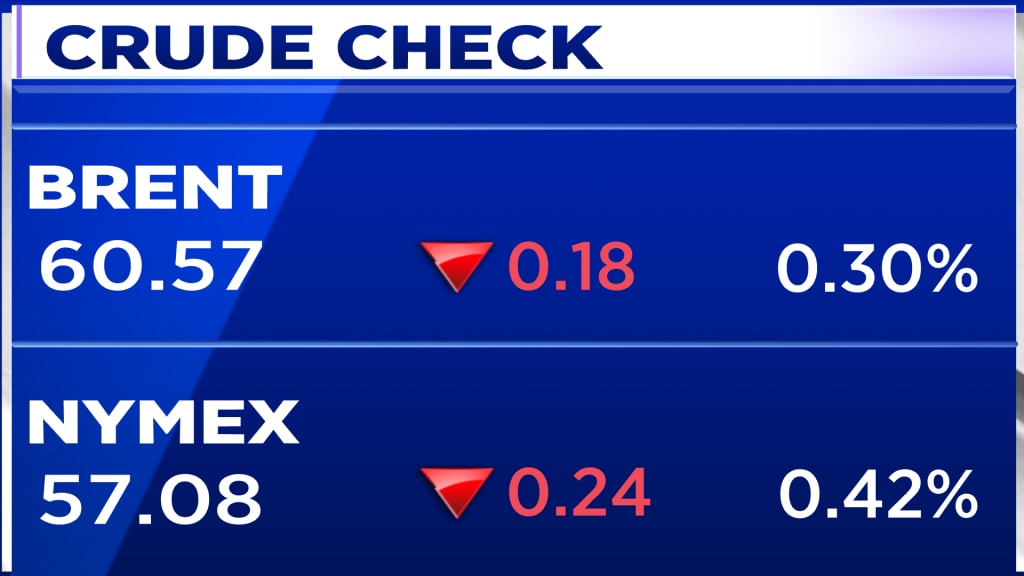
The broader global backdrop, however, remains fraught with risk. Yardeni warned that the geopolitical flare-up around Venezuela could trigger far more dangerous consequences, potentially emboldening China to accelerate hostile moves towards Taiwan and creating a highly unpredictable environment for global markets.
Also Read: Crude oil may hover near current levels as supply caps upside
He said the situation could prompt Beijing to test red lines in Asia by exploiting what it may perceive as US overreach elsewhere. Yardeni described the unfolding tensions as part of a risky geopolitical game centred on “spheres of influence,” arguing that Washington’s efforts to consolidate power in its own hemisphere could be used by China as justification for action against Taiwan. Referring to the so-called “Monroe Doctrine” in Latin America, he said China could argue: “If you want to play spheres of influence, all the more reason we should take over Taiwan.”
The doctrine refers to a long-standing US policy—originated by President James Monroe—that views any intervention by external powers in the politics of the Americas as a potentially hostile act against the United States.
Also Read: Dipan Mehta sees value in oil marketing companies and power lenders, avoids Ola Electric
Yardeni added that the United States appears increasingly militarily stretched, pointing to recent US actions in Nigeria and warnings issued to Iran. This, he suggested, could be interpreted by China as a sign of vulnerability, further increasing the risk of escalation at a time when global geopolitics are already unusually fragile.
Despite these rising dangers, Yardeni said financial markets have largely shrugged off the geopolitical risks. Equity markets continue to behave as though such crises represent buying opportunities—or, in this case, not even that. “We can see by the reaction of the markets that are open that we aren't even getting a buying opportunity,” he said. Gold, however, has been a notable exception, rallying as tensions have increased.
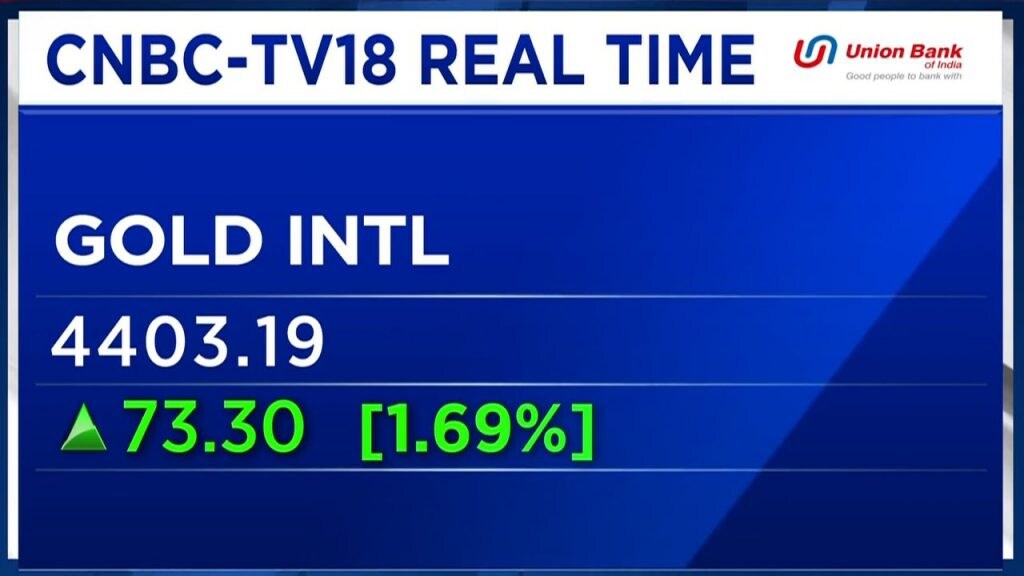
Reaffirming his long-standing bullish stance on the yellow metal, Yardeni updated his price targets to reflect the evolving global backdrop. He now expects gold to reach $6,000 per ounce by the end of 2026, up from his earlier forecast of $5,000, and maintains his longer-term projection of $10,000 by 2029. Explaining his rationale, he said, “There's no magic model that I have here…other than seeing a very interesting relationship between the S&P 500 and gold,” adding that if earnings growth propels the index to 10,000 by 2029, gold is likely to follow a similar upward trajectory.
Also Read: Equities, not gold, to lead next market cycle in 2026: Indiacharts’ Rohit Srivastava
For the entire interview, watch the accompanying video
Catch all the latest updates from the stock market here
“India can get plenty of cheap oil in the global market in that kind of scenario and can come back to the US…and say, we're not buying any oil anymore and can we have a deal now,” Yardeni said. Such a shift, in his view, could materially improve the prospects for a US–India trade agreement and provide a supportive macro backdrop for the Indian economy.
On the back of these potential tailwinds, Yardeni believes Indian equities are well-positioned to move higher. He stated that the market has been consolidating at record highs, and a combination of cheaper oil and a favourable trade deal could act as the catalyst for the next leg up. However, he cautioned that elevated valuation multiples may limit the extent of the upside.
The broader global backdrop, however, remains fraught with risk. Yardeni warned that the geopolitical flare-up around Venezuela could trigger far more dangerous consequences, potentially emboldening China to accelerate hostile moves towards Taiwan and creating a highly unpredictable environment for global markets.
Also Read: Crude oil may hover near current levels as supply caps upside
He said the situation could prompt Beijing to test red lines in Asia by exploiting what it may perceive as US overreach elsewhere. Yardeni described the unfolding tensions as part of a risky geopolitical game centred on “spheres of influence,” arguing that Washington’s efforts to consolidate power in its own hemisphere could be used by China as justification for action against Taiwan. Referring to the so-called “Monroe Doctrine” in Latin America, he said China could argue: “If you want to play spheres of influence, all the more reason we should take over Taiwan.”
The doctrine refers to a long-standing US policy—originated by President James Monroe—that views any intervention by external powers in the politics of the Americas as a potentially hostile act against the United States.
Also Read: Dipan Mehta sees value in oil marketing companies and power lenders, avoids Ola Electric
Yardeni added that the United States appears increasingly militarily stretched, pointing to recent US actions in Nigeria and warnings issued to Iran. This, he suggested, could be interpreted by China as a sign of vulnerability, further increasing the risk of escalation at a time when global geopolitics are already unusually fragile.
Despite these rising dangers, Yardeni said financial markets have largely shrugged off the geopolitical risks. Equity markets continue to behave as though such crises represent buying opportunities—or, in this case, not even that. “We can see by the reaction of the markets that are open that we aren't even getting a buying opportunity,” he said. Gold, however, has been a notable exception, rallying as tensions have increased.
Reaffirming his long-standing bullish stance on the yellow metal, Yardeni updated his price targets to reflect the evolving global backdrop. He now expects gold to reach $6,000 per ounce by the end of 2026, up from his earlier forecast of $5,000, and maintains his longer-term projection of $10,000 by 2029. Explaining his rationale, he said, “There's no magic model that I have here…other than seeing a very interesting relationship between the S&P 500 and gold,” adding that if earnings growth propels the index to 10,000 by 2029, gold is likely to follow a similar upward trajectory.
Also Read: Equities, not gold, to lead next market cycle in 2026: Indiacharts’ Rohit Srivastava
For the entire interview, watch the accompanying video
Catch all the latest updates from the stock market here



/images/ppid_59c68470-image-177085760250519671.webp)
/images/ppid_59c68470-image-177085753226281386.webp)
/images/ppid_59c68470-image-177085756997024497.webp)
/images/ppid_a911dc6a-image-177085722614689699.webp)

/images/ppid_a911dc6a-image-177085722221079193.webp)