/images/ppid_59c68470-image-177945754005741514.webp)

/images/ppid_a911dc6a-image-177923982802325954.webp)
/images/ppid_59c68470-image-177921754505586611.webp)
What is the story about?
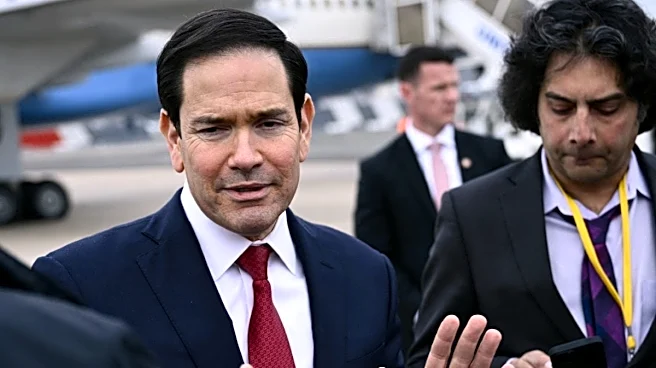
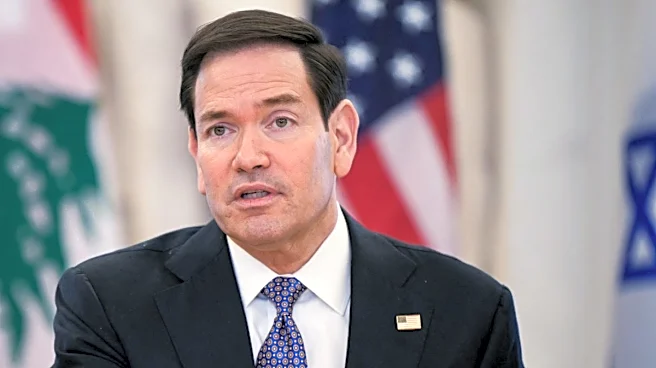
US Secretary of State Marco Rubio has signalled that Washington wants to expand Venezuelan crude supplies to India, with Venezuela's interim president also expected to visit New Delhi shortly after Rubio's own four-day trip beginning May 23
.
Before departing, Rubio told reporters the United States was ready to sell India oil and gas "as much as it wants to buy," with US production and exports at record levels.
He also pointed to Venezuelan oil as part of the broader energy agenda — an unusual pairing that underscores how Washington is now actively brokering third-country energy deals to deepen its footprint in India's energy mix.
Energy analysts, however, say the feasibility of long-term Venezuelan crude deals will hinge on volume and economics — not just diplomatic signalling.
"Indian refiners have known Venezuelan oil for a very long time. It has been a significant supplier of crude oil to India, so there is nothing new about it," said Narendra Taneja, an energy analyst, speaking to CNBC-TV18.
"A couple of our refiners are very familiar with Venezuelan crude."
Taneja cautioned that the recent surge in Venezuelan imports was a function of circumstance rather than strategy. "The volume we bought last month was basically oil already sitting in tankers floating on the high seas, so it was easier to negotiate prices and access supplies. But that phase is over now."
The broader context, he argued, is that the US is actively seeking to reshape global oil supply dynamics. "The United States has emerged as a kind of hegemon in the Western Hemisphere as far as oil is concerned. They are challenging OPEC in terms of supplies, looking for new markets, and trying to formalise an informal bloc to compete with OPEC."
Sanjeev Yadav, another analyst on the panel, pointed to the Reliance Group's participation in expanded Venezuelan oil production as a sign that the Indian industry is already positioning itself. Given that Indian refineries are equipped to process Venezuelan heavy crude, he said the arrangement could become "another stabilising force for India's energy security."
Analysts were clear, though, that India's crude sourcing decisions are driven by economics above politics. "Indian refiners do not look at the nationality or colour of the molecule," Taneja said. "Russia was not even on the radar earlier, and suddenly it became a very important supplier. Similarly, if the economics work for American crude, and the terms are favourable, Indian buyers will go there."
Rubio's visit — covering Kolkata, Agra, Jaipur, and New Delhi — is structured around trade, defence, and energy cooperation. State Department spokesman Tommy Pigott confirmed energy will feature prominently in meetings with senior Indian officials.
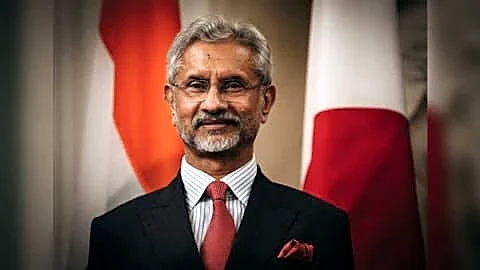
The trip concludes on May 26 with a Quad foreign ministers' meeting, where Rubio will be joined by his Australian, Japanese, and Indian counterparts.
Before departing, Rubio told reporters the United States was ready to sell India oil and gas "as much as it wants to buy," with US production and exports at record levels.
He also pointed to Venezuelan oil as part of the broader energy agenda — an unusual pairing that underscores how Washington is now actively brokering third-country energy deals to deepen its footprint in India's energy mix.
Energy analysts, however, say the feasibility of long-term Venezuelan crude deals will hinge on volume and economics — not just diplomatic signalling.
"Indian refiners have known Venezuelan oil for a very long time. It has been a significant supplier of crude oil to India, so there is nothing new about it," said Narendra Taneja, an energy analyst, speaking to CNBC-TV18.
"A couple of our refiners are very familiar with Venezuelan crude."
Taneja cautioned that the recent surge in Venezuelan imports was a function of circumstance rather than strategy. "The volume we bought last month was basically oil already sitting in tankers floating on the high seas, so it was easier to negotiate prices and access supplies. But that phase is over now."
The broader context, he argued, is that the US is actively seeking to reshape global oil supply dynamics. "The United States has emerged as a kind of hegemon in the Western Hemisphere as far as oil is concerned. They are challenging OPEC in terms of supplies, looking for new markets, and trying to formalise an informal bloc to compete with OPEC."
Sanjeev Yadav, another analyst on the panel, pointed to the Reliance Group's participation in expanded Venezuelan oil production as a sign that the Indian industry is already positioning itself. Given that Indian refineries are equipped to process Venezuelan heavy crude, he said the arrangement could become "another stabilising force for India's energy security."
Analysts were clear, though, that India's crude sourcing decisions are driven by economics above politics. "Indian refiners do not look at the nationality or colour of the molecule," Taneja said. "Russia was not even on the radar earlier, and suddenly it became a very important supplier. Similarly, if the economics work for American crude, and the terms are favourable, Indian buyers will go there."
Rubio's visit — covering Kolkata, Agra, Jaipur, and New Delhi — is structured around trade, defence, and energy cooperation. State Department spokesman Tommy Pigott confirmed energy will feature prominently in meetings with senior Indian officials.
The trip concludes on May 26 with a Quad foreign ministers' meeting, where Rubio will be joined by his Australian, Japanese, and Indian counterparts.

/images/ppid_a911dc6a-image-177939322351855574.webp)


/images/ppid_59c68470-image-177943255742736214.webp)