/images/ppid_59c68470-image-177034512794839637.webp)

/images/ppid_59c68470-image-17706051370432920.webp)
What is the story about?
Gold and silver extended their losses on Friday (February 6) as a stronger US dollar, weak global equities, and renewed risk-off sentiment weighed on precious metals after a brief mid-week rebound.
In early Asian trade, spot gold fell 0.7% to $4,735.99 per ounce after plunging nearly 4% on Thursday (February 5). US gold futures for April delivery dropped 2.8% to $4,752.40 per ounce, signalling sustained selling pressure in international markets.
Silver saw sharper volatility. Spot silver declined 3.2% to $68.97 per ounce, following a brutal 19.1% crash in the previous session. Earlier on Friday (January 30), prices briefly sank below $65 an ounce — a more than 1.5-month low — before recovering marginally.
Why metals are under pressure
The selloff in bullion tracks a broader shake-up across financial markets.
A global rout in technology stocks pushed MSCI’s world equity index down more than 1% on Thursday (February 5) as investors reassessed the ballooning costs of the artificial intelligence boom. This risk-off mood boosted demand for the US dollar, which climbed to a two-week high, making dollar-priced metals more expensive for non-U.S. buyers.
At the same time, US Treasury yields softened after weaker-than-expected labour data, but that failed to provide immediate support to gold.
The latest JOLTS report showed US job openings fell by 386,000 to 6.542 million in December — the lowest level since September 2020. Softer labour demand has reinforced expectations that the Federal Reserve may cut interest rates twice in 2026, with markets pricing in the first 25-basis-point cut as early as June.
Lower interest rates typically favour gold because it does not generate income, making it more attractive compared to bonds. However, for now, the stronger dollar and equity turbulence have dominated price action.
Geopolitics in the background
Geopolitical risks remain on the radar but have not triggered fresh safe-haven buying. The White House said diplomacy remains President Donald Trump’s preferred route in dealing with Iran, though military options remain on the table — a stance that has kept markets cautious rather than panicked.
What analysts are saying on gold
Jateen Trivedi, VP Research Analyst – Commodity & Currency at LKP Securities, said gold’s near-term trend looks fragile.
“The focus now shifts to US non-farm payrolls and unemployment data, which could set the next directional tone,” he said.
Trivedi added that technical levels now matter more than macro headlines.
“The short-term trend remains slightly weak, with resistance near $5,000 an ounce on Comex and ₹1.56 lakh per 10 grams on MCX."
Broader outlook: consolidation likely, but bull case intact
Prithviraj Kothari — Managing Director of RiddiSiddhi Bullions Ltd., President of the India Bullion and Jewellers Association (IBJA), and Chairman of Jain International Trade Organisation — expects a period of range-bound movement rather than a sharp reversal.
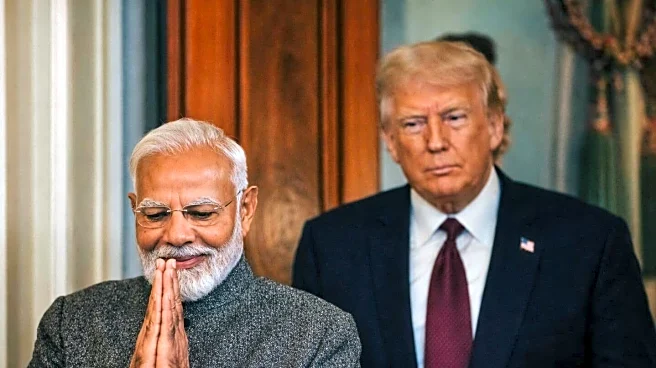
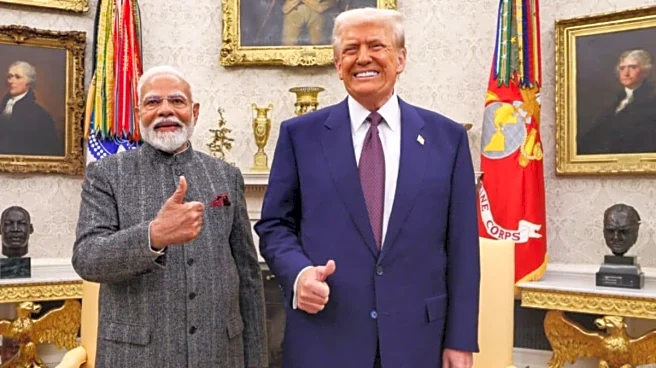
He noted that the recent US–India trade deal has reduced near-term uncertainty, which could limit safe-haven demand in the short run.
However, Kothari stressed that the medium- to long-term case for precious metals remains solid.
He pointed to expectations of a dovish US Federal Reserve, persistent geopolitical risks, rising fiscal stress in major economies, and steady buying from central banks and gold-backed ETFs as key pillars supporting prices.
-With Reuters inputs
In early Asian trade, spot gold fell 0.7% to $4,735.99 per ounce after plunging nearly 4% on Thursday (February 5). US gold futures for April delivery dropped 2.8% to $4,752.40 per ounce, signalling sustained selling pressure in international markets.
Silver saw sharper volatility. Spot silver declined 3.2% to $68.97 per ounce, following a brutal 19.1% crash in the previous session. Earlier on Friday (January 30), prices briefly sank below $65 an ounce — a more than 1.5-month low — before recovering marginally.
Why metals are under pressure
The selloff in bullion tracks a broader shake-up across financial markets.
A global rout in technology stocks pushed MSCI’s world equity index down more than 1% on Thursday (February 5) as investors reassessed the ballooning costs of the artificial intelligence boom. This risk-off mood boosted demand for the US dollar, which climbed to a two-week high, making dollar-priced metals more expensive for non-U.S. buyers.
At the same time, US Treasury yields softened after weaker-than-expected labour data, but that failed to provide immediate support to gold.
The latest JOLTS report showed US job openings fell by 386,000 to 6.542 million in December — the lowest level since September 2020. Softer labour demand has reinforced expectations that the Federal Reserve may cut interest rates twice in 2026, with markets pricing in the first 25-basis-point cut as early as June.
Lower interest rates typically favour gold because it does not generate income, making it more attractive compared to bonds. However, for now, the stronger dollar and equity turbulence have dominated price action.
Geopolitics in the background
Geopolitical risks remain on the radar but have not triggered fresh safe-haven buying. The White House said diplomacy remains President Donald Trump’s preferred route in dealing with Iran, though military options remain on the table — a stance that has kept markets cautious rather than panicked.
What analysts are saying on gold
Jateen Trivedi, VP Research Analyst – Commodity & Currency at LKP Securities, said gold’s near-term trend looks fragile.
“The focus now shifts to US non-farm payrolls and unemployment data, which could set the next directional tone,” he said.
Trivedi added that technical levels now matter more than macro headlines.
“The short-term trend remains slightly weak, with resistance near $5,000 an ounce on Comex and ₹1.56 lakh per 10 grams on MCX."
Broader outlook: consolidation likely, but bull case intact
Prithviraj Kothari — Managing Director of RiddiSiddhi Bullions Ltd., President of the India Bullion and Jewellers Association (IBJA), and Chairman of Jain International Trade Organisation — expects a period of range-bound movement rather than a sharp reversal.
He noted that the recent US–India trade deal has reduced near-term uncertainty, which could limit safe-haven demand in the short run.
However, Kothari stressed that the medium- to long-term case for precious metals remains solid.
He pointed to expectations of a dovish US Federal Reserve, persistent geopolitical risks, rising fiscal stress in major economies, and steady buying from central banks and gold-backed ETFs as key pillars supporting prices.
-With Reuters inputs
/images/ppid_59c68470-image-177077760046699504.webp)
/images/ppid_59c68470-image-177069008086153671.webp)
/images/ppid_59c68470-image-177072253000836336.webp)
/images/ppid_a911dc6a-image-177069633713368765.webp)



/images/ppid_a911dc6a-image-17706547039401557.webp)
/images/ppid_a911dc6a-image-177078207758873160.webp)


/images/ppid_59c68470-image-177062004190524024.webp)