/images/ppid_59c68470-image-177865006961523549.webp)


/images/ppid_59c68470-image-177851253245315761.webp)
/images/ppid_59c68470-image-177856009552961064.webp)
What is the story about?
The government’s decision to raise import duties on gold and silver to 15% from 6% marks a major policy reversal aimed at containing India’s rising import bill amid the ongoing West Asia crisis and pressure on the rupee.
The move came just days after Prime Minister Narendra Modi urged citizens to postpone gold purchases, reduce fuel consumption and avoid unnecessary foreign travel to help conserve foreign exchange reserves as oil prices remain elevated.
What has changed?
Effective May 13, the government increased the effective import duty on gold and silver to 15%, up from 6%. The revised structure includes a 10% basic customs duty along with a 5% Agriculture Infrastructure and Development Cess (AIDC).
The latest hike partially reverses the customs duty cut announced in the 2024-25 Budget, when the government had reduced import duty on gold to 6% to support the gems and jewellery industry, bring down local prices and curb smuggling.
Why has the government raised duties now?
The decision is largely aimed at reducing pressure on India’s external finances at a time when the country is already dealing with elevated oil and fertiliser import costs due to the ongoing conflict in West Asia.
India imports most of the gold it consumes and remains heavily dependent on imported crude oil and LPG.
With disruptions around the Strait of Hormuz raising concerns over energy supplies and prices, policymakers are trying to limit non-essential imports that increase dollar outflows.
India’s gold imports surged more than 24% to a record $71.98 billion in FY26, even though import volumes fell. The increase was largely driven by soaring global gold prices.
At the same time, the rupee hit a record low against the US dollar this week, intensifying concerns over the current account deficit (CAD) and the balance of payments (BoP).
Chief Economic Advisor V Anantha Nageswaran described the West Asia crisis as a “live balance of payments stress test” with implications for inflation, the current account and the exchange rate.
Why gold imports matter so much to India
India is the world’s second-largest gold consumer after China, importing nearly 700–800 tonnes annually. Gold demand in India is driven by jewellery purchases, weddings, festivals and investment demand.
But heavy gold imports also lead to large foreign exchange outflows, especially when prices are high.
The government appears to be trying to reduce avoidable imports at a time when the oil import bill is already under strain.
What does this mean for buyers?
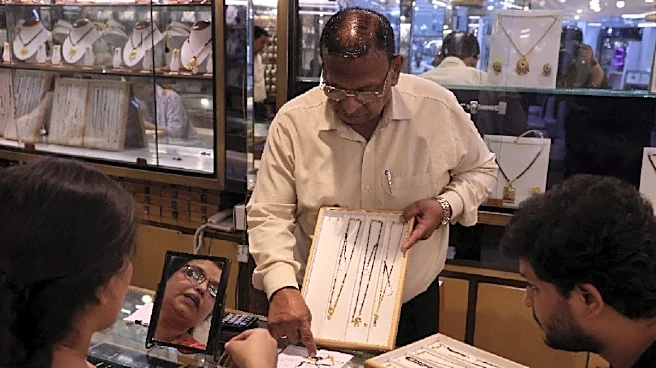
Consumers are likely to see an immediate impact through higher jewellery prices. Import duties directly increase the landed cost of gold and silver, which eventually gets passed on through higher retail prices, making charges and premiums.
Jewellers and analysts expect many households to postpone fresh purchases, exchange old jewellery or shift toward lighter-weight products.
Suvankar Sen, MD and CEO, Senco Gold, said the duty hike could lead to a 10–15% decline in gold imports while encouraging customers to exchange old gold for new jewellery.
How could jewellers be affected?
The move could create short-term pressure on jewellery retailers because elevated prices may weaken discretionary demand. However, organised jewellers are also likely to push gold exchange programmes, recycled gold and monetisation schemes more aggressively.
Malabar Gold & Diamonds has already backed the government’s call for responsible gold consumption and proposed reforms to strengthen the Gold Monetisation Scheme (GMS).
The company recommended measures such as lower minimum deposit requirements, easier e-KYC, flexible redemption options and greater participation by organised jewellers. The broader aim is to bring more idle household gold into the formal economy and reduce dependence on imports.
India is estimated to hold 25,000–35,000 tonnes of privately owned gold, much of which remains economically idle.
Could smuggling rise again?
That remains one of the biggest concerns for the industry. Higher import duties widen the price gap between domestic and international markets, increasing incentives for illegal imports.
The government had cut duties in 2024 partly to reduce smuggling, which had become more profitable after earlier tax hikes.
Industry participants now warn that grey market activity could increase again if elevated duties remain in place for an extended period.
What does this mean for investors?
For investors, the move reinforces gold’s position as a safe-haven asset during periods of geopolitical uncertainty, rupee weakness and volatile equity markets.
Gold prices have rallied sharply over the past year due to geopolitical tensions, sticky global inflation and expectations around US interest rates. Inflows into Indian gold ETFs have also surged as investors seek defensive assets.
However, higher import duties could increase the premium Indian consumers pay over international gold prices.
What happens next?
Much will depend on the duration of the West Asia conflict and the trajectory of oil prices.
Kotak Institutional Equities said the government may eventually consider additional measures if external pressures worsen, including further taxation steps or policies aimed at reducing imports and attracting capital inflows.
For now, the duty hike signals that the government is prioritising macroeconomic stability and foreign exchange conservation, even if it slows bullion demand in the near term.
-With agencies inputs
The move came just days after Prime Minister Narendra Modi urged citizens to postpone gold purchases, reduce fuel consumption and avoid unnecessary foreign travel to help conserve foreign exchange reserves as oil prices remain elevated.
What has changed?
Effective May 13, the government increased the effective import duty on gold and silver to 15%, up from 6%. The revised structure includes a 10% basic customs duty along with a 5% Agriculture Infrastructure and Development Cess (AIDC).
The latest hike partially reverses the customs duty cut announced in the 2024-25 Budget, when the government had reduced import duty on gold to 6% to support the gems and jewellery industry, bring down local prices and curb smuggling.
Why has the government raised duties now?
The decision is largely aimed at reducing pressure on India’s external finances at a time when the country is already dealing with elevated oil and fertiliser import costs due to the ongoing conflict in West Asia.
India imports most of the gold it consumes and remains heavily dependent on imported crude oil and LPG.
With disruptions around the Strait of Hormuz raising concerns over energy supplies and prices, policymakers are trying to limit non-essential imports that increase dollar outflows.
India’s gold imports surged more than 24% to a record $71.98 billion in FY26, even though import volumes fell. The increase was largely driven by soaring global gold prices.
At the same time, the rupee hit a record low against the US dollar this week, intensifying concerns over the current account deficit (CAD) and the balance of payments (BoP).
Chief Economic Advisor V Anantha Nageswaran described the West Asia crisis as a “live balance of payments stress test” with implications for inflation, the current account and the exchange rate.
Why gold imports matter so much to India
India is the world’s second-largest gold consumer after China, importing nearly 700–800 tonnes annually. Gold demand in India is driven by jewellery purchases, weddings, festivals and investment demand.
But heavy gold imports also lead to large foreign exchange outflows, especially when prices are high.
The government appears to be trying to reduce avoidable imports at a time when the oil import bill is already under strain.
What does this mean for buyers?
Consumers are likely to see an immediate impact through higher jewellery prices. Import duties directly increase the landed cost of gold and silver, which eventually gets passed on through higher retail prices, making charges and premiums.
Jewellers and analysts expect many households to postpone fresh purchases, exchange old jewellery or shift toward lighter-weight products.
Suvankar Sen, MD and CEO, Senco Gold, said the duty hike could lead to a 10–15% decline in gold imports while encouraging customers to exchange old gold for new jewellery.
How could jewellers be affected?
The move could create short-term pressure on jewellery retailers because elevated prices may weaken discretionary demand. However, organised jewellers are also likely to push gold exchange programmes, recycled gold and monetisation schemes more aggressively.
Malabar Gold & Diamonds has already backed the government’s call for responsible gold consumption and proposed reforms to strengthen the Gold Monetisation Scheme (GMS).
The company recommended measures such as lower minimum deposit requirements, easier e-KYC, flexible redemption options and greater participation by organised jewellers. The broader aim is to bring more idle household gold into the formal economy and reduce dependence on imports.
India is estimated to hold 25,000–35,000 tonnes of privately owned gold, much of which remains economically idle.
Could smuggling rise again?
That remains one of the biggest concerns for the industry. Higher import duties widen the price gap between domestic and international markets, increasing incentives for illegal imports.
The government had cut duties in 2024 partly to reduce smuggling, which had become more profitable after earlier tax hikes.
Industry participants now warn that grey market activity could increase again if elevated duties remain in place for an extended period.
What does this mean for investors?
For investors, the move reinforces gold’s position as a safe-haven asset during periods of geopolitical uncertainty, rupee weakness and volatile equity markets.
Gold prices have rallied sharply over the past year due to geopolitical tensions, sticky global inflation and expectations around US interest rates. Inflows into Indian gold ETFs have also surged as investors seek defensive assets.
However, higher import duties could increase the premium Indian consumers pay over international gold prices.
What happens next?
Much will depend on the duration of the West Asia conflict and the trajectory of oil prices.
Kotak Institutional Equities said the government may eventually consider additional measures if external pressures worsen, including further taxation steps or policies aimed at reducing imports and attracting capital inflows.
For now, the duty hike signals that the government is prioritising macroeconomic stability and foreign exchange conservation, even if it slows bullion demand in the near term.
-With agencies inputs

/images/ppid_59c68470-image-177860003642019301.webp)
/images/ppid_59c68470-image-177855264332452312.webp)
/images/ppid_59c68470-image-177847503160241483.webp)
/images/ppid_59c68470-image-177847282585122485.webp)
/images/ppid_59c68470-image-177851753311348026.webp)
/images/ppid_59c68470-image-177848003988551575.webp)
/images/ppid_59c68470-image-177864253953525154.webp)