/images/ppid_59c68470-image-179058006456746292.webp)

/images/ppid_59c68470-image-179070252277013713.webp)
/images/ppid_59c68470-image-179058502781164066.webp)

What is the story about?
Competition in India’s quick-commerce market could moderate further as Amazon and Flipkart approach a key scale milestone, according to Jignanshu Gor, Director & Senior Research Analyst at Bernstein.
Quick Commerce Heats
Gor said crossing 1,000 dark stores and small warehouses located close to customers for faster deliveries is an important benchmark. At that scale, companies can cover more of the top cities and build enough order volumes to focus more closely on unit economics, or how much they earn or lose on each order.
“We have seen most companies take a pause, take a breather, and figure out how the unit economics evolve after that,” Gor said.
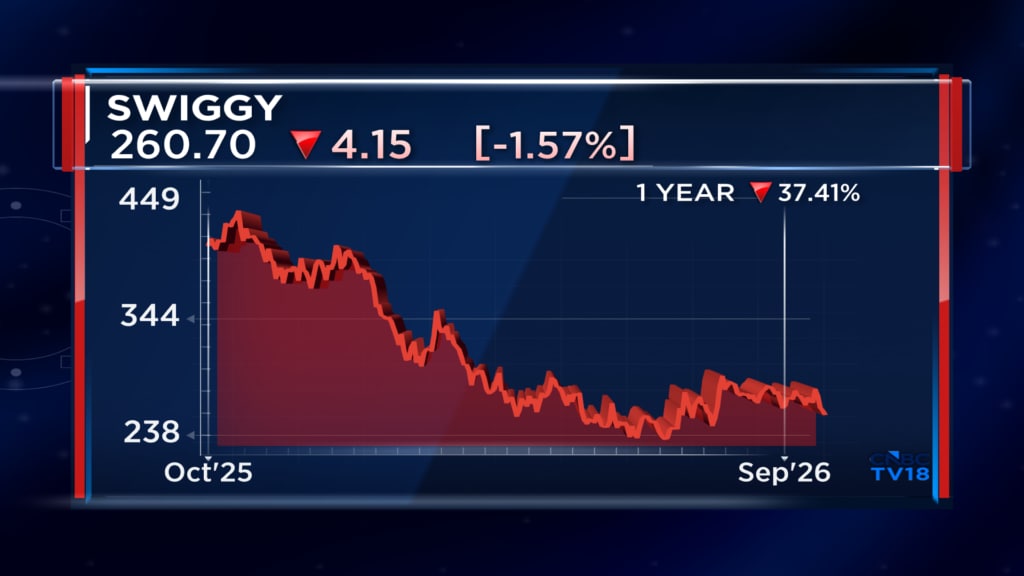
The market has expanded from the earlier three-player structure, with Amazon and Flipkart accelerating their quick-commerce expansion over the past year. Blinkit continues to lead, while Zepto and Swiggy remain key players.
Racing With Dark Stores
Bernstein also sees some moderation in price-led competition. Blinkit and Swiggy have reduced aggressive pricing, while Zepto has cut discounts and shifted some of its marketing spending towards Zepto Club, its membership-based model. Amazon and Flipkart, meanwhile, are still focused on acquiring customers but are gradually reducing the incentives offered to them.
Gor expects competitive intensity to moderate further once the newer players reach greater scale. Flipkart is broadly approaching the 1,000-store mark, while Amazon could potentially reach it by the festive season. The next phase could therefore be more about improving profitability rather than simply expanding the customer base.
Bernstein estimates Blinkit currently has around 45-55% of the quick-commerce market by order volume. However, Gor cautioned that market-share estimates are difficult because Amazon, Flipkart and Zepto are private companies.
He also pointed out that the newer players are growing faster than Blinkit because of the difference in their respective bases. For investors, however, Gor said value market share is more relevant than simply looking at order volumes.
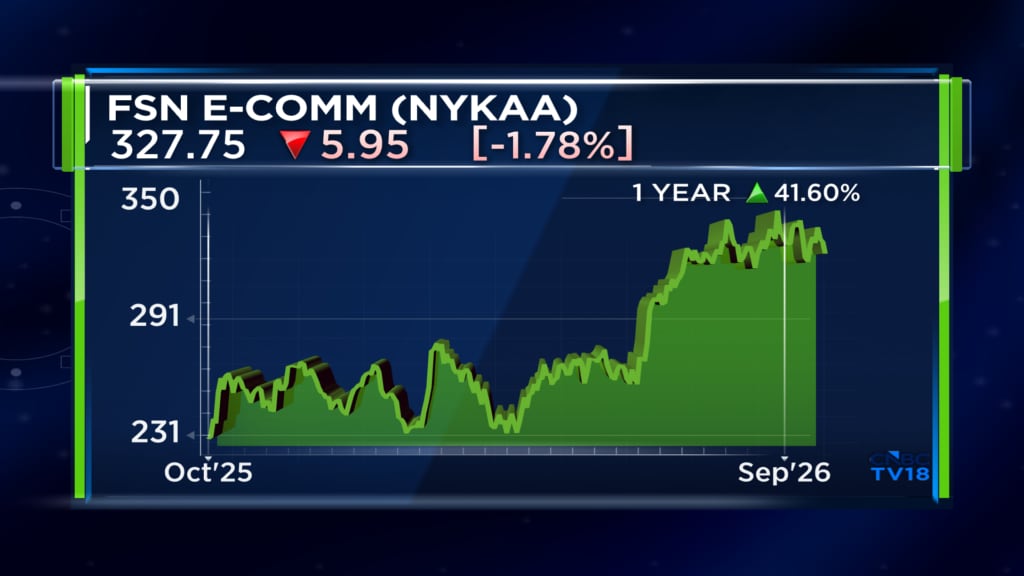
Moving to Bernstein’s recent coverage, Gor said the firm sees FSN E-Commerce Ventures (Nykaa) and Meesho differently despite both being high-valuation stocks. For Nykaa, its focus on beauty and fashion and its concentration on top-of-the-pyramid consumers provide greater visibility on how the business can replicate its existing profitability-led model.
For Meesho, the consumer franchise is much larger, with nearly 300 million consumers transacting on the platform every year. However, Bernstein wants more proof that the company can generate substantial profit margins over the long term.
“What we are sceptical on, or where we need more proof points, is the ability to generate substantial profit margins in the long run,” Gor said.
In the jewellery and retail space, Gor said Titan Company remains a company Bernstein expects to perform well. The brokerage has raised its target price to ₹5,400.
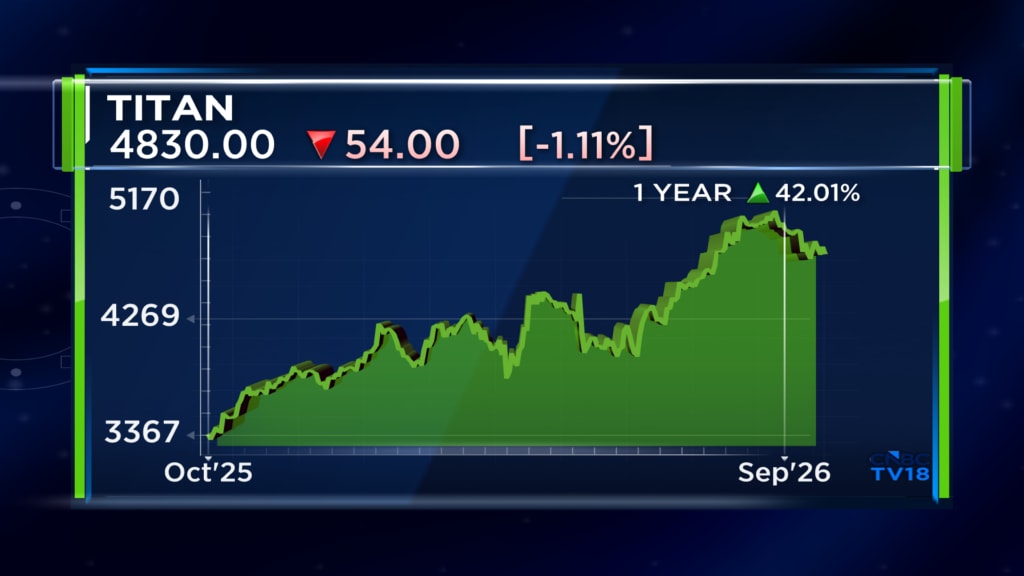
The immediate challenge is the low year-on-year growth in gold prices, which means Titan will need stronger buyer growth to drive revenue. Gor said management’s strategy of attracting more consumers, even at the cost of discounts and lower margins, could help the company gain revenue and market share.
Watch the full conversation here
Gor also highlighted what he sees as a key difference between Titan and many other listed jewellery companies: its focus on being a retailer rather than simply a jeweller.
“The growth process is more sustainable. The internal approach is more longer term and sustainable, and that is what builds brands,” he said.
Catch all the latest updates from the stock market here
Quick Commerce Heats
Gor said crossing 1,000 dark stores and small warehouses located close to customers for faster deliveries is an important benchmark. At that scale, companies can cover more of the top cities and build enough order volumes to focus more closely on unit economics, or how much they earn or lose on each order.
“We have seen most companies take a pause, take a breather, and figure out how the unit economics evolve after that,” Gor said.
The market has expanded from the earlier three-player structure, with Amazon and Flipkart accelerating their quick-commerce expansion over the past year. Blinkit continues to lead, while Zepto and Swiggy remain key players.
Racing With Dark Stores
Bernstein also sees some moderation in price-led competition. Blinkit and Swiggy have reduced aggressive pricing, while Zepto has cut discounts and shifted some of its marketing spending towards Zepto Club, its membership-based model. Amazon and Flipkart, meanwhile, are still focused on acquiring customers but are gradually reducing the incentives offered to them.
Gor expects competitive intensity to moderate further once the newer players reach greater scale. Flipkart is broadly approaching the 1,000-store mark, while Amazon could potentially reach it by the festive season. The next phase could therefore be more about improving profitability rather than simply expanding the customer base.
Bernstein estimates Blinkit currently has around 45-55% of the quick-commerce market by order volume. However, Gor cautioned that market-share estimates are difficult because Amazon, Flipkart and Zepto are private companies.
He also pointed out that the newer players are growing faster than Blinkit because of the difference in their respective bases. For investors, however, Gor said value market share is more relevant than simply looking at order volumes.
Moving to Bernstein’s recent coverage, Gor said the firm sees FSN E-Commerce Ventures (Nykaa) and Meesho differently despite both being high-valuation stocks. For Nykaa, its focus on beauty and fashion and its concentration on top-of-the-pyramid consumers provide greater visibility on how the business can replicate its existing profitability-led model.
For Meesho, the consumer franchise is much larger, with nearly 300 million consumers transacting on the platform every year. However, Bernstein wants more proof that the company can generate substantial profit margins over the long term.
“What we are sceptical on, or where we need more proof points, is the ability to generate substantial profit margins in the long run,” Gor said.
In the jewellery and retail space, Gor said Titan Company remains a company Bernstein expects to perform well. The brokerage has raised its target price to ₹5,400.
The immediate challenge is the low year-on-year growth in gold prices, which means Titan will need stronger buyer growth to drive revenue. Gor said management’s strategy of attracting more consumers, even at the cost of discounts and lower margins, could help the company gain revenue and market share.
Watch the full conversation here
Gor also highlighted what he sees as a key difference between Titan and many other listed jewellery companies: its focus on being a retailer rather than simply a jeweller.
“The growth process is more sustainable. The internal approach is more longer term and sustainable, and that is what builds brands,” he said.
Catch all the latest updates from the stock market here
/images/ppid_59c68470-image-179074753036220922.webp)


/images/ppid_59c68470-image-179070511924923696.webp)


/images/ppid_59c68470-image-179068251832747855.webp)
/images/ppid_59c68470-image-179065752357750905.webp)

/images/ppid_59c68470-image-179068752624112524.webp)