/images/ppid_59c68470-image-178092008743732551.webp)

/images/ppid_59c68470-image-178066757344654423.webp)

What is the story about?
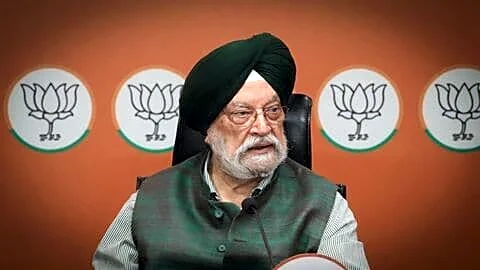
India expects prices of both oil and gas to drop in the coming months, with enough stocks available despite the U.S.-Israeli war with Iran that has squeezed energy supplies, Oil Minister Hardeep Singh Puri told broadcaster CNN-News18 on Monday.
Here are some details.
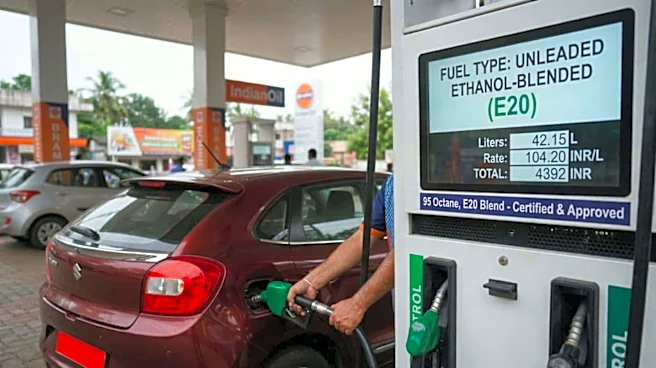
• Indian state retailers have raised fuel prices four times since mid-May to offset the impact of supply disruptions caused by the war, after holding off earlier amid state elections.
• Petrol price is now about 7.8% higher while diesel is up 8.6%.
• Oil prices cannot remain at their current height for ”a very long time” and are expected to fall in the months ahead, Puri said.
• The situation, however, may become ”worrying” if the Gulf crisis expands to other theatres, he said, adding that New Delhi has oil and gas reserves to last 76-80 days.
• Global oil prices have surged 40% to trade near $100 a barrel since the war restricted shipments through the Strait of Hormuz, which served as a passage for roughly one-fifth of the world’s oil and gas supplies before the conflict.
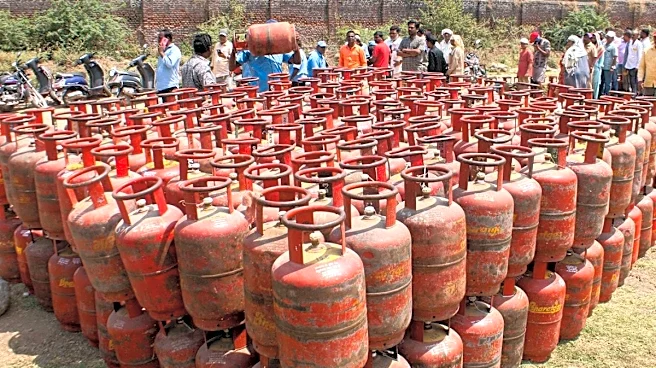
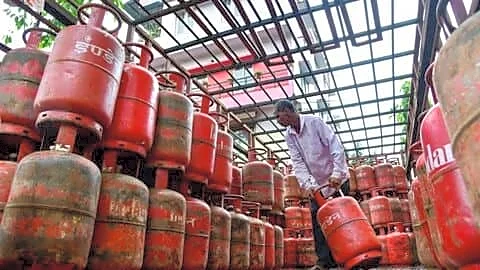
• India sourced more than 40% of its crude imports and about 90% of its liquefied petroleum gas imports, used for cooking, through the conduit before fighting erupted in February.
• Puri also said he expected suppliers from the Western Hemisphere, including the U.S. and Canada, to make up for shortages.
• India has repeatedly called for dialogue and diplomacy to end the war that has disrupted trade and travel, and killed thousands of people.
• On Monday, the Indian foreign ministry expressed ”utmost concern” over renewed hostilities and called on all parties to immediately de-escalate tensions and conclude ongoing negotiations for a diplomatic solution.
Here are some details.
• Indian state retailers have raised fuel prices four times since mid-May to offset the impact of supply disruptions caused by the war, after holding off earlier amid state elections.
• Petrol price is now about 7.8% higher while diesel is up 8.6%.
• Oil prices cannot remain at their current height for ”a very long time” and are expected to fall in the months ahead, Puri said.
• The situation, however, may become ”worrying” if the Gulf crisis expands to other theatres, he said, adding that New Delhi has oil and gas reserves to last 76-80 days.
• Global oil prices have surged 40% to trade near $100 a barrel since the war restricted shipments through the Strait of Hormuz, which served as a passage for roughly one-fifth of the world’s oil and gas supplies before the conflict.
• India sourced more than 40% of its crude imports and about 90% of its liquefied petroleum gas imports, used for cooking, through the conduit before fighting erupted in February.
• Puri also said he expected suppliers from the Western Hemisphere, including the U.S. and Canada, to make up for shortages.
• India has repeatedly called for dialogue and diplomacy to end the war that has disrupted trade and travel, and killed thousands of people.
• On Monday, the Indian foreign ministry expressed ”utmost concern” over renewed hostilities and called on all parties to immediately de-escalate tensions and conclude ongoing negotiations for a diplomatic solution.
/images/ppid_59c68470-image-178089503142770047.webp)



/images/ppid_59c68470-image-178084007032059614.webp)
/images/ppid_59c68470-image-17809150677144432.webp)
/images/ppid_59c68470-image-178089756597095710.webp)