/images/ppid_59c68470-image-178343502388375164.webp)






What is the story about?
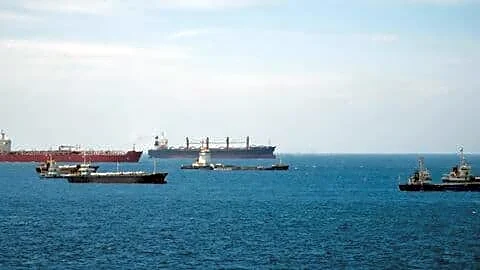
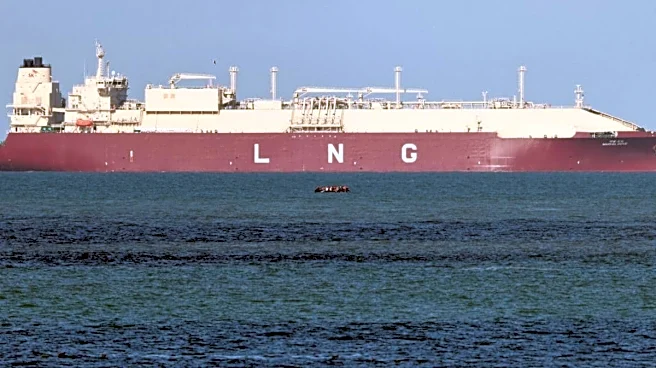
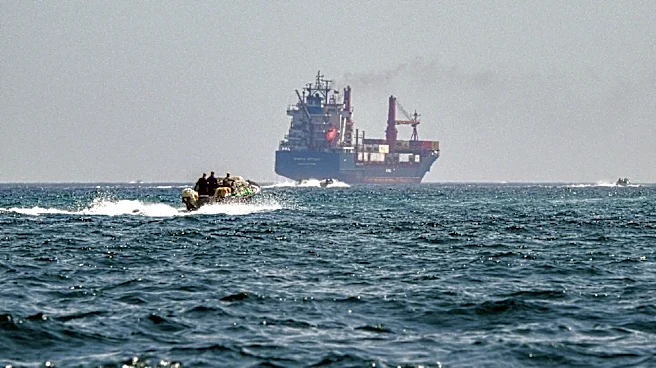
A fresh projectile attack on a liquefied natural gas (LNG) tanker near the coast of Oman has once again put the spotlight on the Strait of Hormuz, one of the world's most critical energy chokepoints. Yet, unlike previous geopolitical crises in the Gulf, oil prices have risen only modestly and commercial shipping through the strait has continued.
The relatively calm market reaction reflects three key factors: uninterrupted oil flows, ample global crude supplies and growing confidence that isolated security incidents are unlikely to escalate into a prolonged disruption of energy exports. Analysts say traders are increasingly distinguishing between geopolitical headlines and genuine threats to supply.
Why have oil prices remained stable?
The Strait of Hormuz handles nearly a fifth of the world's oil trade, making any disruption a major concern for global energy markets. However, experts say the latest attacks have not materially affected the movement of crude oil or LNG cargoes.
Muyu Xu, Senior Crude Oil Analyst at Kpler, said it was still too early to assess the full impact of the latest incident but noted that similar attacks in the past had caused only temporary hesitation among shipowners rather than widespread disruption.
"Overall, oil has continued to flow, although the daily numbers fluctuate, and that's part of the reason why oil prices haven't gone back, let's say, to the $90s."
Shipping data reinforces that assessment. According to Kpler, 108 vessels crossed the Strait of Hormuz between July 3 and July 5 despite heightened security concerns, suggesting that commercial traffic has remained resilient.
Why are markets no longer panicking over Hormuz?
According to energy expert Narendra Taneja, traders now view such incidents as part of the operating environment in the Gulf rather than as extraordinary events that automatically threaten global oil supplies.
He said most crude oil and LNG tankers have increasingly favoured the Omani shipping lane, keeping as much distance as possible from the Iranian coastline. That routing strategy has helped minimise operational disruptions even when regional tensions flare.
Taneja believes markets are now pricing in the likelihood of periodic security incidents instead of assuming every attack will trigger a broader regional conflict.
"Markets are mature. I think they factor in all these things."
He also pointed to comments by US President Donald Trump, saying investors believe Washington is keen to avoid a prolonged conflict in the region, reducing fears of a major supply shock.
Why is Iran pushing ships towards its route?
At the heart of the issue is a contest over navigation through the Strait of Hormuz.
Iran has repeatedly insisted that vessels use the navigation corridor along its coastline, while many shipowners have preferred the Omani channel, which they consider safer.
Xu believes Tehran is seeking to reinforce its strategic leverage over one of the world's busiest maritime trade routes. While Iran may ultimately want greater control over shipping, including the possibility of transit-related administrative charges, she believes achieving that objective would be difficult because Gulf countries and major importers such as India and China would strongly resist higher shipping costs.
Rather than signalling an imminent policy shift, Xu sees Iran's position as part of a broader negotiating strategy ahead of future diplomatic talks.
Why hasn't tanker traffic fallen sharply?
Geopolitical expert and author Anju Gupta believes the latest developments are better understood as part of an ongoing contest between the Iranian and Omani shipping corridors than as evidence of an imminent blockade.
Of the 108 verified vessels that crossed the Strait of Hormuz between July 3 and July 5, 44 used the Iranian route, 30 used the Omani route, 10 followed the International Maritime Organization-designated channel, while 24 switched off their transponders, making their precise route impossible to verify.
Even with some vessels disabling their tracking systems, the figures indicate that commercial shipping has continued rather than avoiding the strait altogether.
"The traffic that has resumed over the past few days is still continuing. It is resilient."
Why are Saudi crude prices falling despite geopolitical tensions?
The market's confidence is also being reinforced by another factor: abundant oil supplies.
Saudi Arabia has cut the official selling price of its flagship crude for Asian buyers by the biggest margin in at least 26 years, a move that appears counterintuitive at a time of heightened geopolitical tensions.
Analysts, however, say the price cuts reflect commercial competition rather than concern over weakening demand.
Xu said producers are preparing for the possibility that geopolitical uncertainty could complicate exports in the weeks ahead. By offering more competitive prices now, exporters can secure sales before any potential disruption.
She expects stronger price competition in the near term but does not view it as the start of a full-scale price war.
Saudi crude also remains more expensive than comparable grades from Abu Dhabi, Iran and Kuwait, highlighting the ample supply currently available in the market.
Taneja interprets the discounts differently. In his view, Saudi Arabia is signalling to key Asian customers, including India, China, Japan and South Korea, that it wants to reinforce long-term energy relationships after months of regional uncertainty.
He expects the discounts to prove temporary rather than marking the beginning of a prolonged battle for market share.
Why do Iran-US negotiations matter?
Another reason markets have remained relatively calm is the expectation that diplomatic engagement between Iran and the United States will continue.
While both sides are working within a 60-day memorandum of understanding, Gupta believes a final agreement is unlikely within that timeframe and expects negotiations to be extended.
That could prolong uncertainty but does not necessarily increase the risk of an immediate supply crisis.
Xu also believes producers are positioning themselves for multiple outcomes by keeping exports flowing while negotiations continue.
What does this mean for India?
For India, which imports more than 85% of its crude oil requirements, relatively stable global oil prices are a positive development.
Lower official selling prices from Gulf producers could reduce import costs in the near term, while greater competition among exporters gives Indian refiners stronger bargaining power.
Gupta expects India to continue diversifying its energy imports even as competitively priced Middle Eastern crude becomes more readily available.
During the recent West Asia crisis, India sourced energy supplies from around 40 countries, reflecting its strategy of reducing dependence on any single region. At the same time, if Gulf producers continue offering attractive prices, Indian refiners are likely to take advantage of lower costs while maintaining a diversified import basket.
The bottom line
The latest attack near the Strait of Hormuz has once again highlighted the region's geopolitical risks, but it has not changed the market's broader assessment that global oil supplies remain secure.
Commercial shipping continues, producers are competing aggressively for buyers and traders are increasingly focusing on actual disruptions to oil flows rather than isolated security incidents.
For now, the market's message is clear: geopolitical tensions alone are no longer enough to trigger a sustained rally in oil prices. Unless the conflict begins disrupting crude exports through the Strait of Hormuz, analysts expect supply to remain adequate and price volatility to stay contained, allowing major importers such as India to continue benefiting from relatively stable crude prices despite persistent uncertainty.
The relatively calm market reaction reflects three key factors: uninterrupted oil flows, ample global crude supplies and growing confidence that isolated security incidents are unlikely to escalate into a prolonged disruption of energy exports. Analysts say traders are increasingly distinguishing between geopolitical headlines and genuine threats to supply.
Why have oil prices remained stable?
The Strait of Hormuz handles nearly a fifth of the world's oil trade, making any disruption a major concern for global energy markets. However, experts say the latest attacks have not materially affected the movement of crude oil or LNG cargoes.
Muyu Xu, Senior Crude Oil Analyst at Kpler, said it was still too early to assess the full impact of the latest incident but noted that similar attacks in the past had caused only temporary hesitation among shipowners rather than widespread disruption.
"Overall, oil has continued to flow, although the daily numbers fluctuate, and that's part of the reason why oil prices haven't gone back, let's say, to the $90s."
Shipping data reinforces that assessment. According to Kpler, 108 vessels crossed the Strait of Hormuz between July 3 and July 5 despite heightened security concerns, suggesting that commercial traffic has remained resilient.
Why are markets no longer panicking over Hormuz?
According to energy expert Narendra Taneja, traders now view such incidents as part of the operating environment in the Gulf rather than as extraordinary events that automatically threaten global oil supplies.
He said most crude oil and LNG tankers have increasingly favoured the Omani shipping lane, keeping as much distance as possible from the Iranian coastline. That routing strategy has helped minimise operational disruptions even when regional tensions flare.
Taneja believes markets are now pricing in the likelihood of periodic security incidents instead of assuming every attack will trigger a broader regional conflict.
"Markets are mature. I think they factor in all these things."
He also pointed to comments by US President Donald Trump, saying investors believe Washington is keen to avoid a prolonged conflict in the region, reducing fears of a major supply shock.
Why is Iran pushing ships towards its route?
At the heart of the issue is a contest over navigation through the Strait of Hormuz.
Iran has repeatedly insisted that vessels use the navigation corridor along its coastline, while many shipowners have preferred the Omani channel, which they consider safer.
Xu believes Tehran is seeking to reinforce its strategic leverage over one of the world's busiest maritime trade routes. While Iran may ultimately want greater control over shipping, including the possibility of transit-related administrative charges, she believes achieving that objective would be difficult because Gulf countries and major importers such as India and China would strongly resist higher shipping costs.
Rather than signalling an imminent policy shift, Xu sees Iran's position as part of a broader negotiating strategy ahead of future diplomatic talks.
Why hasn't tanker traffic fallen sharply?
Geopolitical expert and author Anju Gupta believes the latest developments are better understood as part of an ongoing contest between the Iranian and Omani shipping corridors than as evidence of an imminent blockade.
Of the 108 verified vessels that crossed the Strait of Hormuz between July 3 and July 5, 44 used the Iranian route, 30 used the Omani route, 10 followed the International Maritime Organization-designated channel, while 24 switched off their transponders, making their precise route impossible to verify.
Even with some vessels disabling their tracking systems, the figures indicate that commercial shipping has continued rather than avoiding the strait altogether.
"The traffic that has resumed over the past few days is still continuing. It is resilient."
Why are Saudi crude prices falling despite geopolitical tensions?
The market's confidence is also being reinforced by another factor: abundant oil supplies.
Saudi Arabia has cut the official selling price of its flagship crude for Asian buyers by the biggest margin in at least 26 years, a move that appears counterintuitive at a time of heightened geopolitical tensions.
Analysts, however, say the price cuts reflect commercial competition rather than concern over weakening demand.
Xu said producers are preparing for the possibility that geopolitical uncertainty could complicate exports in the weeks ahead. By offering more competitive prices now, exporters can secure sales before any potential disruption.
She expects stronger price competition in the near term but does not view it as the start of a full-scale price war.
Saudi crude also remains more expensive than comparable grades from Abu Dhabi, Iran and Kuwait, highlighting the ample supply currently available in the market.
Taneja interprets the discounts differently. In his view, Saudi Arabia is signalling to key Asian customers, including India, China, Japan and South Korea, that it wants to reinforce long-term energy relationships after months of regional uncertainty.
He expects the discounts to prove temporary rather than marking the beginning of a prolonged battle for market share.
Why do Iran-US negotiations matter?
Another reason markets have remained relatively calm is the expectation that diplomatic engagement between Iran and the United States will continue.
While both sides are working within a 60-day memorandum of understanding, Gupta believes a final agreement is unlikely within that timeframe and expects negotiations to be extended.
That could prolong uncertainty but does not necessarily increase the risk of an immediate supply crisis.
Xu also believes producers are positioning themselves for multiple outcomes by keeping exports flowing while negotiations continue.
What does this mean for India?
For India, which imports more than 85% of its crude oil requirements, relatively stable global oil prices are a positive development.
Lower official selling prices from Gulf producers could reduce import costs in the near term, while greater competition among exporters gives Indian refiners stronger bargaining power.
Gupta expects India to continue diversifying its energy imports even as competitively priced Middle Eastern crude becomes more readily available.
During the recent West Asia crisis, India sourced energy supplies from around 40 countries, reflecting its strategy of reducing dependence on any single region. At the same time, if Gulf producers continue offering attractive prices, Indian refiners are likely to take advantage of lower costs while maintaining a diversified import basket.
The bottom line
The latest attack near the Strait of Hormuz has once again highlighted the region's geopolitical risks, but it has not changed the market's broader assessment that global oil supplies remain secure.
Commercial shipping continues, producers are competing aggressively for buyers and traders are increasingly focusing on actual disruptions to oil flows rather than isolated security incidents.
For now, the market's message is clear: geopolitical tensions alone are no longer enough to trigger a sustained rally in oil prices. Unless the conflict begins disrupting crude exports through the Strait of Hormuz, analysts expect supply to remain adequate and price volatility to stay contained, allowing major importers such as India to continue benefiting from relatively stable crude prices despite persistent uncertainty.
/images/ppid_59c68470-image-178331752949026706.webp)
/images/ppid_59c68470-image-178341006408344713.webp)
/images/ppid_59c68470-image-178344256531955165.webp)


/images/ppid_59c68470-image-178344253181585478.webp)