/images/ppid_59c68470-image-178062258233945223.webp)

/images/ppid_59c68470-image-178036258877715081.webp)
/images/ppid_59c68470-image-178062253042469781.webp)
/images/ppid_59c68470-image-178038509833021515.webp)
What is the story about?
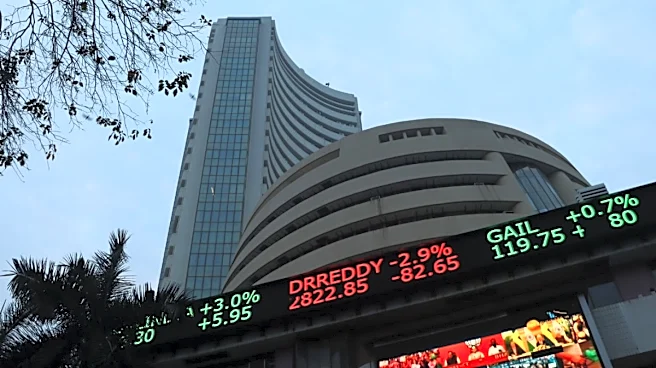
Asian shares fell with US equity index futures declining as well as enthusiasm for AI trade cooled post driving the markets to all time highs this year.
The MSCI's regional index declined 1.3%, with South Korea falling 5.7%.
Futures contracts for the Nasdaq 100 Index dropped over 1%, indicating a third day of losses for the tech-heavy gauge. On Thursday, investors rotated out of tech stocks and into a broader range of sectors, helping lift the Dow Jones Industrial Average to a record high.
Elsewhere, Brent steadied to trade around $95 a barrel on Friday. Crude fell in the previous session as investors bet the US and Iran were moving closer to a diplomatic breakthrough following a conditional ceasefire between Israel and Lebanon. Treasuries were little changed, while Bitcoin edged up to trade around $63,700.
The blistering rebound in semiconductor stocks from their war-driven lows paused after Broadcom Inc.’s outlook for AI-chip sales fell short of elevated expectations. Investors now face a crucial test on Friday with the US jobs report, which could reshape expectations for Federal Reserve policy and determine whether the AI-fueled rally broadens further or loses momentum.
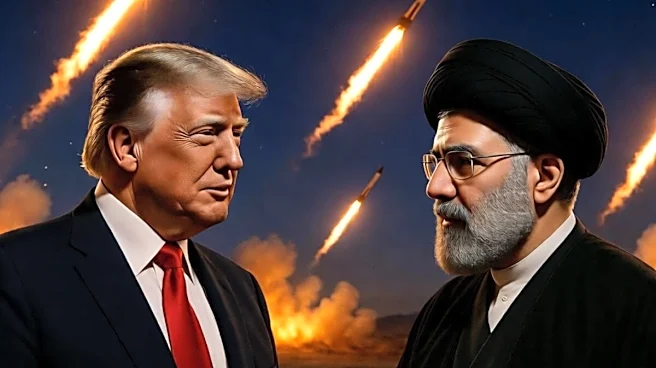
Meanwhile, President Donald Trump said ceasefire talks are in the “final” stages. Earlier, Iran’s foreign minister said the negotiations had stalled. On Wednesday, Iran fired missiles and drones at Kuwait and Bahrain, killing one person and injuring dozens at Kuwait’s main airport, after the US struck an oil tanker headed to the Islamic Republic.
In Lebanon, Hezbollah militants said they refused to abide by the conditions of a ceasefire announced by the US State Department only hours before.
In Asia, traders will be watching regional foreign-exchange markets after the South Korean won fell to its weakest level since 2009, underscoring the pressure some Asian currencies face as the Iran war drags on.
Also, global investors are rapidly losing confidence in Indonesia as the nation’s stocks tumble at the fastest pace worldwide and its currency sinks to all-time lows.
Policymakers are nearing the limits of their currency defenses, with authorities in Indonesia and the Philippines stepping up efforts to support their exchange rates.
The key for traders on Friday will be the monthly US employment numbers. Treasury bond traders, having bought into the prediction that the Fed will raise interest rates during the next 12 months, stand to pay a heavy price if US employment data for May are weak.
The May data is slated to be released at 8:30 a.m. in Washington. It’s expected to show an 85,000 increase in nonfarm payrolls, a three-month low, and an unchanged 4.3% unemployment rate, the median estimates of economists in a Bloomberg poll show.
With inputs from Bloomberg
The MSCI's regional index declined 1.3%, with South Korea falling 5.7%.
Futures contracts for the Nasdaq 100 Index dropped over 1%, indicating a third day of losses for the tech-heavy gauge. On Thursday, investors rotated out of tech stocks and into a broader range of sectors, helping lift the Dow Jones Industrial Average to a record high.
Elsewhere, Brent steadied to trade around $95 a barrel on Friday. Crude fell in the previous session as investors bet the US and Iran were moving closer to a diplomatic breakthrough following a conditional ceasefire between Israel and Lebanon. Treasuries were little changed, while Bitcoin edged up to trade around $63,700.
The blistering rebound in semiconductor stocks from their war-driven lows paused after Broadcom Inc.’s outlook for AI-chip sales fell short of elevated expectations. Investors now face a crucial test on Friday with the US jobs report, which could reshape expectations for Federal Reserve policy and determine whether the AI-fueled rally broadens further or loses momentum.
Meanwhile, President Donald Trump said ceasefire talks are in the “final” stages. Earlier, Iran’s foreign minister said the negotiations had stalled. On Wednesday, Iran fired missiles and drones at Kuwait and Bahrain, killing one person and injuring dozens at Kuwait’s main airport, after the US struck an oil tanker headed to the Islamic Republic.
In Lebanon, Hezbollah militants said they refused to abide by the conditions of a ceasefire announced by the US State Department only hours before.
In Asia, traders will be watching regional foreign-exchange markets after the South Korean won fell to its weakest level since 2009, underscoring the pressure some Asian currencies face as the Iran war drags on.
Also, global investors are rapidly losing confidence in Indonesia as the nation’s stocks tumble at the fastest pace worldwide and its currency sinks to all-time lows.
Policymakers are nearing the limits of their currency defenses, with authorities in Indonesia and the Philippines stepping up efforts to support their exchange rates.
The key for traders on Friday will be the monthly US employment numbers. Treasury bond traders, having bought into the prediction that the Fed will raise interest rates during the next 12 months, stand to pay a heavy price if US employment data for May are weak.
The May data is slated to be released at 8:30 a.m. in Washington. It’s expected to show an 85,000 increase in nonfarm payrolls, a three-month low, and an unchanged 4.3% unemployment rate, the median estimates of economists in a Bloomberg poll show.
With inputs from Bloomberg
/images/ppid_59c68470-image-178053757377541293.webp)
/images/ppid_59c68470-image-178045008580477439.webp)
/images/ppid_59c68470-image-178045005738361518.webp)
/images/ppid_59c68470-image-178061503373046988.webp)

/images/ppid_59c68470-image-178053760801243676.webp)

/images/ppid_59c68470-image-178036262157144385.webp)