/images/ppid_59c68470-image-177987015319129164.webp)

/images/ppid_59c68470-image-177971255950961418.webp)

/images/ppid_59c68470-image-17796650254532322.webp)
What is the story about?
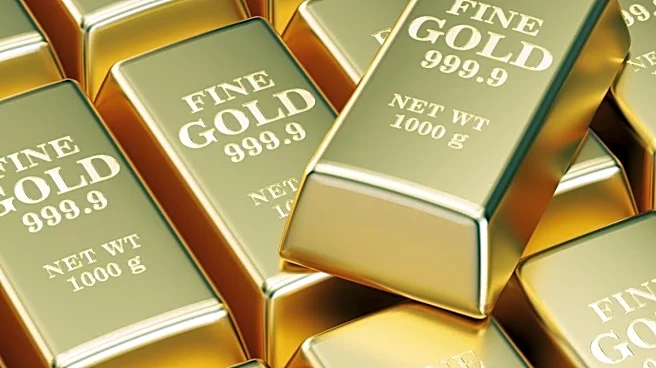
Gold prices traded cautiously in Indian commodity markets on Wednesday (May 27), with MCX gold for 10 grams remaining below the ₹1.58 lakh mark, while silver prices rebounded from earlier losses to trade around ₹2.72 lakh per kilogram.
In global markets, spot gold traded above $4,500 per ounce amid volatile movement, while spot silver remained under pressure in the $76–77 per ounce range.
Analysts said investor sentiment continued to be shaped by a softer US dollar, geopolitical uncertainty in West Asia, and concerns over the inflationary impact of elevated crude oil prices.
According to Gaurav Garg, research analyst at Lemonn Markets Desk, softer dollar has improved the appeal of precious metals for investors amid ongoing geopolitical tensions and volatility in energy markets.
At the same time, crude oil prices declined over 2% to around $91.91 per barrel due to concerns over demand and broader market corrections.
Market participants are closely watching crude oil because sustained volatility in energy prices can directly influence inflation expectations, interest rate outlooks, and broader risk sentiment across global markets.
According to Ruchit Thakur, Market Analyst at VT Markets, the crude oil market is currently balancing three competing forces — geopolitical supply risks, slowing global demand growth, and production management by OPEC producers.
Thakur noted that markets continue to price in a geopolitical risk premium due to vulnerabilities around key energy transit routes, particularly the Strait of Hormuz, through which roughly one-fifth of global oil flows pass. Concerns around sanctions-linked disruptions to Russian exports, shipping delays, higher insurance costs, and the Atlantic hurricane season are also adding to uncertainty in oil markets.
He said even limited disruptions could tighten global crude balances and fuel inflation concerns worldwide through higher fuel, freight, logistics, and industrial input costs.
Analysts said persistent oil volatility may complicate the policy outlook for central banks globally. Higher crude prices could keep inflation elevated even as economic growth slows, increasing fears of a stagflationary environment.
Thakur added that prolonged oil price swings could also affect broader financial markets by pushing up bond yields, strengthening the US dollar, and weighing on emerging market currencies and equities. Gold could benefit from geopolitical risks, although rising interest rates and a stronger dollar may cap gains in non-yielding assets.
Separately, Manav Modi, Commodities Analyst at Motilal Oswal Financial Services, said gold prices remained largely steady as investors monitored developments in US-Iran negotiations and the inflation outlook.
He noted that market sentiment stayed cautious after fresh US “defensive” strikes in southern Iran earlier this week near the Strait of Hormuz, followed by retaliatory missile fire from Iran. While diplomatic efforts toward a possible framework peace agreement continue, tensions in the region remain elevated.
Modi said gold has struggled to regain strong upward momentum as markets increasingly focus on the inflationary impact of high energy prices and expectations that major central banks may maintain a hawkish monetary policy stance.
According to him, markets are currently pricing in nearly a 40% probability of a US Federal Reserve rate hike by December. Higher bond yields and a firmer dollar have continued to pressure gold, although easing Treasury yields during the week provided some support.
In global markets, spot gold traded above $4,500 per ounce amid volatile movement, while spot silver remained under pressure in the $76–77 per ounce range.
Analysts said investor sentiment continued to be shaped by a softer US dollar, geopolitical uncertainty in West Asia, and concerns over the inflationary impact of elevated crude oil prices.
According to Gaurav Garg, research analyst at Lemonn Markets Desk, softer dollar has improved the appeal of precious metals for investors amid ongoing geopolitical tensions and volatility in energy markets.
At the same time, crude oil prices declined over 2% to around $91.91 per barrel due to concerns over demand and broader market corrections.
Market participants are closely watching crude oil because sustained volatility in energy prices can directly influence inflation expectations, interest rate outlooks, and broader risk sentiment across global markets.
According to Ruchit Thakur, Market Analyst at VT Markets, the crude oil market is currently balancing three competing forces — geopolitical supply risks, slowing global demand growth, and production management by OPEC producers.
Thakur noted that markets continue to price in a geopolitical risk premium due to vulnerabilities around key energy transit routes, particularly the Strait of Hormuz, through which roughly one-fifth of global oil flows pass. Concerns around sanctions-linked disruptions to Russian exports, shipping delays, higher insurance costs, and the Atlantic hurricane season are also adding to uncertainty in oil markets.
He said even limited disruptions could tighten global crude balances and fuel inflation concerns worldwide through higher fuel, freight, logistics, and industrial input costs.
Analysts said persistent oil volatility may complicate the policy outlook for central banks globally. Higher crude prices could keep inflation elevated even as economic growth slows, increasing fears of a stagflationary environment.
Thakur added that prolonged oil price swings could also affect broader financial markets by pushing up bond yields, strengthening the US dollar, and weighing on emerging market currencies and equities. Gold could benefit from geopolitical risks, although rising interest rates and a stronger dollar may cap gains in non-yielding assets.
Separately, Manav Modi, Commodities Analyst at Motilal Oswal Financial Services, said gold prices remained largely steady as investors monitored developments in US-Iran negotiations and the inflation outlook.
He noted that market sentiment stayed cautious after fresh US “defensive” strikes in southern Iran earlier this week near the Strait of Hormuz, followed by retaliatory missile fire from Iran. While diplomatic efforts toward a possible framework peace agreement continue, tensions in the region remain elevated.
Modi said gold has struggled to regain strong upward momentum as markets increasingly focus on the inflationary impact of high energy prices and expectations that major central banks may maintain a hawkish monetary policy stance.
According to him, markets are currently pricing in nearly a 40% probability of a US Federal Reserve rate hike by December. Higher bond yields and a firmer dollar have continued to pressure gold, although easing Treasury yields during the week provided some support.
/images/ppid_59c68470-image-177982003430154233.webp)



/images/ppid_59c68470-image-177984506692376375.webp)


/images/ppid_59c68470-image-177984753516197329.webp)
/images/ppid_59c68470-image-177972760188122747.webp)