


What is the story about?
BofA Global Research has upgraded its view on the Nifty after maintaining a bearish stance for more than two years, citing improving opportunities in largecap stocks. However, the brokerage continues to remain cautious on India's smallcap and midcap segment, saying valuations are still elevated despite the recent market correction.
Amish Shah, Head of India Research at BofA Global Research, said the brokerage now sees selective opportunities in the benchmark index but expects further downside in the broader market as earnings growth slows relative to valuations.
"We have now turned positive on Nifty. But that's where it stops," Shah said. "We do think that there are now pockets of opportunities, but on the other hand... there could be a deeper correction in small and midcaps."
Shah said BofA had downgraded Indian equities in August 2024 and has only now become constructive on the Nifty. The shift comes as valuations in largecap stocks have become more reasonable, while small- and mid-cap shares continue to trade at premiums that are difficult to justify.
According to Shah, the earnings growth advantage enjoyed by small- and mid-cap companies is narrowing significantly. He noted that these companies delivered around 15 percentage points of earnings growth above the Nifty between FY21 and FY24, which justified higher valuations. However, consensus estimates now suggest that premium could decline to around 8.5 percentage points over FY26-FY28.
"The valuation premium is 42%... whereas the earnings growth premium has halved," Shah said. "That makes us believe that there is a decent amount of correction left in the midcaps and smallcaps."
He added that it has become increasingly difficult to identify attractively valued companies in the segment as domestic mutual fund inflows have pushed up share prices across the broader market.
Shah said overseas investors remain cautious about India because of higher crude oil prices and elevated US Treasury yields, which have improved the relative appeal of developed-market fixed-income assets and other emerging markets.
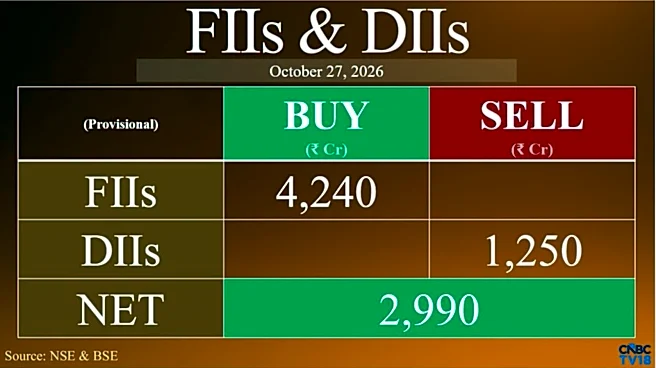
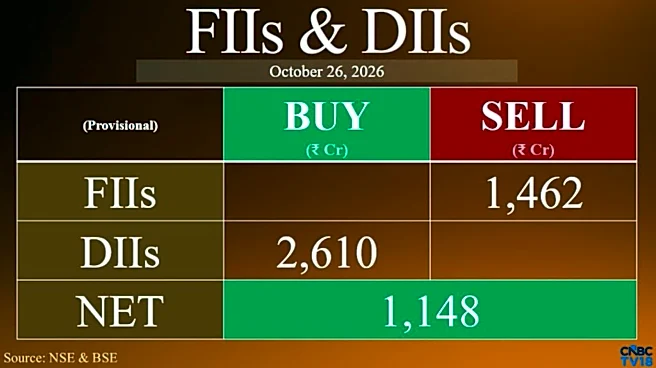
While he does not expect a sharp return of foreign institutional investor (FII) inflows anytime soon, he believes the pace of outflows should slow.
"Foreign investors are not in a hurry to look into India in a big way," he said. "But we do think that the pace of the FII outflow is now going to moderate."
Shah also remained cautious on the information technology sector despite the recent rally in IT stocks. He said Indian IT companies are expanding their role in artificial intelligence through enterprise transformation, automation and AI management services, but meaningful revenue growth is still several years away.
He expects most largecap IT companies to deliver only mid-single-digit earnings growth over the next year and believes the sector could move sideways in the near term.
"We do think that, for the next 12 months, difficult to make money in that space," Shah said, adding that stronger AI-led revenue growth may only emerge around FY28 or FY29.
Looking beyond the near-term market outlook, Shah reiterated BofA's positive view on India's shipbuilding industry. He said government policy support, including capital expenditure subsidies, production-linked incentives, financing schemes and new shipbuilding orders, has strengthened the long-term outlook for the sector.
He also highlighted precision manufacturing as an emerging structural theme, with auto component manufacturers expanding into aerospace, defence and semiconductor supply chains. However, he cautioned that valuations across many of these companies remain demanding, limiting their investment appeal at current levels.
For the full interview, watch the accompanying video
Catch all the latest updates from the stock market here