/images/ppid_59c68470-image-177009506770275533.webp)




What is the story about?
A major overhang for Indian markets has lifted, but investors may still need to read the fine print before celebrating. “This is positive from a sentiment point of view,” said Nilesh Shah of Kotak Mahindra Asset Management Company, referring to the easing of US tariff uncertainty that had been weighing on equities and the currency.
But he was quick to add a note of caution. “Devil is always in the details. We have to wait for the official documents to be released to figure out which sectors are benefiting. In this there will be give as well as take.”
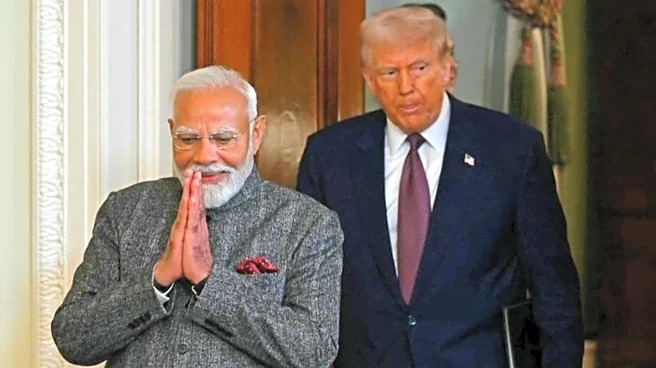
India and the United States announced a major trade agreement on February 2, cutting tariffs on Indian exports to 18% from 25%. In a post on Truth Social, US President Donald Trump said India would bring several trade barriers down to zero and also halt purchases of oil from Russia. He added that an extra 25% tariff penalty earlier imposed over India’s continued Russian oil imports would now be withdrawn.
Shah said the move removes a key worry for markets and could support sectors that were directly hit earlier, such as textiles, aquaculture, handicrafts, and gems and jewellery. But while the broad mood has improved, the real impact will depend on how the fine print shapes sector-wise benefits.
Indian markets opened sharply higher on February 3, with the Nifty jumping nearly 1,200 points at the open. The 50-stock index was up about 700 points up and moving closer to its all-time high of 26,373. The Sensex followed a similar trend, rising around 2,000 points and heading towards the 83,400 level.
Shah pointed out that timing could work in India’s favour in terms of flows.
“There are reasons for investors to be optimistic about earnings growth,” he said, as growth is seen recovering from single digits to double digits in the next financial year. Along with better sentiment and the prospect of other trade agreements kicking in, this could make Indian equities more attractive again.
Still, he tempered expectations on returns. “Stocks are slave of earnings,” he said, adding that while sentiment and flows can lift markets in the short term, long-term gains will largely depend on profit growth. He also reminded investors not to try to time every move. “Time in the market is what makes money for you, not timing the market.”
The message is simple: the mood has turned, but sustainable gains will depend on how earnings actually play out.
But he was quick to add a note of caution. “Devil is always in the details. We have to wait for the official documents to be released to figure out which sectors are benefiting. In this there will be give as well as take.”
India and the United States announced a major trade agreement on February 2, cutting tariffs on Indian exports to 18% from 25%. In a post on Truth Social, US President Donald Trump said India would bring several trade barriers down to zero and also halt purchases of oil from Russia. He added that an extra 25% tariff penalty earlier imposed over India’s continued Russian oil imports would now be withdrawn.
Shah said the move removes a key worry for markets and could support sectors that were directly hit earlier, such as textiles, aquaculture, handicrafts, and gems and jewellery. But while the broad mood has improved, the real impact will depend on how the fine print shapes sector-wise benefits.
Indian markets opened sharply higher on February 3, with the Nifty jumping nearly 1,200 points at the open. The 50-stock index was up about 700 points up and moving closer to its all-time high of 26,373. The Sensex followed a similar trend, rising around 2,000 points and heading towards the 83,400 level.
Shah pointed out that timing could work in India’s favour in terms of flows.
“There are reasons for investors to be optimistic about earnings growth,” he said, as growth is seen recovering from single digits to double digits in the next financial year. Along with better sentiment and the prospect of other trade agreements kicking in, this could make Indian equities more attractive again.
Still, he tempered expectations on returns. “Stocks are slave of earnings,” he said, adding that while sentiment and flows can lift markets in the short term, long-term gains will largely depend on profit growth. He also reminded investors not to try to time every move. “Time in the market is what makes money for you, not timing the market.”
The message is simple: the mood has turned, but sustainable gains will depend on how earnings actually play out.


/images/ppid_a911dc6a-image-177009332099565475.webp)

/images/ppid_a911dc6a-image-177009335141278519.webp)
/images/ppid_59c68470-image-177009256181678331.webp)
/images/ppid_59c68470-image-17700925927383210.webp)
/images/ppid_59c68470-image-177009252801420436.webp)
/images/ppid_59c68470-image-177009262426492849.webp)
/images/ppid_59c68470-image-177009255486794590.webp)