



What is the story about?
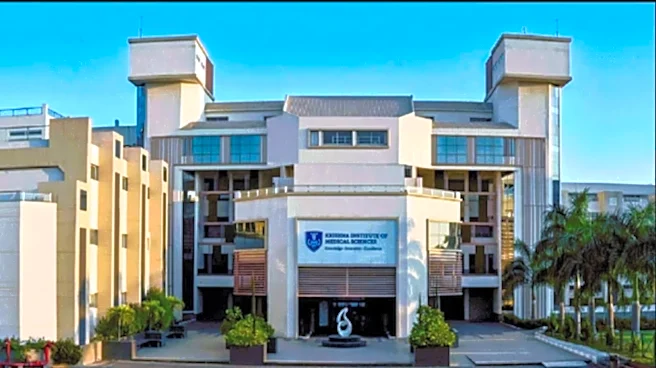
KIMS Hospitals is targeting 15-20% growth as its newly commissioned hospitals scale up, Bhaskar Rao, Chairman and Managing Director of KIMS Hospitals, said.
Rao said all recently commissioned hospitals, except one facility in Bengaluru, are already generating positive earnings before interest, taxes, depreciation, and amortisation (EBITDA), with the remaining hospital expected to turn profitable over the next one or two quarters.
"Definitely the growth will be much more quarter on quarter," Rao said. "The occupied beds can even come to 70-75% by the end of the next two quarters."
KIMS reported an occupancy of 54% in the second quarter, but Rao said the figure rises to about 65% based on currently operational beds following recent capacity additions in Thane, Bengaluru, Telangana and Andhra Pradesh.
He added that both patient volumes and financial performance are expected to improve as these facilities mature.
"The bottom line and the top line will be able to keep growing around 15-20%," Rao said, adding that average revenue per occupied bed (ARPOB) is also expected to maintain its current growth trajectory over the next few years.
The impact of the government's 30% trade margin cap on certain drugs on KIMS is expected to be limited because oncology contributes a relatively small share of the company's business. "Whatever little impact will be there, that can be compensated by volume growth," he said.
Rao said the company's expansion programme has largely been completed, with around ₹1,000 crore of committed capital expenditure to be spent over the next two years on projects already under execution.
With most of the heavy investment behind it, KIMS plans to shift its focus towards acquisitions.
The company currently has six hospitals under management contracts, along with call options to acquire them over time. Rao said these acquisitions will be funded through internal cash generation and, where required, additional borrowing.
He estimated that KIMS could pursue acquisitions worth ₹1,500-2,000 crore over the next three to five years.
The company expects debt to remain around 2.5 times EBITDA, although the ratio may increase temporarily if acquisitions are undertaken before returning to the targeted level.
He also indicated that free cash flow should improve as the newly opened hospitals stop requiring financial support from the parent company.
According to Rao, the hospitals commissioned over the past year had required nearly ₹220 crore of internal funding while they were generating negative EBITDA. With those facilities now nearing profitability, future operating cash flows will be available to fund acquisitions.
Going forward, KIMS expects EBITDA to reach ₹1,200-1,400 crore by 2027-28 (FY28), supported by higher occupancy, volume growth and the contribution from recently commissioned hospitals.
For the full interview, watch the accompanying video
Catch all the latest updates from the stock market here
Rao said all recently commissioned hospitals, except one facility in Bengaluru, are already generating positive earnings before interest, taxes, depreciation, and amortisation (EBITDA), with the remaining hospital expected to turn profitable over the next one or two quarters.
"Definitely the growth will be much more quarter on quarter," Rao said. "The occupied beds can even come to 70-75% by the end of the next two quarters."
KIMS reported an occupancy of 54% in the second quarter, but Rao said the figure rises to about 65% based on currently operational beds following recent capacity additions in Thane, Bengaluru, Telangana and Andhra Pradesh.
He added that both patient volumes and financial performance are expected to improve as these facilities mature.
"The bottom line and the top line will be able to keep growing around 15-20%," Rao said, adding that average revenue per occupied bed (ARPOB) is also expected to maintain its current growth trajectory over the next few years.
The impact of the government's 30% trade margin cap on certain drugs on KIMS is expected to be limited because oncology contributes a relatively small share of the company's business. "Whatever little impact will be there, that can be compensated by volume growth," he said.
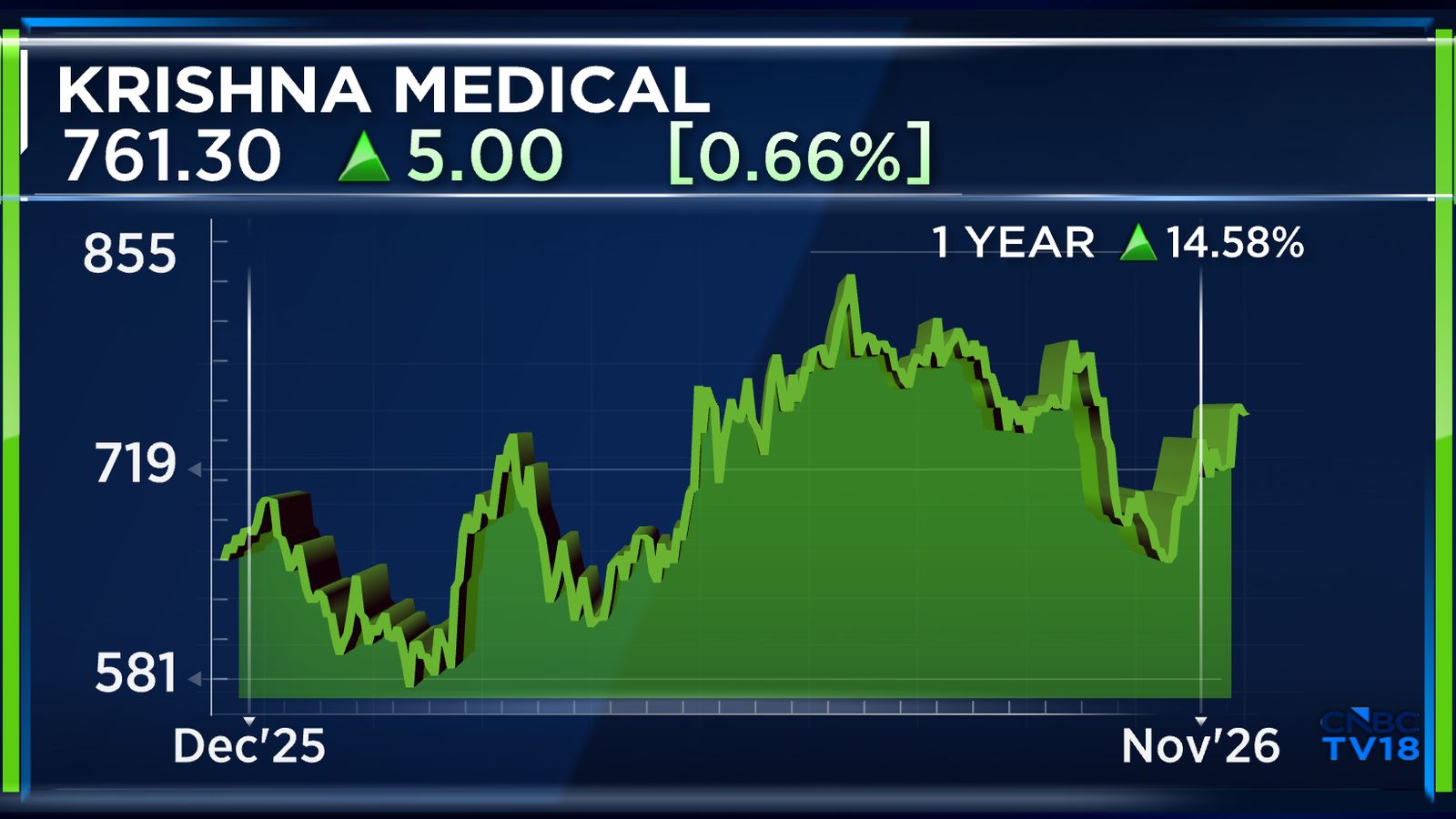
KIMS Hospitals shares were trading at ₹761.25 as of 10:56 am on the NSE. The company, which has a current market capitalisation of ₹31,851.19 crore, has seen its shares gain more than 14% over the last year.
Rao said the company's expansion programme has largely been completed, with around ₹1,000 crore of committed capital expenditure to be spent over the next two years on projects already under execution.
With most of the heavy investment behind it, KIMS plans to shift its focus towards acquisitions.
The company currently has six hospitals under management contracts, along with call options to acquire them over time. Rao said these acquisitions will be funded through internal cash generation and, where required, additional borrowing.
He estimated that KIMS could pursue acquisitions worth ₹1,500-2,000 crore over the next three to five years.
The company expects debt to remain around 2.5 times EBITDA, although the ratio may increase temporarily if acquisitions are undertaken before returning to the targeted level.
He also indicated that free cash flow should improve as the newly opened hospitals stop requiring financial support from the parent company.
According to Rao, the hospitals commissioned over the past year had required nearly ₹220 crore of internal funding while they were generating negative EBITDA. With those facilities now nearing profitability, future operating cash flows will be available to fund acquisitions.
Going forward, KIMS expects EBITDA to reach ₹1,200-1,400 crore by 2027-28 (FY28), supported by higher occupancy, volume growth and the contribution from recently commissioned hospitals.
For the full interview, watch the accompanying video
Catch all the latest updates from the stock market here