/images/ppid_59c68470-image-178357252488036660.webp)

/images/ppid_59c68470-image-178344256531955165.webp)
/images/ppid_59c68470-image-178333772972853686.webp)
/images/ppid_59c68470-image-178344253181585478.webp)


What is the story about?
India could be poised for stronger market performance in the second half of the year as earnings growth improves and gross domestic product (GDP) momentum remains resilient, according to Hartmut Issel, Head APAC Equities, Global Wealth Management & CIO at UBS.
He believes recent GDP downgrades have set a lower bar, while earnings are expected to return to double-digit growth after two subdued years.
Issel also expects the artificial intelligence (AI) investment theme to broaden beyond semiconductor stocks. While UBS has trimmed some exposure to semiconductors after their strong rally, it is gradually increasing exposure to hyperscalers and sees further portfolio adjustments as the AI spending cycle evolves.
This is an edited transcript of the interview.Q: How would you characterise the latest flare-up in the West Asia conflict? How serious is it to your mind?
A: We have seen a couple of these flare-ups already, and they don't really change our view. If I think about both parties involved, we are about three-and-a-half months away from the US midterm elections. Does the US want a high oil price? I think we all know the answer.
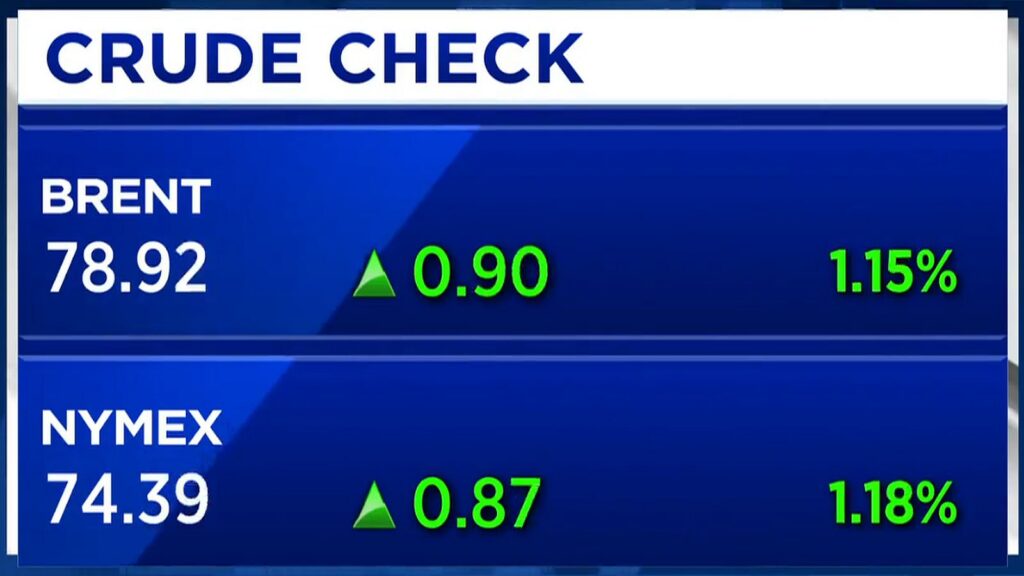
On the Iranian side as well, do they really want to forego oil revenues? They don't. So, it is a rocky path, no question about it, but our base case remains that both sides continue working towards an outcome.
Q: So, you're not too worried about President Donald Trump's statements or the continued strikes being reported in Iran. You don't think this changes the investment narrative or raises the risk of crude oil returning to previous highs, or Iran moving to close the Strait of Hormuz?
A: As an investor, you can never say there is absolutely no risk. But generally speaking, as long as the direction remains clear from both sides, and considering the timeline with the US midterm elections, our base case remains that the Strait of Hormuz stays open and oil flows continue.
Q: What's your view on the AI trade in the second half of the year? Over the past two months, leadership has shifted from the Magnificent Seven and hyperscalers to the picks-and-shovels players. UBS has also reduced its exposure to semiconductors after their strong rally. How do you see the AI trade evolving?
A: I think it will probably continue along the lines of how we have positioned ourselves recently. The hyperscalers in the US still have financial capacity, but they have already moved from funding investments through free cash flow to issuing bonds and, to some extent, even equity. That typically happens in the later stages of a spending cycle.
The market is also beginning to think about next year and even the year after. Broadly, we haven't changed our overall view, but, as you rightly mentioned, semiconductors have come down in our portfolio selections recently, while hyperscalers have started to move up a little. I wouldn't be surprised if we make more such adjustments during the second half.
Q: You have been fairly optimistic on India in the past, but the market has underperformed over the last 12 to 24 months. During the recent conflict, crude oil prices rose and Indian markets lagged, although oil is now trading at more manageable levels of around $80-85 per barrel. Do you believe India can outperform from here, especially with expectations of an earnings recovery?
A: I certainly think there is a case for further upside in India. Of course, any disruption around the Strait of Hormuz has historically not been positive for Indian markets, but our base case remains that it stays open. Beyond that, I see two important positives for India.
The first is GDP growth. We downgraded our growth estimates for the current fiscal year because of the Strait of Hormuz concerns, but as the situation has improved, we have already upgraded them slightly. More importantly, the downgrade has set a lower bar. Growth comes off a high base, stands at around 6.7% in our current estimate, and, in our view, returns to around 7% over the following two years. As an investor, you don't necessarily want to wait too long before taking advantage of that.
Watch the full conversation here
The second is earnings. For the last two fiscal years up to March, earnings growth has been around 6-7%, close to my own estimate of about 7%. That is not particularly strong for the Indian market over two consecutive years.
However, we believe earnings growth will return to double digits, and investors will take notice. We already saw some evidence of that in the March quarter. If I look at loan growth in India, particularly in banking, it is above 17% and accelerating.
So, there are reasons to believe India can participate in the upside during the second half. That doesn't necessarily mean other markets have to come down, but India should certainly be one of the markets with upside potential.
Catch all the latest updates from the stock market here
He believes recent GDP downgrades have set a lower bar, while earnings are expected to return to double-digit growth after two subdued years.
Issel also expects the artificial intelligence (AI) investment theme to broaden beyond semiconductor stocks. While UBS has trimmed some exposure to semiconductors after their strong rally, it is gradually increasing exposure to hyperscalers and sees further portfolio adjustments as the AI spending cycle evolves.
This is an edited transcript of the interview.Q: How would you characterise the latest flare-up in the West Asia conflict? How serious is it to your mind?
A: We have seen a couple of these flare-ups already, and they don't really change our view. If I think about both parties involved, we are about three-and-a-half months away from the US midterm elections. Does the US want a high oil price? I think we all know the answer.
On the Iranian side as well, do they really want to forego oil revenues? They don't. So, it is a rocky path, no question about it, but our base case remains that both sides continue working towards an outcome.
Q: So, you're not too worried about President Donald Trump's statements or the continued strikes being reported in Iran. You don't think this changes the investment narrative or raises the risk of crude oil returning to previous highs, or Iran moving to close the Strait of Hormuz?
A: As an investor, you can never say there is absolutely no risk. But generally speaking, as long as the direction remains clear from both sides, and considering the timeline with the US midterm elections, our base case remains that the Strait of Hormuz stays open and oil flows continue.
Q: What's your view on the AI trade in the second half of the year? Over the past two months, leadership has shifted from the Magnificent Seven and hyperscalers to the picks-and-shovels players. UBS has also reduced its exposure to semiconductors after their strong rally. How do you see the AI trade evolving?
A: I think it will probably continue along the lines of how we have positioned ourselves recently. The hyperscalers in the US still have financial capacity, but they have already moved from funding investments through free cash flow to issuing bonds and, to some extent, even equity. That typically happens in the later stages of a spending cycle.
The market is also beginning to think about next year and even the year after. Broadly, we haven't changed our overall view, but, as you rightly mentioned, semiconductors have come down in our portfolio selections recently, while hyperscalers have started to move up a little. I wouldn't be surprised if we make more such adjustments during the second half.
Q: You have been fairly optimistic on India in the past, but the market has underperformed over the last 12 to 24 months. During the recent conflict, crude oil prices rose and Indian markets lagged, although oil is now trading at more manageable levels of around $80-85 per barrel. Do you believe India can outperform from here, especially with expectations of an earnings recovery?
A: I certainly think there is a case for further upside in India. Of course, any disruption around the Strait of Hormuz has historically not been positive for Indian markets, but our base case remains that it stays open. Beyond that, I see two important positives for India.
The first is GDP growth. We downgraded our growth estimates for the current fiscal year because of the Strait of Hormuz concerns, but as the situation has improved, we have already upgraded them slightly. More importantly, the downgrade has set a lower bar. Growth comes off a high base, stands at around 6.7% in our current estimate, and, in our view, returns to around 7% over the following two years. As an investor, you don't necessarily want to wait too long before taking advantage of that.
Watch the full conversation here
The second is earnings. For the last two fiscal years up to March, earnings growth has been around 6-7%, close to my own estimate of about 7%. That is not particularly strong for the Indian market over two consecutive years.
However, we believe earnings growth will return to double digits, and investors will take notice. We already saw some evidence of that in the March quarter. If I look at loan growth in India, particularly in banking, it is above 17% and accelerating.
So, there are reasons to believe India can participate in the upside during the second half. That doesn't necessarily mean other markets have to come down, but India should certainly be one of the markets with upside potential.
Catch all the latest updates from the stock market here

/images/ppid_59c68470-image-178352253176194419.webp)
/images/ppid_59c68470-image-178350006101535331.webp)
/images/ppid_59c68470-image-178353256588897410.webp)
/images/ppid_59c68470-image-178343502388375164.webp)
/images/ppid_59c68470-image-178348503083162804.webp)
/images/ppid_59c68470-image-178341006408344713.webp)
/images/ppid_59c68470-image-17833175250569925.webp)
/images/ppid_59c68470-image-17834875265603670.webp)