/images/ppid_59c68470-image-177011506037574916.webp)




What is the story about?
The Indian rupee strengthened sharply on Tuesday (February 3), closing at 90.27 per US dollar, compared with Monday’s (February 2's) close of 91.51, marking its biggest single-day gain since December 2018.
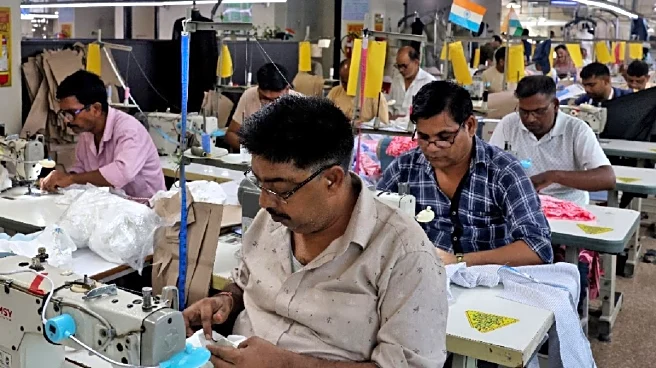
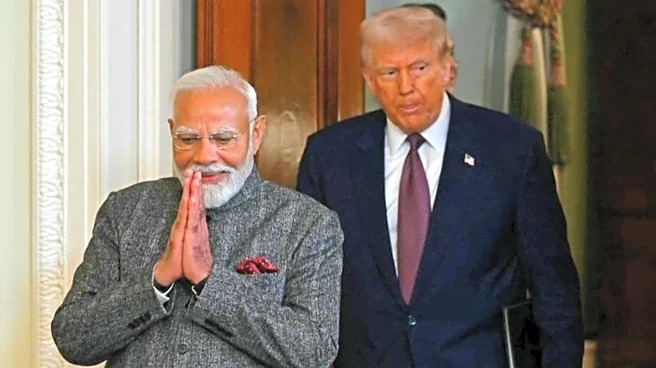
Forex traders attributed the rally to an overnight US–India trade deal in which tariff levels were cut to 18%, a move they said improves India’s relative trade position and could revive foreign portfolio flows into Indian markets.
In the interbank foreign exchange market, the rupee opened at 90.30/$, up 119 paise from its previous close of 91.49, and maintained gains through the session before settling near 90.27.
Anil Kumar Bhansali, Head of Treasury and Executive Director at Finrex Treasury Advisors LLP, said the tariff change “reopens the door for FII participation” in Indian assets.

“The reduction to 18% places India in a relatively better position than neighbours like Bangladesh and Pakistan, giving exporters a comparative edge,” Bhansali said. “FIIs, who have been net sellers for a prolonged period, may now consider returning to Indian equities.”
He added that market participants were closely watching the Reserve Bank of India’s stance, noting that the central bank may need to manage short dollar positions in coming sessions.
Globally, the US dollar index slipped 0.20% to 97.43, easing pressure on emerging market currencies. Brent crude futures fell 0.41% to 466.03 per barrel, reducing some import-related pressure on the rupee.
Despite Tuesday’s optimism, exchange data showed that Foreign Institutional Investors sold Indian equities worth ₹1,832.46 crore on Monday (February 2).
Forex traders attributed the rally to an overnight US–India trade deal in which tariff levels were cut to 18%, a move they said improves India’s relative trade position and could revive foreign portfolio flows into Indian markets.
In the interbank foreign exchange market, the rupee opened at 90.30/$, up 119 paise from its previous close of 91.49, and maintained gains through the session before settling near 90.27.
Anil Kumar Bhansali, Head of Treasury and Executive Director at Finrex Treasury Advisors LLP, said the tariff change “reopens the door for FII participation” in Indian assets.
“The reduction to 18% places India in a relatively better position than neighbours like Bangladesh and Pakistan, giving exporters a comparative edge,” Bhansali said. “FIIs, who have been net sellers for a prolonged period, may now consider returning to Indian equities.”
He added that market participants were closely watching the Reserve Bank of India’s stance, noting that the central bank may need to manage short dollar positions in coming sessions.
Globally, the US dollar index slipped 0.20% to 97.43, easing pressure on emerging market currencies. Brent crude futures fell 0.41% to 466.03 per barrel, reducing some import-related pressure on the rupee.
Despite Tuesday’s optimism, exchange data showed that Foreign Institutional Investors sold Indian equities worth ₹1,832.46 crore on Monday (February 2).