/images/ppid_59c68470-image-17802875337711675.webp)

/images/ppid_59c68470-image-178003754848023178.webp)

What is the story about?
India is resilient enough to absorb higher crude prices and geopolitical disruptions without lasting damage, according to Taimur Baig, Managing Director and Chief Economist at DBS Group Research.
While higher fuel prices and inflation could eventually push the RBI towards modest rate hikes, Baig says India’s economy, consumers and companies are far less fragile than feared and can adapt to external shocks over time.
He sees room for gradual rupee adjustment rather than aggressive currency defence.
He also highlighted the strength of the US economy and the long-term benefits of investment-led growth driven by technology and AI infrastructure spending.
This is an edited transcript of the interview.Q: The last conversation we had was before the conflict, when crude prices were around $63–65 per barrel, and the rupee was stable. The picture has changed completely now. How have India’s macros changed after the conflict? How much of this is permanent, and how much can be reversed once the West Asia-related oil shock fades away?
A: India’s fortunes are not very different from many other emerging markets that depend on energy imports, current account funding and the monetary policy-exchange rate management nexus that comes with it. Sitting here in Singapore, when I look at Indonesia and India, I do not see too much difference in the challenges that the policymakers are facing.
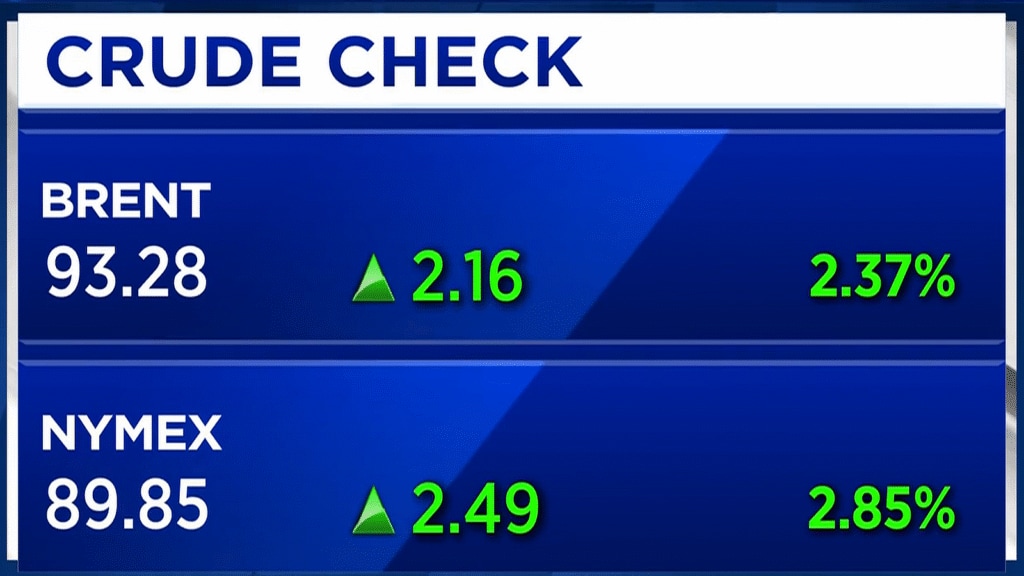
I would characterise the period since we last spoke as a global common shock. India will deal with it the way most energy-importing countries do. At some point, petroleum prices have to rise further, beyond what has already happened, to ensure oil marketing companies maintain viable profitability.
The impact of those energy price increases, both the ones already implemented and the ones still required, will feed into inflation. That is now clearly visible. In my view, the Reserve Bank of India (RBI) will eventually have to follow central banks such as Indonesia and the Philippines, which have already started hiking rates. This RBI meeting may not be live for action, but I think it is only a matter of time before the policy rate is adjusted.
Also Read | RBI should avoid aggressive rate hikes as high crude threatens growth, says Axis AMC’s Devang Shah
One important lesson from the last three months is that we should not underestimate the resilience of companies and consumers in absorbing these terms-of-trade shocks. The world, including India, has dealt with energy shocks before. Oil touched $150 per barrel around 16 years ago, and life did not end. These shocks come and go.
There are, of course, lessons around energy resilience and supply chain diversification, which everyone has discussed extensively over the last few months. But the key takeaway for me is that economies are not as fragile as people think. We can absorb these shocks.
Q: Indonesia has already hiked rates. When do you expect India to act? Over the next 9–12 months, how many rate hikes are you pencilling in? Also, what is your view on the rupee, which weakened sharply before stabilising recently?
A: I will defer to our India and South Asia economist, Radhika Rao, on the RBI call. Her expectation is for a modest rate adjustment over the next six to 12 months, by which we mean not more than 50 basis points.
As for the rupee, when I compare India’s real effective exchange rate with economies like China and Indonesia, they have all adjusted or depreciated by roughly 10% in real effective terms over the last six years. That does not seem excessive to me. It looks like a relatively modest and acceptable adjustment compared with peers.
What happened, however, is that India resisted rupee adjustment for a long time during 2023-24 (FY24) and 2024-25 (FY25), whereas peer economies adjusted gradually. Now the move has happened in a shorter period.
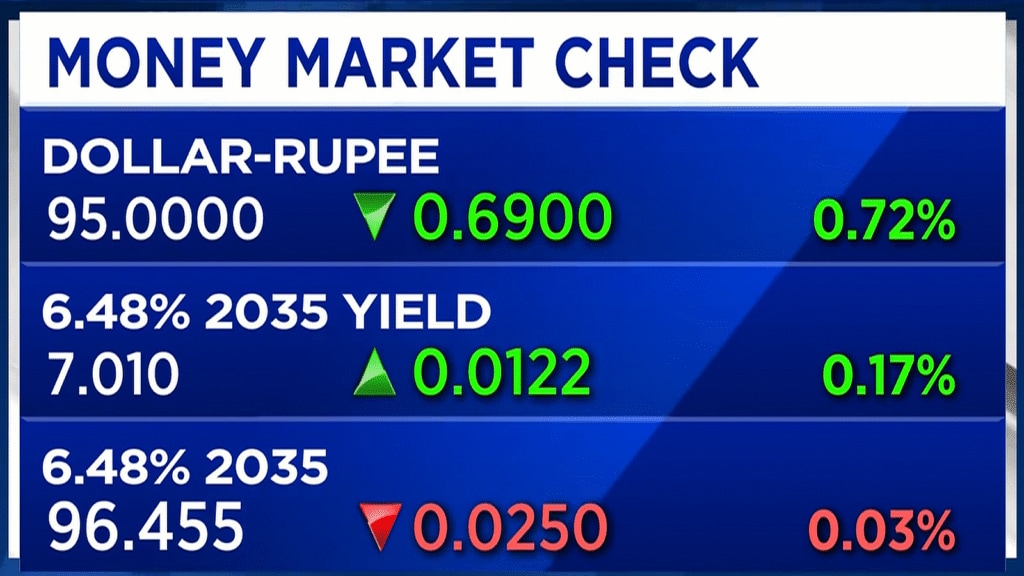
Like you, I do not want to see disorderly one-off adjustments. Gradual adjustment is preferable. If there is selling pressure, the RBI does not need to fight it every single time through reserve sales. The market should be allowed to move both ways, with the central bank only smoothing volatility when required.
The RBI’s core mandate is inflation. Currency defence should happen only in that context. Large reserve losses merely to keep the rupee stable while competitor currencies were adjusting did not make much economic sense to me. The adjustment seen so far over a five-to-six-year horizon is perfectly reasonable.
Q: There is a view that, despite massive artificial intelligence (AI) capex in the US, the actual boost to gross domestic product (GDP) is limited because much of the hardware is imported from Asia. What are your thoughts?
A: The US economy is doing extremely well overall. The Atlanta Fed’s nowcasting model suggests that even in the second quarter, the US economy could grow close to 4%. Those are extraordinary numbers.
Even if growth settles closer to 2–2.5%, it still builds on several years of robust expansion. This is particularly impressive considering the trade shocks, energy shocks and pressures on consumer sentiment and purchasing power.
Also Read | Wall Street is focused more on AI than war fears now: Standard Chartered strategist
The capex cycle is somewhat lopsided because a large amount of money is going into AI infrastructure while relatively less is being spent elsewhere. That creates vulnerability. If there is eventually some reckoning around AI infrastructure spending, it could drag down US growth materially.
It is also difficult to isolate how much investment is truly AI-related. If a company buys CPUs from Intel, is that an AI investment or simply a technology upgrade? Similarly, if there is labour market adjustment, is that because of AI or because companies overhired in 2022? These are not easy questions to answer precisely.
Watch the full conversation here
That said, regardless of the exact contribution of AI, the US is clearly experiencing a strong consumer and investment cycle, even as government spending outside defence has not been especially aggressive.
There is an important lesson here for the rest of the world. Countries should not be afraid of importing capital goods that help build infrastructure for future growth. The US may be importing heavily from Taiwan and Korea, but those imports are helping build future productive capacity.
Catch all the latest updates from the stock market here
While higher fuel prices and inflation could eventually push the RBI towards modest rate hikes, Baig says India’s economy, consumers and companies are far less fragile than feared and can adapt to external shocks over time.
He sees room for gradual rupee adjustment rather than aggressive currency defence.
He also highlighted the strength of the US economy and the long-term benefits of investment-led growth driven by technology and AI infrastructure spending.
This is an edited transcript of the interview.Q: The last conversation we had was before the conflict, when crude prices were around $63–65 per barrel, and the rupee was stable. The picture has changed completely now. How have India’s macros changed after the conflict? How much of this is permanent, and how much can be reversed once the West Asia-related oil shock fades away?
A: India’s fortunes are not very different from many other emerging markets that depend on energy imports, current account funding and the monetary policy-exchange rate management nexus that comes with it. Sitting here in Singapore, when I look at Indonesia and India, I do not see too much difference in the challenges that the policymakers are facing.
I would characterise the period since we last spoke as a global common shock. India will deal with it the way most energy-importing countries do. At some point, petroleum prices have to rise further, beyond what has already happened, to ensure oil marketing companies maintain viable profitability.
The impact of those energy price increases, both the ones already implemented and the ones still required, will feed into inflation. That is now clearly visible. In my view, the Reserve Bank of India (RBI) will eventually have to follow central banks such as Indonesia and the Philippines, which have already started hiking rates. This RBI meeting may not be live for action, but I think it is only a matter of time before the policy rate is adjusted.
Also Read | RBI should avoid aggressive rate hikes as high crude threatens growth, says Axis AMC’s Devang Shah
One important lesson from the last three months is that we should not underestimate the resilience of companies and consumers in absorbing these terms-of-trade shocks. The world, including India, has dealt with energy shocks before. Oil touched $150 per barrel around 16 years ago, and life did not end. These shocks come and go.
There are, of course, lessons around energy resilience and supply chain diversification, which everyone has discussed extensively over the last few months. But the key takeaway for me is that economies are not as fragile as people think. We can absorb these shocks.
Q: Indonesia has already hiked rates. When do you expect India to act? Over the next 9–12 months, how many rate hikes are you pencilling in? Also, what is your view on the rupee, which weakened sharply before stabilising recently?
A: I will defer to our India and South Asia economist, Radhika Rao, on the RBI call. Her expectation is for a modest rate adjustment over the next six to 12 months, by which we mean not more than 50 basis points.
As for the rupee, when I compare India’s real effective exchange rate with economies like China and Indonesia, they have all adjusted or depreciated by roughly 10% in real effective terms over the last six years. That does not seem excessive to me. It looks like a relatively modest and acceptable adjustment compared with peers.
What happened, however, is that India resisted rupee adjustment for a long time during 2023-24 (FY24) and 2024-25 (FY25), whereas peer economies adjusted gradually. Now the move has happened in a shorter period.
Like you, I do not want to see disorderly one-off adjustments. Gradual adjustment is preferable. If there is selling pressure, the RBI does not need to fight it every single time through reserve sales. The market should be allowed to move both ways, with the central bank only smoothing volatility when required.
The RBI’s core mandate is inflation. Currency defence should happen only in that context. Large reserve losses merely to keep the rupee stable while competitor currencies were adjusting did not make much economic sense to me. The adjustment seen so far over a five-to-six-year horizon is perfectly reasonable.
Q: There is a view that, despite massive artificial intelligence (AI) capex in the US, the actual boost to gross domestic product (GDP) is limited because much of the hardware is imported from Asia. What are your thoughts?
A: The US economy is doing extremely well overall. The Atlanta Fed’s nowcasting model suggests that even in the second quarter, the US economy could grow close to 4%. Those are extraordinary numbers.
Even if growth settles closer to 2–2.5%, it still builds on several years of robust expansion. This is particularly impressive considering the trade shocks, energy shocks and pressures on consumer sentiment and purchasing power.
Also Read | Wall Street is focused more on AI than war fears now: Standard Chartered strategist
The capex cycle is somewhat lopsided because a large amount of money is going into AI infrastructure while relatively less is being spent elsewhere. That creates vulnerability. If there is eventually some reckoning around AI infrastructure spending, it could drag down US growth materially.
It is also difficult to isolate how much investment is truly AI-related. If a company buys CPUs from Intel, is that an AI investment or simply a technology upgrade? Similarly, if there is labour market adjustment, is that because of AI or because companies overhired in 2022? These are not easy questions to answer precisely.
Watch the full conversation here
That said, regardless of the exact contribution of AI, the US is clearly experiencing a strong consumer and investment cycle, even as government spending outside defence has not been especially aggressive.
There is an important lesson here for the rest of the world. Countries should not be afraid of importing capital goods that help build infrastructure for future growth. The US may be importing heavily from Taiwan and Korea, but those imports are helping build future productive capacity.
Catch all the latest updates from the stock market here

/images/ppid_59c68470-image-178021505031755503.webp)


/images/ppid_59c68470-image-178020252827036625.webp)
/images/ppid_a911dc6a-image-178024352247775621.webp)

/images/ppid_a911dc6a-image-178020922360970789.webp)
/images/ppid_59c68470-image-178003009636832499.webp)
/images/ppid_59c68470-image-178004253745188498.webp)