/images/ppid_59c68470-image-178997252410173727.webp)

/images/ppid_59c68470-image-178973253023017191.webp)
/images/ppid_59c68470-image-178970513127540336.webp)
/images/ppid_59c68470-image-178970253615126385.webp)
What is the story about?
The
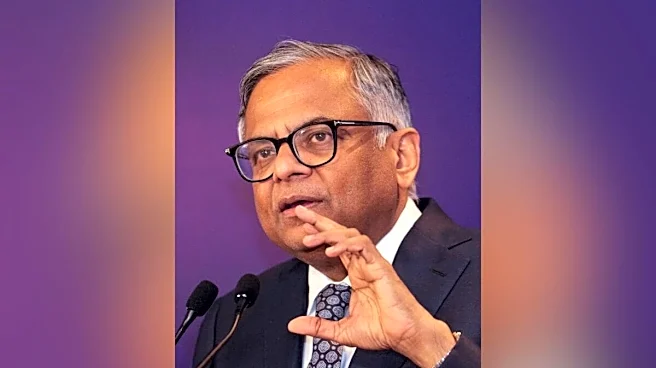
dispute over Tata Sons’ leadership and governance is moving into a more complicated legal and shareholder approval phase, with questions around the company’s Articles of Association, Tata Trusts’ rights and the appointment of chairman N Chandrasekaran likely to remain in focus.
Hetal Dalal, President and COO, Institutional Investor Advisory Services (IIAS); Abizer Diwanji, Founder, NeoStrat Advisors; and senior corporate and M&A lawyer Nitin Potdar discussed the developments and what could happen next.
Nitin Potdar, senior corporate and M&A lawyer, stated that the reappointment for a five-year term breaches the Tata governance guidelines adopted in 2015, which set a 65-year age limit for executive directors.
"This discussion on Article 121 has been clearly laid down by the Supreme Court in the very same matter just two years back. And the Supreme Court has upheld the rights of the trusts to appoint and reappoint the board. All these things are all are cleared and sorted out." Potdar said, questioning the September 17 decision to grant a five-year term as Chandrasekaran crosses the age of 65.
Tata Trusts, which holds a 66% stake in Tata Sons, has argued that a recent 4-to-1 board vote reappointing Chandrasekaran is invalid without majority support from the Trust's nominee directors.
Both factions have hired top lawyers, with Harish Salve advising the Chandrasekaran-led Tata Sons and Abhishek Manu Singhvi representing the Noel Tata-led Tata Trusts.
He noted that after Chandrasekaran expressed his desire not to be reappointed on August 12, the Nomination and Remuneration Committee (NRC) should have formed a selection committee under Article 118 to find a successor, rather than rushing the reappointment.
He added that the current situation has sparked anxiety among other Indian corporate promoters, who fear operating executives could take control and dilute their ownership rights.
Hetal Dalal, President and COO, IIAS—Institutional Investor Advisory Services, emphasised that Tata Trusts essentially controls Tata Sons through its Articles of Association, which grant board nomination, quorum, and veto rights. She noted that any material decision taken by the board requires shareholder approval.
"Assuming all goes as course in the normal sort of situation, these decisions will now have to be put to a shareholder vote, in which case the trusts are obviously going to vote against these decisions," Dalal said.
She added that once Tata Trusts resolves issues raised by the Charity Commissioner, it will be able to hold an Annual General Meeting (AGM) and vote its shares to reverse the board's decisions.
Abizer Diwanji, founder at NeoStrat Advisors LLP, echoed the sentiment, stating that the board should align with the controlling shareholder to avoid friction. "If there is a loggerhead between the largest shareholder who has veto as well as quorum rights, very frankly, a board should comply," he said.
Diwanji also questioned the sequence of events leading to the dispute, pointing to ongoing litigation in Maharashtra regarding the Trust's composition, a Reserve Bank of India mandate requiring a public listing, and the board's unanimous decision to grant Chandrasekaran a five-year term despite his earlier resignation.
For the entire discussion, watch the accompanying video

/images/ppid_59c68470-image-178990503487132880.webp)
/images/ppid_59c68470-image-178972252849484102.webp)
/images/ppid_59c68470-image-178972002898435241.webp)
/images/ppid_59c68470-image-178974502729551070.webp)
/images/ppid_59c68470-image-178982252574195470.webp)
/images/ppid_59c68470-image-178972506460464431.webp)
/images/ppid_59c68470-image-178971003664439692.webp)