/images/ppid_59c68470-image-177937253141067502.webp)


/images/ppid_a911dc6a-image-177915925756880837.webp)

What is the story about?
Former G20 Sherpa and ex-NITI Aayog CEO Amitabh Kant has called for an aggressive shift towards electric mobility, saying India should stop registering fossil-fuel-powered two-wheelers and three-wheelers after 2027 as part of a broader push towards energy independence and clean mobility.
Speaking to CNBC-TV18 as the Narendra Modi government nears completion of 12 years in office, Kant said India must avoid getting locked into intermediate technologies and instead move directly towards full electrification.
“I think the CAFE norms need to be finalised quickly. The norms should clearly state that beyond 2027, fossil-fuel two-wheelers and three-wheelers will no longer be registered,” Kant said.
He added that all buses and lorries should transition to electric mobility by 2030, while passenger vehicles should also move fully electric by the end of the decade.
“Thirdly, all passenger cars should go electric by 2030. We should not get locked into intermediate technologies like hybrids. We should move directly toward the ultimate technologies,” he said.
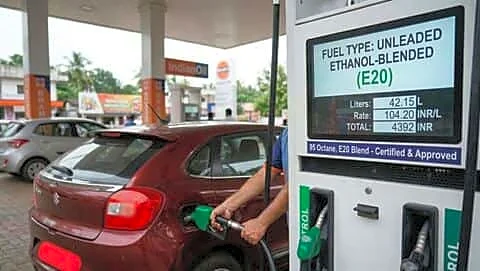
Kant said electric mobility was critical not only for reducing emissions and dependence on imported crude oil, but also for helping India emerge as a global manufacturing and technology hub. He noted that several Indian firms, including Tata, Reliance, Exide and Amara Raja, are investing heavily in battery manufacturing.
“That means we will eventually produce batteries domestically and reduce long-term dependence on China,” he said.
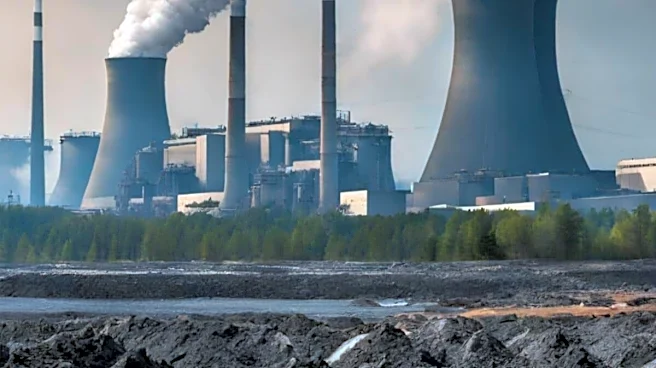
Kant linked India’s EV ambitions with the country’s larger energy transition goals. According to him, India currently imports over $180 billion worth of fossil fuels annually, making energy independence one of the country’s most urgent priorities.
He said India should rapidly expand renewable energy capacity far beyond its existing targets. “We’ve already achieved about 283 gigawatts of renewable energy and have a target of 500 gigawatts, which we need to achieve quickly. But in my view, we should accelerate this even further to 1,500 gigawatts.”
Kant also stressed the need for stronger transmission infrastructure, battery storage systems and critical mineral processing to support India’s clean energy ambitions, especially as the country positions itself for the next wave of AI, semiconductor and data centre investments.
The comments come amid a broader review of the Modi government’s economic record over the past 12 years. The period saw a massive infrastructure push, expansion of digital public infrastructure and implementation of flagship reforms including GST and Make in India.
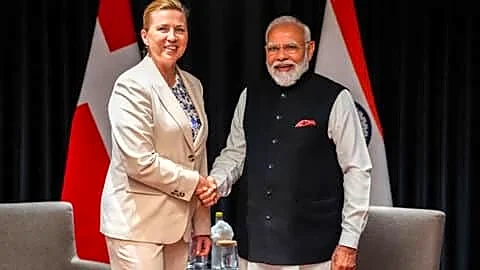
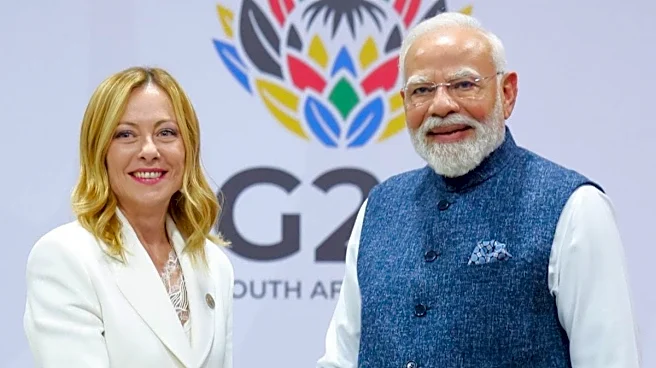
Also Read | PM Modi returns from 5-nation tour, secures ₹3.5 lakh crore investment push for India
Government data shows that the digital payments ecosystem expanded sharply during the period, with UPI transactions crossing ₹3,200 lakh crore in 2025, while semiconductor projects worth ₹1.64 lakh crore were approved under the government’s semiconductor mission.
At the same time, the government has faced criticism over slow manufacturing growth, rising youth unemployment, modest progress in skill development and concerns around the impact of demonetisation. India has also had to navigate geopolitical challenges ranging from tariff pressures from the United States to the prolonged border standoff with China.
Speaking to CNBC-TV18 as the Narendra Modi government nears completion of 12 years in office, Kant said India must avoid getting locked into intermediate technologies and instead move directly towards full electrification.
“I think the CAFE norms need to be finalised quickly. The norms should clearly state that beyond 2027, fossil-fuel two-wheelers and three-wheelers will no longer be registered,” Kant said.
He added that all buses and lorries should transition to electric mobility by 2030, while passenger vehicles should also move fully electric by the end of the decade.
“Thirdly, all passenger cars should go electric by 2030. We should not get locked into intermediate technologies like hybrids. We should move directly toward the ultimate technologies,” he said.
Kant said electric mobility was critical not only for reducing emissions and dependence on imported crude oil, but also for helping India emerge as a global manufacturing and technology hub. He noted that several Indian firms, including Tata, Reliance, Exide and Amara Raja, are investing heavily in battery manufacturing.
“That means we will eventually produce batteries domestically and reduce long-term dependence on China,” he said.
Kant linked India’s EV ambitions with the country’s larger energy transition goals. According to him, India currently imports over $180 billion worth of fossil fuels annually, making energy independence one of the country’s most urgent priorities.
He said India should rapidly expand renewable energy capacity far beyond its existing targets. “We’ve already achieved about 283 gigawatts of renewable energy and have a target of 500 gigawatts, which we need to achieve quickly. But in my view, we should accelerate this even further to 1,500 gigawatts.”
Kant also stressed the need for stronger transmission infrastructure, battery storage systems and critical mineral processing to support India’s clean energy ambitions, especially as the country positions itself for the next wave of AI, semiconductor and data centre investments.
The comments come amid a broader review of the Modi government’s economic record over the past 12 years. The period saw a massive infrastructure push, expansion of digital public infrastructure and implementation of flagship reforms including GST and Make in India.
Also Read | PM Modi returns from 5-nation tour, secures ₹3.5 lakh crore investment push for India
Government data shows that the digital payments ecosystem expanded sharply during the period, with UPI transactions crossing ₹3,200 lakh crore in 2025, while semiconductor projects worth ₹1.64 lakh crore were approved under the government’s semiconductor mission.
At the same time, the government has faced criticism over slow manufacturing growth, rising youth unemployment, modest progress in skill development and concerns around the impact of demonetisation. India has also had to navigate geopolitical challenges ranging from tariff pressures from the United States to the prolonged border standoff with China.

/images/ppid_a911dc6a-image-177923982802325954.webp)


/images/ppid_59c68470-image-177920502915469177.webp)
/images/ppid_59c68470-image-177935253103056678.webp)
/images/ppid_59c68470-image-177911502674525655.webp)
/images/ppid_a911dc6a-image-177909553142630500.webp)