/images/ppid_59c68470-image-177605256799065934.webp)

/images/ppid_59c68470-image-177598002853950041.webp)
/images/ppid_59c68470-image-177600510203099913.webp)
What is the story about?
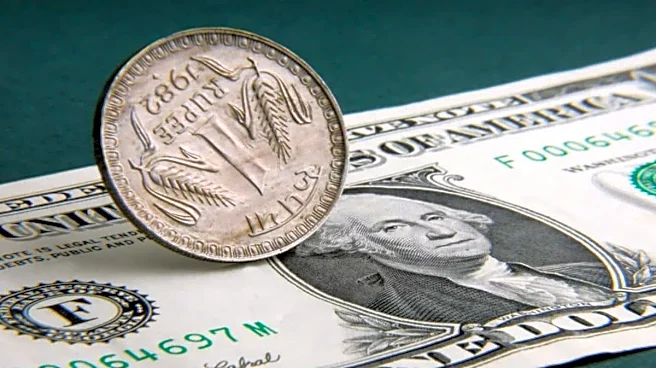
The Indian rupee opened sharply weaker on Monday (April 13), falling 55 paise to 93.28 against the US dollar, compared with Friday’s (April 10's) close of 92.73, as a spike in crude oil prices and rising global risk aversion pressured the currency.
The decline comes after a brief two-week relief rally, with sentiment reversing amid escalating geopolitical tensions. Brent crude for June delivery jumped about 7% to $102 a barrel after talks between Washington and Tehran failed to produce a deal to halt the ongoing conflict.
Investor risk appetite weakened further as US equity futures and Asian markets declined, while US Treasury yields and the dollar strengthened, reversing last week’s trend that had supported emerging market currencies, including the rupee.
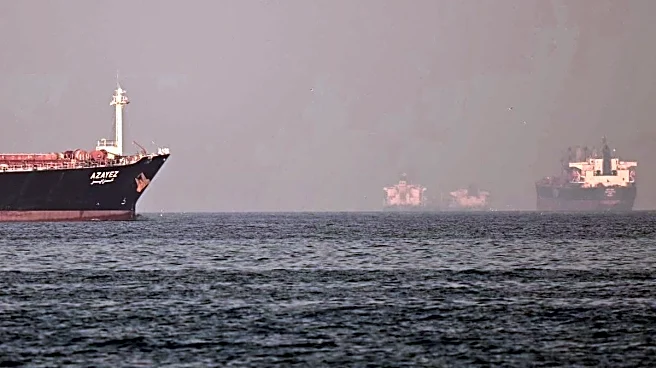
The situation intensified after US President Donald Trump said the US Navy would begin blockading the Strait of Hormuz, raising concerns over global oil supply disruptions. Analysts warn that such moves could further elevate crude prices and prolong volatility in currency markets.
For India, higher oil prices pose a dual challenge—widening the trade deficit and fuelling inflation—both of which tend to exert downward pressure on the rupee.
In addition to external pressures, the rupee is also facing reduced support from domestic flows. The recent strength in the currency was partly driven by banks unwinding arbitrage positions following the Reserve Bank of India’s cap on onshore forex exposure, which led to increased dollar selling.
With the deadline for these adjustments ending on Friday, that supportive factor has now faded, leaving the rupee exposed to global headwinds.
Analysts expect the currency to remain volatile in the near term, tracking oil price movements, geopolitical developments, and the trajectory of the US dollar.
-With Reuters inputs
The decline comes after a brief two-week relief rally, with sentiment reversing amid escalating geopolitical tensions. Brent crude for June delivery jumped about 7% to $102 a barrel after talks between Washington and Tehran failed to produce a deal to halt the ongoing conflict.
Investor risk appetite weakened further as US equity futures and Asian markets declined, while US Treasury yields and the dollar strengthened, reversing last week’s trend that had supported emerging market currencies, including the rupee.
The situation intensified after US President Donald Trump said the US Navy would begin blockading the Strait of Hormuz, raising concerns over global oil supply disruptions. Analysts warn that such moves could further elevate crude prices and prolong volatility in currency markets.
For India, higher oil prices pose a dual challenge—widening the trade deficit and fuelling inflation—both of which tend to exert downward pressure on the rupee.
In addition to external pressures, the rupee is also facing reduced support from domestic flows. The recent strength in the currency was partly driven by banks unwinding arbitrage positions following the Reserve Bank of India’s cap on onshore forex exposure, which led to increased dollar selling.
With the deadline for these adjustments ending on Friday, that supportive factor has now faded, leaving the rupee exposed to global headwinds.
Analysts expect the currency to remain volatile in the near term, tracking oil price movements, geopolitical developments, and the trajectory of the US dollar.
-With Reuters inputs




/images/ppid_a911dc6a-image-177621863516613488.webp)