/images/ppid_59c68470-image-178299506535891259.webp)

/images/ppid_59c68470-image-178274002911018317.webp)



What is the story about?
US stock futures traded mixed on Thursday as investors waited for the June jobs report, a key macro-economic data that could influence expectations for future interest rate decisions by the US Federal Reserve.
Futures linked to the Dow Jones Industrial Average rose about 0.2%, while S&P 500 futures were little changed. Nasdaq 100 futures slipped 0.3%, extending pressure on technology stocks after a sharp sell-off in semiconductor shares during the previous session.
The market is closely watching the US labour market after Federal Reserve Chair Kevin Warsh said investors should focus on incoming economic data rather than relying on central bank guidance to assess the outlook for interest rates.
Economists expect the US economy to have added around 115,000 jobs in June, while the unemployment rate is projected to remain unchanged at 4.3%. A stronger-than-expected jobs report could reinforce expectations that the Fed may keep interest rates higher for longer.
Tech stocks remain under pressure
Meanwhile, technology stocks continued to face selling pressure across global markets. Asian chipmakers led the decline after investors booked profits following a strong rally driven by artificial intelligence demand.
South Korea's benchmark Kospi index dropped sharply, with memory chip makers SK Hynix and Samsung Electronics recording steep losses. The broader MSCI Asia-Pacific index outside Japan also declined, while Japan's Nikkei fell more than 1%. Hong Kong's Hang Seng Index was the only major regional market to trade higher.
Investor sentiment was also influenced by a report that OpenAI is considering offering a 5% stake to the US government. According to the Financial Times, the move could help the artificial intelligence company strengthen its relationship with policymakers as it expands its business.
Oil prices decline on Iran talks, stronger supply
Oil prices extended losses for a third straight session after signs of progress in indirect talks between the United States and Iran improved market sentiment.
West Texas Intermediate crude traded near $68 a barrel, while Brent crude remained below $72 a barrel after falling in the previous two sessions.
The decline was also supported by higher oil shipments through the Strait of Hormuz. According to US officials, crude flows through the strategic shipping route have risen above 10 million barrels a day, easing concerns about potential supply disruptions.
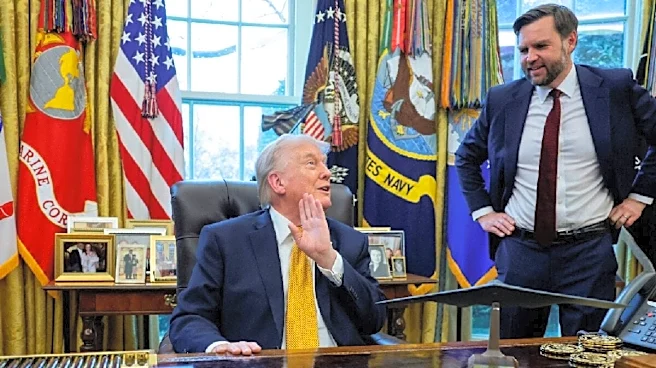
US President Donald Trump also said negotiations with Iran were showing positive signs, further reducing fears of an immediate escalation in tensions.
Futures linked to the Dow Jones Industrial Average rose about 0.2%, while S&P 500 futures were little changed. Nasdaq 100 futures slipped 0.3%, extending pressure on technology stocks after a sharp sell-off in semiconductor shares during the previous session.
The market is closely watching the US labour market after Federal Reserve Chair Kevin Warsh said investors should focus on incoming economic data rather than relying on central bank guidance to assess the outlook for interest rates.
Economists expect the US economy to have added around 115,000 jobs in June, while the unemployment rate is projected to remain unchanged at 4.3%. A stronger-than-expected jobs report could reinforce expectations that the Fed may keep interest rates higher for longer.
Tech stocks remain under pressure
Meanwhile, technology stocks continued to face selling pressure across global markets. Asian chipmakers led the decline after investors booked profits following a strong rally driven by artificial intelligence demand.
South Korea's benchmark Kospi index dropped sharply, with memory chip makers SK Hynix and Samsung Electronics recording steep losses. The broader MSCI Asia-Pacific index outside Japan also declined, while Japan's Nikkei fell more than 1%. Hong Kong's Hang Seng Index was the only major regional market to trade higher.
Investor sentiment was also influenced by a report that OpenAI is considering offering a 5% stake to the US government. According to the Financial Times, the move could help the artificial intelligence company strengthen its relationship with policymakers as it expands its business.
Oil prices decline on Iran talks, stronger supply
Oil prices extended losses for a third straight session after signs of progress in indirect talks between the United States and Iran improved market sentiment.
West Texas Intermediate crude traded near $68 a barrel, while Brent crude remained below $72 a barrel after falling in the previous two sessions.
The decline was also supported by higher oil shipments through the Strait of Hormuz. According to US officials, crude flows through the strategic shipping route have risen above 10 million barrels a day, easing concerns about potential supply disruptions.
US President Donald Trump also said negotiations with Iran were showing positive signs, further reducing fears of an immediate escalation in tensions.
/images/ppid_59c68470-image-17828752680223005.webp)
/images/ppid_59c68470-image-17829550333933284.webp)


/images/ppid_59c68470-image-178287752785911339.webp)

/images/ppid_59c68470-image-178293006166152992.webp)
/images/ppid_59c68470-image-178278259739614980.webp)
/images/ppid_59c68470-image-17827750326911429.webp)
/images/ppid_59c68470-image-178278502807956332.webp)