






What is DDH?
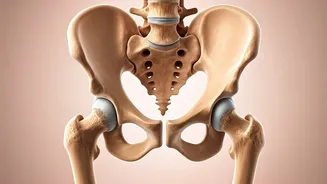
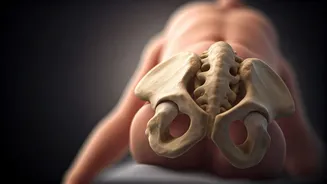
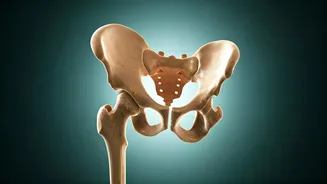
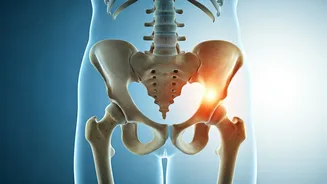
Developmental Dysplasia of the Hip (DDH) is a condition that affects the proper formation of an infant's hip joint. In a healthy hip, the rounded head
of the thigh bone (femur) fits snugly into the cup-shaped socket in the pelvis, allowing for smooth movement. However, with DDH, this socket can be too shallow, or the ball might be loose or even completely out of place (dislocated). This malformation can impact how a child moves and can affect one or both hips, ranging in severity. While most commonly seen in babies and very young children, DDH can sometimes manifest or be diagnosed in adults. Actor Varun Dhawan recently brought attention to this condition when his daughter was diagnosed at 1.5 years old, noting the challenges in early diagnosis within India compared to Western countries. He mentioned that his daughter's hip was able to be repositioned without surgery, but required a significant period in a spica cast, emphasizing the critical role of timely identification.
Spotting Early Signs
Recognizing the early indicators of DDH is crucial for timely intervention. Parents and caregivers should be aware of subtle changes that could signal a problem. Visible signs might include asymmetry in the thigh creases, where one leg appears to have more or deeper skin folds than the other. Another potential sign is a noticeable difference in leg length, with one leg appearing shorter. Restricted movement in one of the hips, making it difficult to spread the legs fully during diaper changes, can also be an indicator. Sometimes, a soft 'clicking' sound might be heard or felt when manipulating a baby's hips. While these signs can be present, it's important to note that some infants may not exhibit obvious symptoms, underscoring the necessity of routine screenings. As highlighted by orthopedic specialists, even babies who seem to be developing normally should be monitored, and any suspicions should lead to further investigation.
Understanding Risk Factors
Several factors can increase a baby's likelihood of developing DDH. Genetics plays a notable role, with a significantly higher incidence observed when there's a family history of the condition; it's estimated to be about 12 times more common in such cases. However, it's essential to understand that while genetics contribute, they are not the sole direct cause. Another significant risk factor involves the baby's position in the womb. Infants who are positioned breech (feet-first) are more prone to hip instability compared to those in a normal head-first position. This breech presentation is associated with an increased risk of developing DDH. Therefore, awareness of these predispositions can help healthcare providers and parents be more vigilant in screening and monitoring infants.
Effective Treatment Pathways
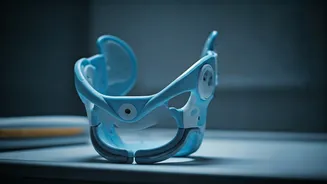
The prognosis for DDH is significantly improved with early diagnosis and prompt treatment. If left unaddressed, DDH can lead to long-term complications such as gait abnormalities, persistent limping, chronic hip pain, and the premature onset of arthritis later in life. Fortunately, when diagnosed within the first few months of a baby's life, DDH is often manageable with less invasive methods. Interventions like specialized harnesses or braces can effectively guide the hip joint back into its proper position, helping the socket develop normally around the femoral head. For more severe or persistent cases, treatments may also involve targeted physical therapy to strengthen hip muscles and improve range of motion, and in some instances, surgical procedures might be necessary to correct the hip's alignment. Varun Dhawan’s personal account underscores that even when a hip needs repositioning, non-surgical methods combined with immobilization like a spica cast can be successful, avoiding the need for immediate surgery.