









CBFC's Scrutiny Unveiled
The Central Board of Film Certification (CBFC) undertook the task of reviewing 'Rahu Ketu' before its public release. As part of this process, the CBFC made
certain cuts to the film. According to the information, a specific scene involving a scream underwent modifications. This type of scrutiny by the CBFC is common practice; it ensures that films align with established guidelines concerning content appropriateness. The purpose is to safeguard the audience from potentially harmful or objectionable material. The CBFC's actions often spark discussions about artistic freedom and censorship, and its decisions directly influence the final version of the film that reaches the audience.
Scream Scene Alterations
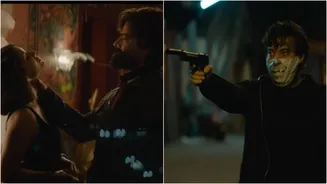
The CBFC's specific focus was the editing of a scream sequence within 'Rahu Ketu.' While the exact nature of the modification isn't completely detailed in the provided information, it's inferred that the CBFC found the original depiction of the scream to be potentially problematic. This could be due to several factors, including the intensity of the sound, the visual accompaniment to the scream, or the overall context within the scene. The CBFC's cuts are often made to adhere to content regulations, and adjustments such as these are crucial. These types of revisions can involve shortening a scene, altering audio, or even removing visual elements. The adjustments made can alter the impact and intensity of the scene on the audience, and they shape the way the story is communicated.
Impact and Implications
The revisions made by the CBFC carry significant ramifications for 'Rahu Ketu.' These modifications can alter the director's initial vision and how the narrative is delivered to audiences. The changes might result in a less dramatic impact for the audience or they may influence the way specific scenes are viewed. While the CBFC's intention is to ensure the film's suitability for viewing, these alterations could be perceived as a limitation on the artistic freedom of filmmakers. This is a common discussion in the film industry, with creatives advocating for artistic autonomy and regulators emphasizing the responsibility to protect viewers. The final outcome is a balancing act of storytelling and regulation.