






Courtyards: The Heart
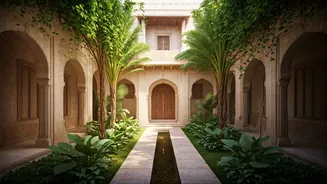
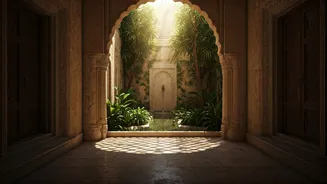
Central courtyards, often called 'aangan' or 'wada,' are pivotal in traditional Indian homes, acting as the lungs and social hub of the dwelling. These
open spaces are strategically placed to draw natural light deep into the core of the house and ensure excellent cross-ventilation, a crucial element for climate control and creating a refreshing ambiance. Beyond their functional benefits, they serve as cherished gathering spots for families, fostering a sense of togetherness and communal living while simultaneously promoting an feeling of expansiveness within the home. The continuous flow of air circulation initiated by the courtyard also significantly helps in cooling the adjacent rooms, reducing reliance on artificial cooling methods and contributing to a more comfortable interior climate throughout the day.
Verandahs: Gentle Transitions
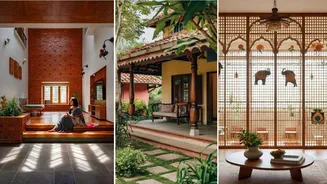
Verandahs, recognized by regional names like 'poomukham' or 'ota,' masterfully bridge the gap between the external environment and the internal sanctuary of a home. These extended covered spaces are purposefully designed to be areas of repose and informal interaction, encouraging inhabitants to slow down and engage in leisurely activities. They offer a welcome respite from the sun's intensity and protection from sudden downpours, making them ideal spots for reading, sipping tea, or simply enjoying the sounds and sights of the outdoors without direct exposure. This deliberate inclusion of transitional zones helps in gradually acclimatizing residents to the indoor environment, promoting a more relaxed pace of life and a mindful appreciation of the surroundings.
Jaali: Shading and Privacy
Intricately carved jaali screens are a hallmark of traditional Indian architecture, serving a dual purpose of enhancing aesthetics while providing practical benefits for comfort and privacy. These latticed panels, often made from stone or wood, allow a gentle diffusion of sunlight to enter the interiors, transforming harsh daylight into a soft, ambient glow. The perforations permit a continuous passage of air, aiding ventilation without compromising the sense of seclusion desired within a home. The play of light and shadow created by jaali screens on the walls and floors introduces a dynamic, calming visual element, fostering a serene and contemplative atmosphere that is both visually pleasing and conducive to relaxation.
Natural Materials: Warmth and Health
The conscious selection of natural materials, such as rich teak wood, earthy stone, and breathable clay or mud, imbues traditional Indian homes with a distinctive warmth and tactile richness. These elements contribute significantly to the overall comfort and aesthetic appeal, providing a grounding and organic feel that synthetic materials often lack. Beyond their visual and sensory qualities, these natural substances are vital for promoting a healthier indoor environment. They possess inherent properties that regulate humidity, improve air quality by minimizing off-gassing, and offer a connection to the earth, collectively enhancing the feeling of well-being and creating a more nurturing living space.
Spiritual Corners: Inner Peace
Within the bustling rhythm of daily life, traditional Indian homes often designate a specific area for spiritual practices, such as prayer or meditation, offering a profound sanctuary for inner reflection. This dedicated space acts as a personal retreat, a quiet corner where one can disconnect from external distractions and cultivate mindfulness and peace. By providing a consistent place for contemplation, these spiritual nooks encourage a regular practice of self-awareness and stress reduction, allowing inhabitants to find moments of calm and rejuvenation. This intentional inclusion of a sacred space underscores the importance of mental and emotional well-being, integrating spiritual grounding into the fabric of everyday living.
Nature Integration: Vitality
The deliberate incorporation of nature’s elements is a cornerstone of traditional Indian homes, actively bringing the outdoors in to enhance vitality and tranquility. This often includes the presence of indoor plants that purify the air and add a touch of vibrant green, sacred tulsi planters revered for their medicinal and spiritual properties, and soothing water features that introduce the gentle sound and visual appeal of flowing water. These natural additions are not merely decorative; they are integral to creating a calming atmosphere, demonstrably reducing stress levels, and fostering a deeper connection with the natural world. This biophilic design approach significantly contributes to a more restorative and emotionally balanced living experience for all occupants.
Vastu Principles: Harmony
Rooted in ancient wisdom, Vastu Shastra principles guide the spatial arrangement and design of traditional Indian homes to harmonize with natural energies, profoundly influencing inhabitants' mental and emotional state. This discipline focuses on aligning structures with the five elements and cosmic forces to promote an environment of balance, prosperity, and well-being. By adhering to Vastu guidelines, such as optimizing the flow of energy and ensuring specific directions for various rooms, these homes foster a sense of order, stability, and positive vibrations. This intentional design approach cultivates an atmosphere conducive to mental clarity, reduced anxiety, and an overall sense of peace and contentment within the living space.
Relaxation Nooks: Cozy Retreats
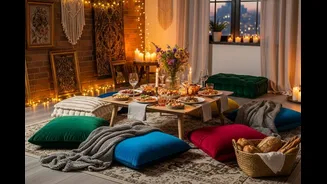
Beyond the primary living areas, traditional Indian homes often feature charming 'relaxation nooks,' providing intimate spaces for comfort and personal enjoyment. These might include inviting swings, known as 'jhoolas,' that offer a gentle, rhythmic motion conducive to relaxation, or small, cozy alcoves tucked away for quiet contemplation or reading. These thoughtfully designed corners add character and a sense of warmth to the home, serving as personal havens where one can unwind and escape the pressures of the day. They are an essential part of the home's ecosystem, encouraging moments of leisure and contributing to the overall emotional comfort and inviting ambiance of the dwelling.