




The Classic Rose
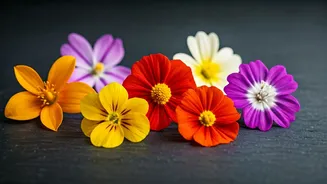
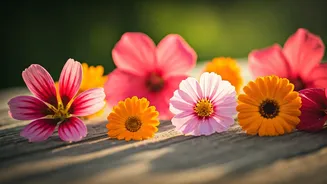
The ubiquitous rose is a star in Indian kitchens, its delicate petals lending their sweet fragrance and subtle flavor to an array of dishes and drinks.
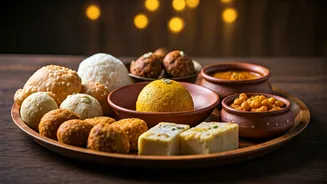
Most famously, they are transformed into 'gulkand,' a preserve often mixed into desserts and traditional sweets, offering a cooling sensation perfect for warmer climes. Rose syrup, a popular beverage enhancer, and its inclusion in herbal teas further showcase its versatility. Beyond culinary applications, rose's natural cooling properties and appealing scent also find a place in skincare formulations, highlighting its dual role in enhancing well-being and sensory delight.
Vibrant Marigold
Bright and cheerful marigold flowers bring not only a splash of color but also a distinct, slightly citrusy flavor to Indian meals. Often sprinkled over salads and rice dishes, they serve as both an attractive garnish and a flavor enhancer. Beyond their decorative appeal, marigold petals are integrated into festive cooking and are recognized for their use in traditional herbal remedies. Their rich antioxidant content makes them a nutritious addition, while their vibrant hues instantly elevate the visual appeal of any dish, making them a popular choice for adding life to everyday meals.
Tangy Hibiscus
Hibiscus flowers are celebrated for their refreshing, tangy taste and are a cornerstone in preparing herbal teas and natural beverages across India. Revered for their potential to support cardiovascular health and contribute to maintaining healthy blood pressure levels, these blooms are a staple in Ayurvedic practices. Whether enjoyed hot or cold, dried hibiscus petals brew into a deeply colored, invigorating drink that is both delicious and beneficial. Their tart profile makes them a delightful alternative to standard teas and a flavorful base for various health-conscious concoctions.
Hearty Banana Flower
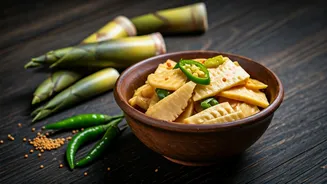
The banana flower, also known as banana blossom, is a significant ingredient, particularly in the culinary landscapes of South and East India. This versatile bloom is prepared as a vegetable, incorporated into savory curries, stir-fries, and crispy fritters. Its nutritional profile is impressive, boasting high levels of dietary fiber, iron, and other essential nutrients, making it a valuable addition to a balanced diet. Its earthy flavor and substantial texture have cemented its place in numerous traditional Indian recipes, offering both nourishment and a satisfying culinary experience.
Nutrient-Rich Moringa
Delicate white moringa flowers are a subtle yet powerful addition to Indian cuisine, frequently appearing in nourishing soups, flavorful curries, and stir-fried dishes. These tiny blooms are packed with essential vitamins, calcium, and potent antioxidants, contributing significantly to overall health and well-being. In rural communities, moringa flowers are a common ingredient in homemade medicinal preparations and seasonal cooking, valued for their dense nutritional content. Their inclusion offers a way to boost the health benefits of everyday meals, reflecting a deep understanding of nature's bounty.
Aromatic Jasmine
While primarily known for its captivating fragrance, jasmine flowers also find a niche in Indian culinary traditions, subtly infusing teas, desserts, and various beverages with their sweet aroma. Certain varieties are deemed edible and are used judiciously to impart an elegant scent and visual appeal to dishes. Their delicate floral notes can elevate the sensory experience of food and drink, particularly in traditional Indian preparations and herbal infusions. Jasmine's ability to enhance both aroma and taste makes it a cherished, albeit often understated, ingredient.
Symbolic Lotus
The lotus flower holds profound cultural and culinary significance in India. While its petals are sometimes employed as decorative garnishes, other parts of the lotus plant are widely consumed. Lotus is frequently incorporated into herbal drinks and is a key element in Ayurvedic practices, appreciated for its calming and cooling properties. Its association with purity, wellness, and traditional healing further enhances its esteemed position in Indian culture and cuisine, offering a blend of spiritual and physical benefits.
Earthy Drumstick
Hailing from the moringa tree, drumstick flowers are highly regarded for their exceptional nutritional value. These edible blooms are frequently cooked alongside lentils, eggs, or seasoned with mild spices in Indian households, particularly in South Indian cuisine. They possess a distinct earthy flavor and are believed to bolster immunity and aid digestion. Their inclusion in meals offers a wholesome way to harness the health benefits of the moringa plant, contributing to both flavor and well-being.
Mild Pumpkin Flower
The pumpkin flower is another common and versatile edible blossom found in Indian kitchens. It is often prepared by dipping the florets in a besan (gram flour) batter and deep-frying them to create a delightful snack. Alternatively, they can be added to lighter curries and stir-fries. Their mild, slightly sweet taste makes them an accommodating ingredient, easily absorbing the flavors of simple Indian spices and lending a subtle floral note to various dishes.
Bitter Neem Flower
Neem flowers, characterized by their small size and mildly bitter taste, are a staple in traditional Indian cooking and Ayurvedic preparations. In various regions, these flowers are incorporated into chutneys, rice dishes, and seasonal recipes, often for their perceived health benefits related to digestion and detoxification. Their medicinal properties are highly valued, making them an important ingredient for those seeking natural remedies and traditional culinary experiences. Despite their bitterness, they offer a unique flavor profile that is integral to certain regional cuisines.