




Timeless Grandeur: Taj Mahal
As an imperial mausoleum erected in the 17th century, the Taj Mahal earned its UNESCO World Heritage status in 1983. Situated in Agra, Uttar Pradesh, along
the Yamuna River, this iconic monument draws visitors throughout the year. The period between October and March is considered most pleasant for visits, offering cool mornings and clear skies, though an April visit at sunrise is ideal to experience the marble before it absorbs the day's heat. The Taj Mahal is a testament to precise symmetry, sophisticated Mughal artistry, and thoughtful landscape design that remains impressively ordered centuries later. Its recognition as a UNESCO site stems from its architectural symmetry and geometric precision, exemplary Mughal craftsmanship in marble inlay work, and its significant historical importance as a 17th-century imperial tomb. Visitors can admire the main white marble mausoleum, stroll through the meticulously planned charbagh gardens, and explore the mosque and guest pavilion within the complex. For a broader historical context, a visit to the nearby Agra Fort is recommended, and one can also shop for intricate marble inlay handicrafts inspired by the monument's artistry.
Echoes of an Empire: Hampi
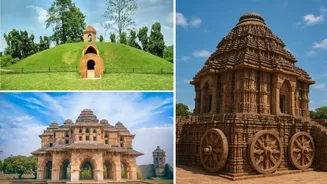
Hampi, the former capital of the Vijayanagara Empire, was designated a UNESCO World Heritage Site in 1986. Located in northern Karnataka, nestled along the Tungabhadra River, its landscape is dramatically characterized by granite boulders and extensive ruins. The period from October to February offers the most agreeable weather for exploring its many walking trails. While April visits are feasible, early morning excursions are strongly advised as midday temperatures can become quite high. Hampi preserves an entire medieval urban settlement, showcasing temples, bustling markets, ingenious water systems, and royal enclosures that provide insight into advanced planning for its era. The site's UNESCO status is attributed to the well-preserved ruins of the Vijayanagara Empire, its integrated urban planning combined with temple architecture, and its sophisticated water management systems. Tourist attractions in Hampi include the Virupaksha Temple, the Vittala Temple with its famous stone chariot, the royal enclosure and stepped tanks, and the historic Hampi Bazaar. Engaging activities include cycling across the heritage trail, climbing Matanga Hill for breathtaking sunrise views, exploring temple corridors with a local guide, and visiting traditional villages surrounding the ruins.
Ahom Dynasty's Legacy: Moidams of Assam
The Moidams of Assam, located in the Charaideo district approximately 28 km from Sivasagar, were inscribed as a UNESCO World Heritage Site in 2024. These royal burial mounds belong to the Ahom dynasty, which held sway for six centuries. The most comfortable time to visit is between November and March, when the weather is cooler with clearer skies, though summers tend to be humid and the monsoon months bring consistent rainfall. This site holds significant ceremonial and ongoing cultural importance for the Ahom community. Its UNESCO designation acknowledges the unique royal burial mound tradition of the Ahom dynasty, its distinct funerary architecture within India, and its value as a representation of cultural continuity and living heritage. Entry fees are approximately Rs 20 for Indian, SAARC, and BIMSTEC nationals, and around Rs 250 for foreign nationals. Tourist attractions in Charaideo primarily feature the royal burial mounds themselves and a site interpretation centre, with tea gardens also dotting the surrounding areas. Visitors can enjoy a walk across the burial mound complex, photograph the distinctive layered earthen structures, and venture to nearby historical sites like Rang Ghar and Talatal Ghar in Sivasagar. Exploring local monasteries and water tanks also offers further cultural immersion. Accommodation options include Destiny Lodge and Homestay, Platinum Lodge, and Juihal: The Ethnic Kitchen Stay.
Pallava Artistry: Mahabalipuram
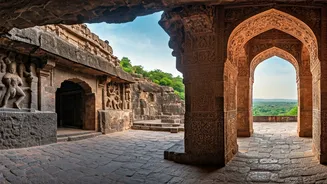
The Group of Monuments at Mahabalipuram, situated along the Coromandel Coast near Chennai, was recognized as a UNESCO World Heritage Site in 1984. The town enjoys a warm coastal climate, with sea breezes providing some respite during winter. The most opportune time for site visits is between November and February. These monuments originate from the Pallava dynasty and are celebrated for their rock-cut temples, monolithic structures, and intricate narrative relief panels carved directly into the stone. The site's recognition as a UNESCO World Heritage Site is due to its monolithic rock-cut temple architecture, the exceptional sculptural achievements of the Pallava era, and its significant narrative relief carvings presented in open stone panels. Entry fees are approximately Rs 40 for Indian nationals, Rs 600 for foreign nationals, and free for children under 15. Key tourist attractions include the Shore Temple, the Pancha Rathas (Five Chariots), the grand Arjuna's Penance relief panel, and various cave temples. Engaging activities for visitors involve joining a guided sculpture walk to understand the craftsmanship, visiting active stone-carving workshops to witness the art form in practice, spending leisurely time along the beach promenade, and browsing local handicraft markets. Recommended stays include Agam Villa and Perola do Mar.
Solar Splendor: Konark Sun Temple
The Sun Temple at Konark, inscribed as a UNESCO World Heritage Site in 1984, is located in Odisha, near the Bay of Bengal. The region experiences warm summers and generally mild winters, making the period from October to February ideal for exploring this extensive stone complex. Conceived as a colossal chariot dedicated to the Sun God, this 13th-century temple is particularly famed for its intricately sculpted wheels and its precise alignment with the sun's celestial path. Its status as a UNESCO World Heritage Site is attributed to its unique chariot-shaped temple design, its sophisticated astronomical alignment with solar movements, and its detailed stone carvings that offer a glimpse into medieval Odisha. Entry fees are approximately Rs 40 for Indian nationals, Rs 600 for foreign nationals, and free for children under 15. Major tourist attractions at the site include the exquisitely sculpted stone wheels, the main temple platform, the remnants of the Natya Mandir (dance hall), and the Konark Museum. Visitors can partake in a guided heritage walk, dedicate time to studying the astronomical carvings that adorn the temple, attend cultural performances particularly during festival seasons, and relax at the nearby Chandrabhaga Beach. Lodging options include Lotus Eco Retreat (a coastal stay nearby) and Nature Camp Konark Retreat.