





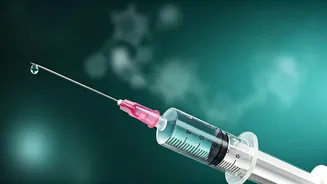


A New Era Begins
India has embarked on a significant public health journey with its nationwide HPV vaccination program, aiming to dramatically reduce the burden of cervical
cancer. This initiative targets adolescent girls, a crucial demographic for preventive healthcare, seeking to shield them from a disease that tragically claims thousands of lives each year in the country. The program's inception signifies a pivotal moment, promising a future where such preventable illnesses no longer devastate families. The initial phase has shown an overwhelmingly positive reception, with a substantial number of girls receiving protection within a very short period. This rapid progress begs the question of what strategies are driving this momentum and how this ambitious effort is poised to create lasting, positive change in the landscape of women's health.
Campaign Genesis & Goals
The comprehensive HPV vaccination initiative was officially launched on February 28, 2026, by Prime Minister Narendra Modi in Ajmer, Rajasthan, a move that beautifully aligns with the government's 'Swastha Nari' vision, emphasizing preventive healthcare for women. The ambitious goal set for this program is to administer the vaccine to approximately 1.2 crore 14-year-old girls annually, completely free of charge at public health facilities across all states and union territories. This mission-mode campaign is initially slated to run for a three-month period, after which it will be seamlessly integrated into the country's routine immunization schedule, ensuring sustained protection for future generations. The program's design prioritizes accessibility and broad reach, aiming to make a significant impact on national health statistics.
First Month's Success
The initial phase of India's HPV vaccination drive has yielded exceptionally encouraging results, surpassing expectations and setting a robust pace. In the very first month of its operation, the program successfully vaccinated nearly three lakh girls, a testament to its efficient execution and widespread adoption. The enthusiasm for this life-saving intervention is evident across various states, with prominent participation observed in Madhya Pradesh, Andhra Pradesh, Tamil Nadu, Gujarat, Odisha, and Mizoram, showcasing a collective commitment to safeguarding young women's health. This remarkable early success highlights the program's effectiveness in swiftly reaching diverse populations, including those in remote rural and underserved areas, demonstrating a strong logistical capability and community engagement strategy.
Vaccine Science and Safety
The vaccine utilized in this nationwide effort is the Gardasil-4 quadrivalent vaccine, administered as a single dose. This formulation offers protection against four key strains of the Human Papillomavirus (HPV): types 6, 11, 16, and 18. Notably, HPV types 16 and 18 are responsible for more than 80% of cervical cancer cases diagnosed in India, making this vaccine highly targeted. The World Health Organization (WHO) has validated the efficacy of a single dose for girls aged 9 to 20 years, reporting effectiveness rates ranging from 93% to an impressive 100% against the covered strains. Vaccination sessions are conducted under strict medical supervision at designated healthcare facilities, including Ayushman Arogya Mandirs, Primary Health Centers (PHCs), Community Health Centers (CHCs), and hospitals. Furthermore, the program is supported by 24/7 Adverse Event Following Immunization (AEFI) centers to ensure immediate attention and management of any potential concerns, underscoring a strong commitment to safety and participant well-being.
Cervical Cancer's Shadow
Cervical cancer poses a significant health challenge for Indian women, tragically ranking as the second most prevalent cancer among them. According to Globocan 2022 data, the country witnesses over 1.2 lakh new cases and tragically, around 80,000 deaths annually due to this disease. The overwhelming majority of these cases—nearly all—are directly linked to persistent infections with high-risk strains of the HPV. This statistic underscores the profound impact that preventive vaccination can have, acting as a crucial line of defense before exposure occurs. By effectively preventing precancerous lesions from developing, this vaccination drive directly addresses the heavy societal and individual burden imposed by cervical cancer, marking a crucial step towards its eradication.
Ensuring Long-Term Impact
Looking beyond the initial campaign phase, India is strategically planning to integrate HPV vaccination into its routine immunization services. This long-term approach will be further bolstered by complementary strategies focusing on cervical cancer screening and accessible treatment options. The continuity of vaccine supply is being secured through partnerships, with GAVI playing a role in ensuring sufficient resources. This positions India alongside more than 160 nations globally that have already prioritized HPV vaccination as a cornerstone of their public health agenda. The program's success hinges on sustained effort and ongoing awareness to ensure that future generations benefit from this crucial protection, ultimately shielding them from the devastating effects of cervical cancer and paving the way for a healthier tomorrow.