


Holistic Health Through Food
In today's health-conscious world, many women opt for supplements as a quick fix for common concerns like low energy, a weakened immune system, or hormonal
fluctuations. However, a more sustainable and effective approach to well-being often lies in our daily meals. Real foods offer a complex array of fibers, antioxidants, and natural compounds that work synergistically, a benefit that isolated supplements may not fully replicate. By making consistent, thoughtful changes to your diet, you can significantly impact your energy levels, digestive health, skin radiance, and overall metabolic balance. Instead of investing heavily in various supplements, prioritizing whole, unprocessed ingredients can provide similar, if not superior, support in a manner that is both economical and better recognized by your body. Incorporating these nutrient-dense foods into your regular eating patterns encourages long-term healthy habits that are manageable and realistic, fostering a deeper sense of vitality from within.
Bone Strength Boosters
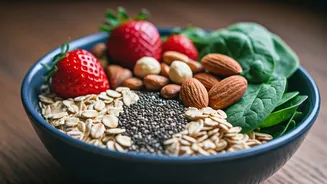
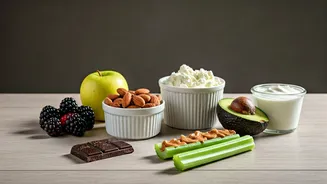
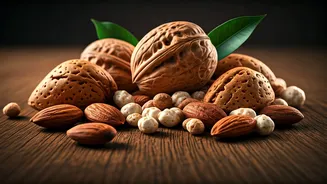
Forget the calcium tablets and turn to nature's bounty for robust bone health. Sesame seeds and almonds are powerhouses of calcium, essential for maintaining strong bones. They also provide healthy fats that contribute to overall skeletal well-being. Incorporating these versatile ingredients is incredibly simple; sprinkle sesame seeds into your morning porridge, toss them onto salads for a delightful crunch, or blend them into homemade chutneys. Almonds can be enjoyed as a quick snack, added to yogurt, or ground into flours for baking. This provides a steady, natural intake of calcium and other beneficial nutrients, promoting bone density without the need for synthetic supplements. Embracing these whole foods makes strengthening your bones a delicious and accessible part of your daily routine, aligning with a more holistic approach to health.
Energy and Nerve Vitality
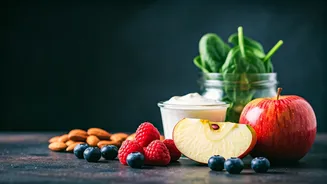
Maintaining adequate Vitamin B12 levels is crucial for sustained energy and healthy nerve function, and you can achieve this without reaching for supplements. Dairy products such as milk, yogurt, and paneer, along with nutrient-dense eggs, are excellent natural sources of this vital nutrient. Regularly including these foods in your diet ensures a consistent supply of Vitamin B12, which plays a key role in red blood cell formation and the proper functioning of the nervous system. Whether it's a bowl of yogurt with fruit for breakfast, scrambled eggs for lunch, or a paneer dish for dinner, these options are readily available and easy to integrate into your daily meals. By prioritizing these wholesome ingredients, you can naturally support your energy levels and neurological health, fostering a sense of vitality that comes from within.
Muscle Function and Calmness
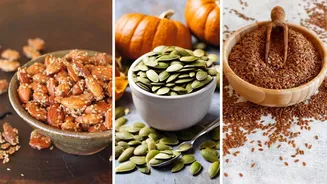
Magnesium is vital for optimal muscle function and plays a significant role in managing stress, and you can easily incorporate it into your diet through delicious food choices. Pumpkin seeds are an exceptional source of magnesium, offering a natural way to support your body's needs. Enjoy a small handful of roasted pumpkin seeds as a healthy snack, or sprinkle them onto salads and soups. For those with a sweet tooth, a small portion of high-cocoa dark chocolate can also provide a satisfying dose of magnesium while curbing cravings. The rich, complex compounds in dark chocolate, especially those with a high percentage of cocoa, offer additional antioxidant benefits. Combining these two delightful options allows you to nurture your muscles and promote a sense of calm, proving that essential nutrient intake can be both beneficial and pleasurable.
Immunity and Skin Radiance
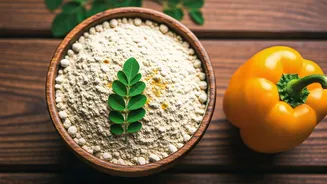
Bolster your body's defenses and enhance your skin's natural glow with Vitamin C-rich powerhouses like amla (Indian gooseberry) and capsicum. These vibrant ingredients are brimming with antioxidants and Vitamin C, essential for a robust immune system and healthy, radiant skin. Amla, known for its tart flavor, can be consumed fresh, juiced, or added to pickles and chutneys. Capsicum, available in various colors like red, yellow, and green, can be enjoyed raw in salads, stir-fried with vegetables, or roasted. Their high Vitamin C content helps combat oxidative stress, supports collagen production for skin elasticity, and strengthens your immune response, reducing susceptibility to infections. By making these fresh produce items a regular part of your meals, you are naturally equipping your body with the tools it needs to thrive, both internally and externally.
Natural Iron Support
For women seeking to naturally support their haemoglobin levels, traditional ingredients like garden cress seeds (halim) and dates offer a potent and readily available solution. Garden cress seeds are traditionally revered for their rich iron content and can be easily incorporated into your diet. Soak them in water and then mix them into doughs for rotis or parathas, or stir them into milk or yogurt. When paired with the natural sweetness and iron present in dates, these seeds create a synergistic blend that aids in iron absorption and helps combat iron deficiency. Dates themselves are a convenient and tasty source of natural sugars and minerals. Embracing this combination provides a gentle yet effective way to boost your iron intake, promoting better energy levels and overall vitality without resorting to supplements.
Gut Health Allies
Cultivating a healthy gut microbiome is fundamental to overall well-being, and you can achieve this naturally with fermented foods like rice kanji and homemade curd, rather than relying on expensive probiotic capsules. Rice kanji, or fermented rice water, is a traditional staple rich in beneficial bacteria that promote digestive health. Similarly, fresh, homemade curd (yogurt) is teeming with probiotics that help balance your gut flora. Consuming these regularly aids digestion, enhances nutrient absorption, and can even support immune function. Incorporating a serving of curd into your meals or enjoying a refreshing glass of rice kanji makes it easy to integrate these gut-friendly powerhouses into your daily routine. This natural approach to probiotic intake is both cost-effective and deeply nourishing for your digestive system.
Plant-Based Omega-3s
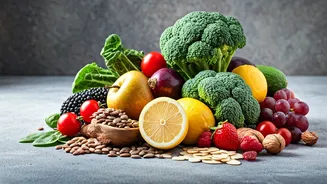
Nourish your body with essential omega-3 fatty acids through delicious and sustainable plant-based sources, bypassing the need for fish oil. Chia seeds, flax seeds, and walnuts are excellent alternatives, offering a wealth of these vital fats without the mercury concerns sometimes associated with fish oil. Chia seeds can be added to smoothies, puddings, or yogurt, while flax seeds are best consumed ground to maximize nutrient absorption, sprinkled on cereals or baked goods. Walnuts are a perfect snack or addition to salads and trail mixes. These seeds and nuts provide alpha-linolenic acid (ALA), a type of omega-3 that the body can convert into EPA and DHA. Making these economical and readily available ingredients a regular part of your diet ensures you receive the cardiovascular and anti-inflammatory benefits of omega-3s in a way that aligns with your health and environmental values.