


A Culinary Introduction
Gujarati cuisine is a delightful mix of sweet, savory, and spicy flavors. It's famous for its vegetarian dishes, many of which use a combination of spices
and herbs to create a unique taste. Gujarat's location and climate also significantly influence the food, incorporating local ingredients and cooking styles. The use of legumes, grains, and vegetables is central, often prepared with thoughtful consideration for both taste and health. Whether you are a seasoned foodie or just starting to discover Indian cuisine, Gujarati dishes offer an exciting and delicious option. This culinary tradition often focuses on balance, using a combination of sweet, sour, and spicy elements that create a satisfying experience for the palate. The emphasis on fresh, local ingredients ensures that the meals are both flavorful and nutritious, catering to a range of dietary needs and preferences.
Undhiyu: Earthy Goodness
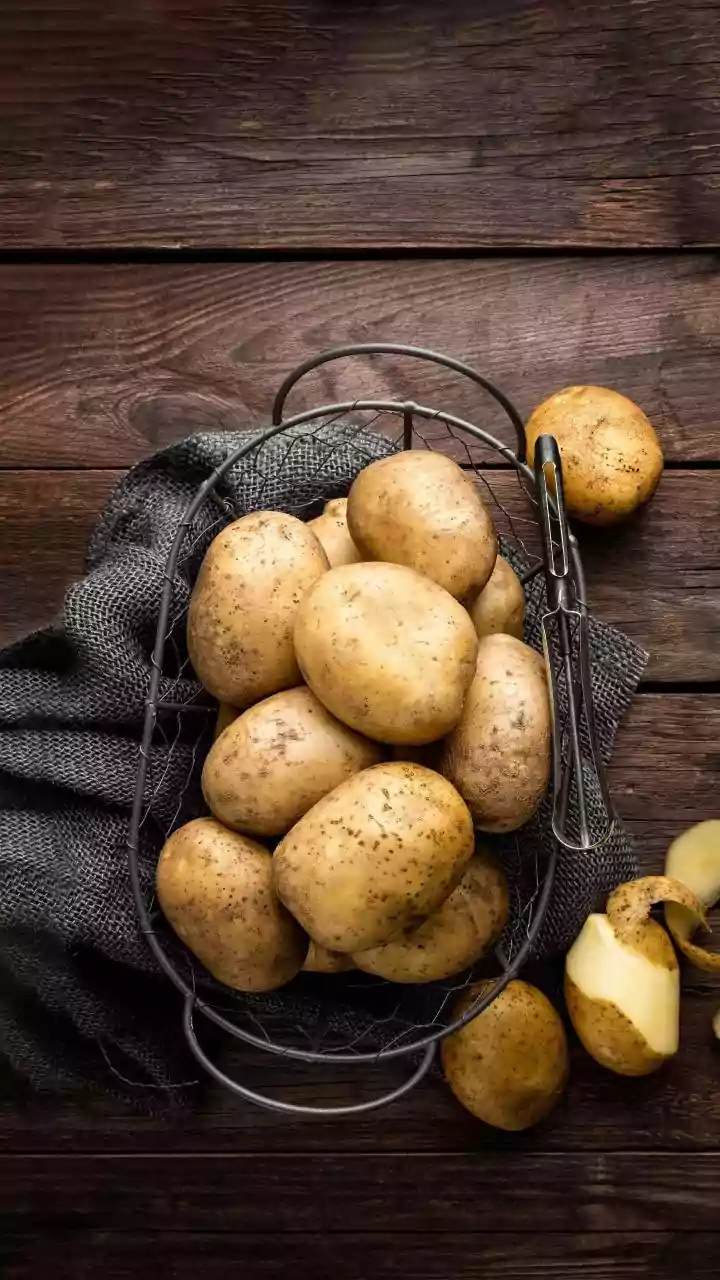
Undhiyu, a winter specialty, is a mixed vegetable dish slow-cooked underground in earthen pots, giving it a unique earthy flavor. It is a hearty medley of various seasonal vegetables, skillfully cooked with an array of aromatic spices and herbs. The vegetables typically include eggplant, potatoes, beans, and often, a mix of other seasonal produce like yam. The preparation involves a complex process, where vegetables are combined with a mixture of spices and placed into the earthen pots. Then, the pots are carefully placed underground and slow-cooked over a low fire. This technique ensures that each vegetable absorbs the flavors of the spices and creates a uniform taste. Undhiyu is often served with hot puris and, sometimes, with other accompaniments like buttermilk or yogurt. This dish not only reflects the rich culinary tradition of Gujarat, but also is a symbol of community and festive celebrations, making it a must-try during the winter months.
Dhokla: The Fluffy Treat
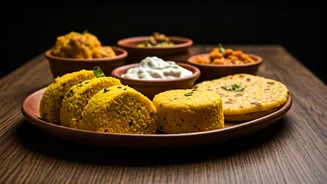
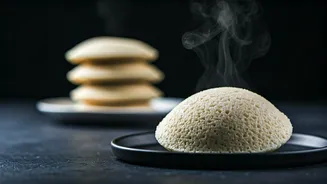
Dhokla, a light and fluffy steamed cake, is a popular Gujarati snack that's perfect for any time of day. It is made primarily from fermented batter of rice and chickpeas, which gives it a unique texture and flavor. The fermentation process is key, as it enhances the flavor and makes the dhokla lighter. After the batter has fermented, it's steamed until light and fluffy. A typical Gujarati dhokla is seasoned with a tangy tadka of mustard seeds, green chilies, and curry leaves, poured over the steamed cake for that signature taste. Variations include khaman dhokla, which is also made with gram flour but has a different texture. This snack is typically served with chutneys, often coriander chutney and tamarind chutney. Due to its ease of preparation and its delicious taste, dhokla is a favorite snack across India, and it's a staple in Gujarati households.
Thepla: Everyday Delight
Thepla is a savory, soft flatbread that's an everyday staple in Gujarati households, perfect for breakfast or any meal. Usually prepared with whole wheat flour, spices, and fenugreek leaves (methi), it is known for its delicate texture and subtle flavors. The fenugreek leaves add a distinct flavor profile that elevates it from regular flatbreads. The dough is typically flavored with spices like turmeric, cumin, and coriander, giving it a mild flavor. Theplas are then lightly cooked on a griddle with a touch of oil, which gives them a soft and pliable texture. They are typically served with yogurt, pickles, or chutneys, such as a mango chutney, for a complete meal. The versatility of thepla makes it ideal for traveling. It can be easily stored and makes a quick, filling meal. Thepla's simple yet delicious flavor profile makes it a beloved part of Gujarati culinary tradition.
Khandvi: Rolled Elegance
Khandvi, an incredibly thin and delicate roll, made from gram flour, yogurt, and spices, offers a visual and culinary delight. The creation involves making a smooth batter using gram flour (besan), yogurt, and spices, which is then cooked on a low flame to thicken it. After it has cooled, the batter is spread thinly on a surface and cut into small, neat strips, then carefully rolled into bite-sized cylinders. The rolls are then topped with a flavorful tadka of mustard seeds, sesame seeds, and curry leaves. The final touch of grated coconut and coriander leaves contributes to both the taste and presentation. Khandvi is often regarded as a sophisticated appetizer and is both visually attractive and flavorful. The careful balance of flavors and textures makes this a dish to savor, and a showcase of Gujarati culinary artistry.
Handvo: Savory Cake
Handvo is a savory vegetable cake, typically baked or pan-fried, offering a medley of flavors and textures. It is made from a batter of lentils, rice, and various vegetables, which are combined with spices. The mixture is then baked in an oven or cooked on a stovetop. Handvo usually has vegetables like bottle gourd, carrots, and other seasonal ingredients, adding to the dish's flavor. The addition of spices such as ginger, green chilies, and cumin gives the handvo a distinctive taste. It is then often garnished with sesame seeds and coriander, enhancing both its flavor and appearance. The versatility of handvo means that its recipe can be adjusted to include different vegetables or spices to match preferences. It's a satisfying, filling dish, ideal for any meal or snack, reflecting the Gujarati love for innovative, flavorful cooking.
Dal Dhokli: Comfort Food
Dal Dhokli is a hearty and flavorful dish, combining lentils (dal) with small, dumpling-like pieces of dough (dhokli). This Gujarati comfort food is loved for its comforting warmth and the blend of textures it presents. The dish begins with a flavorful lentil base, typically made from toor dal (split pigeon peas), cooked with spices such as turmeric, coriander, and cumin. The dhokli, small pieces of wheat dough, are added to the simmering dal, where they cook until soft but still hold their shape. This process gives the dal a hearty consistency. The dish is often finished with a tempering of spices, mustard seeds, and curry leaves, infusing it with aromatic flavors. Dal Dhokli is an example of Gujarati culinary cleverness: transforming basic ingredients into a wholesome and fulfilling meal, popular for its easy preparation and satisfying flavors.
Sev Tameta Nu Shaak
Sev Tameta nu Shaak is a tangy and flavorful Gujarati dish combining tomatoes, sev (crispy gram flour noodles), and spices, giving a delightful mix of textures. It is made by cooking chopped tomatoes with a blend of spices, including turmeric, coriander, and chili powder. Once the tomatoes are softened, the crunchy sev is added, allowing it to absorb the flavors from the tomato gravy while retaining its crispy texture. The dish's tanginess comes from the tomatoes and the balance of spices, with sweetness that often results from the cooking process. Sev Tameta nu Shaak is typically served with roti or rice. This dish reflects the Gujarati preference for balancing sweet, sour, and spicy flavors. It provides a simple yet satisfying meal for any occasion, demonstrating the culinary skill of Gujarati cooks in utilizing basic ingredients to achieve maximum flavor and texture.
Khaman: The Classic Delight
Khaman, often confused with dhokla, is another popular Gujarati snack, known for its light, fluffy texture and mild tangy flavor. It is made from a batter of gram flour (besan), which is fermented and then steamed. The main ingredients consist of a specific type of gram flour, water, and spices. Once the batter has fermented, it's steamed until it becomes light and spongy. It’s the slight sourness from the fermentation process which gives it a unique tang. To serve, khaman is typically garnished with a tadka of mustard seeds, green chilies, and curry leaves. It is often served with a variety of chutneys, such as coriander or tamarind chutney. Khaman is a favorite snack throughout Gujarat, and it's popular at celebrations. Its ease of preparation and its delicious flavor make it a beloved dish.