






Zero-Duty Motorcycle Imports
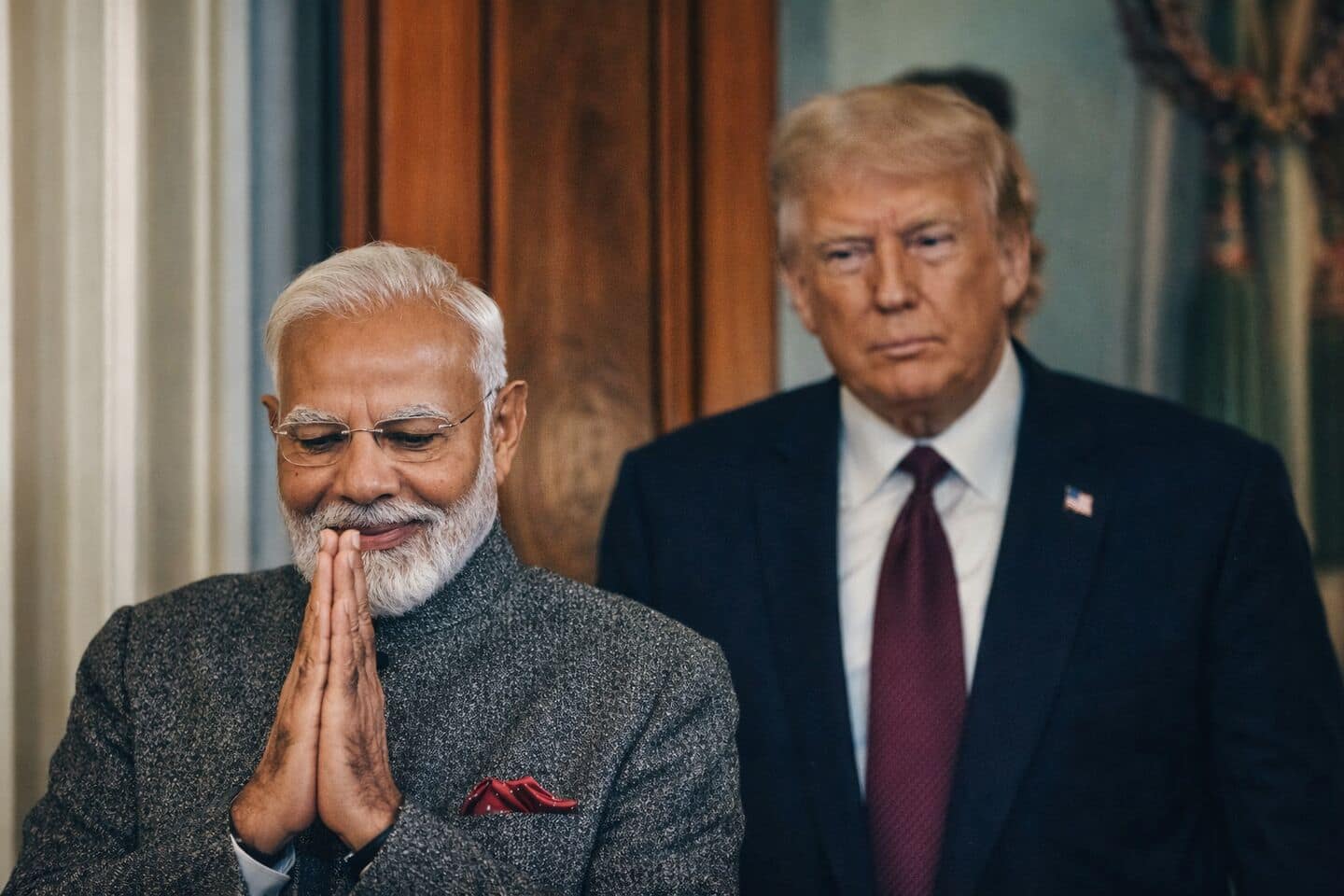
A significant shift is underway in India's automotive import landscape, driven by a recently finalized interim trade agreement with the United States.
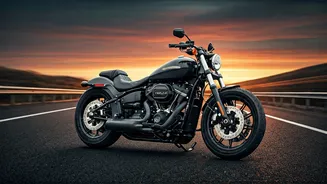
Under this new understanding, India has committed to offering zero-duty access for American motorcycle manufacturers, specifically targeting bikes with engine capacities ranging from 800 cc to 1,600 cc and above. This strategic move is poised to directly benefit renowned premium motorcycle brands that have historically faced substantial import tariffs. The expectation is that this duty reduction will translate into more competitive pricing for these sought-after machines, making them more accessible to a wider segment of Indian consumers. This aspect of the agreement is particularly beneficial for enthusiasts of high-performance, large-engine motorcycles, as it removes a major financial barrier that previously inflated their cost. The inclusion of this provision signals a clear intent to foster greater international trade in the premium two-wheeler segment, while also acknowledging the appeal of global brands within the Indian market.
Gradual ICE Car Duty Relief
The trade agreement also introduces a more measured approach to reducing import duties on certain internal combustion engine (ICE) vehicles manufactured in the US. For luxury cars, the duty concessions will be implemented incrementally. Specifically, India will offer duty reductions on imported diesel vehicles with engines of 2,500 cc and above, as well as petrol vehicles exceeding 3,000 cc. This phased strategy is designed to provide the domestic automotive industry with adequate time to adapt and respond to the evolving competitive environment. By avoiding an immediate and drastic reduction in tariffs, the government aims to prevent sudden disruptions to local manufacturers, allowing them to strategically adjust their production and pricing models. This cautious implementation ensures that the Indian auto sector can gradually integrate these changes, thereby safeguarding the interests of domestic players while still facilitating a controlled opening of the market to imported luxury vehicles over time.
EVs Excluded for Protection
In a deliberate move to safeguard and nurture its burgeoning domestic electric vehicle (EV) industry, the trade agreement between India and the US explicitly excludes electric vehicles from any duty benefits. This decision underscores India's commitment to fostering local innovation and manufacturing in the EV space. The government has actively supported the growth of its own EV sector through various incentive programs, such as the Production-Linked Incentive (PLI) scheme, encouraging substantial investment from Indian companies. Consequently, imported EVs will continue to face existing high import taxes. This protective measure ensures that foreign EV brands, including prominent ones like Tesla, will not gain a cost advantage from this trade pact. The focus remains on empowering Indian manufacturers like Tata Motors and Mahindra, allowing them to thrive and expand their market share without being immediately undercut by cheaper imported alternatives, thereby solidifying India's position as a growing hub for electric mobility.