

Essential Ingredients & Prep
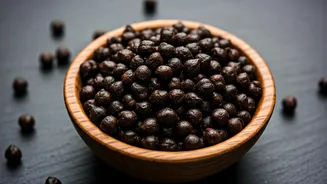
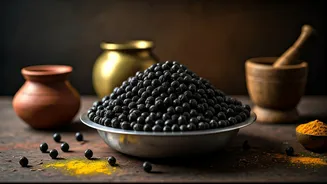
To create approximately 8-10 servings of authentic Kanjak kala chana, you'll need 1 cup of black chickpeas. For cooking, prepare 3 to 3.5 cups of water
and a pinch of salt. The flavor base is built with 2 tablespoons of oil or ghee, half a teaspoon of cumin seeds (jeera), and one teaspoon of grated ginger. For a mild spiced aroma, include 2-3 slit green chilies (optional for pure prasad). The spice mix comprises half a teaspoon each of turmeric powder (haldi), coriander powder, and a mild red chili powder if desired for Kanjak, along with half a teaspoon of garam masala. Finally, salt to taste and freshly chopped coriander for garnish complete the list. Begin by thoroughly washing the kala chana under running water. Crucially, soak the washed chana overnight, for about 8 to 10 hours, in ample water. This step is vital for softening the chickpeas, ensuring they cook evenly and become tender. After soaking, drain the water and give the chana a quick rinse before proceeding to the cooking stage.
The Cooking Process
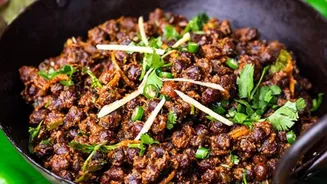
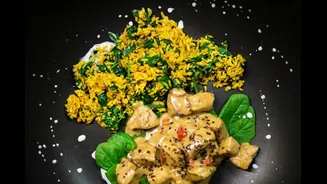
Once your kala chana is soaked and rinsed, it's time to cook it to perfection. Place the soaked chickpeas into a pressure cooker, adding 3.5 cups of fresh water and half a teaspoon of salt. Secure the lid and cook for approximately 7 whistles over medium heat. While the chana is cooking, prepare the tempering by heating 2 tablespoons of oil or ghee in a separate pan. Once hot, add the cumin seeds and allow them to splutter. Next, sauté the grated ginger and slit green chilies (if using) for about 30 seconds until fragrant. Introduce the ground spices: turmeric powder, coriander powder, and red chili powder (if used), sautéing them for another 30 seconds to release their aromas. Now, carefully add the boiled chana along with a portion of its cooking water to this spiced mixture. Stir everything together well and let it simmer for about 12 minutes, allowing the flavors to meld. Stir in the garam masala and mix again. Continue to cook for another 5 minutes, enabling the gravy to thicken to a semi-dry consistency. Just before serving, sprinkle generously with freshly chopped coriander and a bit more grated ginger for a fresh finish.
Tips for Authentic Flavor
Achieving that perfect Kanjak chana requires attention to a few key details. Always ensure the chickpeas are soaked overnight; this is the cornerstone of achieving a soft and thoroughly cooked texture. When preparing prasad for Kanjak, it's important to use mild spices and keep the dish light, avoiding overly spicy or oily preparations. Don't underestimate the power of ginger; its inclusion not only adds a pleasant warmth but also aids in digestion, making the prasad more wholesome. For an authentic Kanjak preparation, strictly avoid tomatoes or onions, as the traditional recipe is satvik and made without them. Utilizing some of the cooking water is crucial; this flavorful liquid, often referred to as 'stock,' significantly enhances both the taste and nutritional value of the dish. After cooking, letting the chana rest, covered, for a short period helps the flavors to fully develop and keeps it wonderfully moist. If possible, opt for ghee over oil; it lends a richer, purer flavor profile that is most appropriate for prasad.
Spiritual Significance
The preparation and offering of kala chana during Kanjak hold deep symbolic meaning, extending far beyond mere culinary practice. This humble dish represents more than just food; it serves as a powerful symbol of gratitude and acknowledges the divine feminine presence embodied by young girls. Offering kala chana is a profound way to express respect for these young girls, who are revered as living manifestations of the Goddess herself during Navratri. This ritual is also believed to invite blessings of abundance, promoting growth and bestowing strength upon the household and devotees. Furthermore, it serves as a beautiful reminder of the values of simplicity, humility, and purity that are central to the spirit of festive traditions and devotional practices. Every household often possesses its own cherished recipe, a culinary legacy passed down through generations, but the underlying sentiment remains constant: to prepare and offer food with heartfelt love and devotion.