







Record Voter Turnout
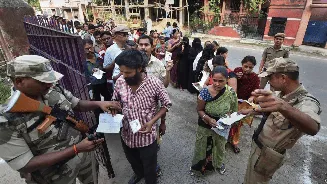
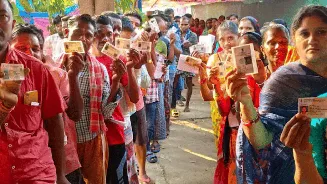
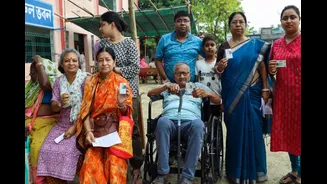
Phase 1 of the West Bengal Assembly elections concluded with an overwhelmingly positive response from voters, as indicated by a substantial turnout. By
5 PM, the election commission reported that an impressive 89.93% of eligible voters had cast their ballots. This significant participation rate spanned across 152 of the state's 294 constituencies, covering a broad geographical area. Voting commenced promptly at 7 AM, allowing citizens ample time to exercise their democratic right throughout the day. The constituencies included those numbered 1 through 76, along with seats from 203 to 258 and 275 to 294, showcasing the extensive reach of this electoral event. The high turnout suggests a deeply engaged electorate eager to participate in shaping the state's future governance.
Empowering Women Voters
A commendable aspect of Phase 1 was the significant emphasis placed on women's participation and leadership within the polling process. A total of 5,444 polling booths were exclusively managed by women, reflecting a progressive step towards gender inclusivity in electoral administration. Furthermore, the election also featured 207 designated model booths, designed to enhance the voting experience for all citizens. Adding to the representation of women, 167 female candidates were in the running for seats in this initial phase. This dual focus on women managing booths and a strong contingent of female candidates aims to foster a more inclusive and representative democratic landscape in West Bengal, encouraging greater participation from all sections of society.
Localized Tensions
While the majority of Phase 1 polling proceeded peacefully and efficiently, pockets of tension were reported in specific areas, drawing attention from election authorities. Murshidabad district, in particular, experienced heightened electoral anxiety, with specific concerns noted around the Nowda constituency. Election officials worked diligently to manage and de-escalate these situations to ensure the safety and integrity of the voting process. In anticipation of the upcoming phases, approximately 91 lakh voters were deleted from the electoral rolls, a measure often undertaken to streamline the process and ensure accuracy. These localized challenges serve as a reminder of the complexities involved in conducting large-scale democratic exercises across diverse regions.
Looking Ahead
With the successful conclusion of Phase 1, attention now shifts to the subsequent stages of the West Bengal Assembly elections. The second phase, scheduled for April 29, is set to cover a significant portion of the state, including key districts such as North and South 24 Parganas, Kolkata, Howrah, Hooghly, Nadia, and Purba Bardhaman. These areas represent densely populated and politically diverse regions, promising further engagement and potentially unique electoral dynamics. The experience gained from Phase 1, including the high turnout and the management of both smooth and tense polling environments, will undoubtedly inform the preparations and execution of the upcoming phases, aiming for a comprehensive and fair electoral process across the entire state.