





What is Heatstroke?
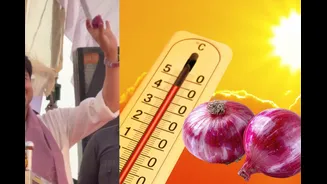
Heatstroke is a critical medical emergency where the body's temperature regulation system fails, causing body temperature to exceed 105°F (40.5°C). Unlike
a fever, where the body can still adjust temperature, in heatstroke, this mechanism collapses, necessitating external cooling. It's vital to distinguish this from dehydration, which involves a decrease in blood volume and body fluids, whereas heatstroke is fundamentally about dangerously elevated body temperature and central nervous system dysfunction, including confusion, agitation, and unconsciousness. The body’s inability to cool itself is the hallmark of this severe condition, making immediate intervention paramount.
Recognizing Early Signs
Many individuals overlook or dismiss the initial warning signs of heatstroke, often until the situation becomes dire. As temperatures climb to 40-45°C with high humidity, the body's cooling capacity diminishes. Early symptoms manifest as fatigue, dizziness, nausea, thirst, and a general feeling of being unwell. However, by the time patients arrive at hospitals, they are frequently disoriented, unconscious, and have no recollection of the preceding events. This highlights the critical need for prompt recognition and action, as most patients present in a critical state, underscoring the urgency of understanding these subtle yet significant early indicators.
Rising Cases Explained
The escalating incidence of heatstroke cases in India is directly attributable to the intensifying effects of climate change. Experts like Dr. Amlendu Yadav note that heatstroke was not a commonly discussed ailment during their earlier training periods, underscoring its recent surge. In one stark example, a dedicated heatstroke unit established in May 2024 treated 75 patients, tragically resulting in 27 deaths, often due to delayed presentation. Without timely and appropriate treatment, the global mortality rate for heatstroke can reach a devastating 80 percent. However, with prompt medical intervention, this figure can be dramatically reduced to just 10 percent, emphasizing the critical role of accessible and timely care.
Vulnerable Populations Identified
Certain groups are disproportionately at risk of succumbing to heatstroke due to their occupations and living conditions. Outdoor workers, including traffic police, construction laborers, roadside vendors, sex workers, beggars, and security personnel, are highly susceptible given their prolonged exposure to extreme temperatures. Additionally, children and the elderly are also considered vulnerable populations. Their physiological systems may be less resilient to the stresses of intense heat, making them more prone to developing severe heat-related illnesses. Awareness and targeted preventive measures are therefore essential for these groups.
Inside the Heatstroke Unit
Dedicated heatstroke units, like the one established at Dr. Ram Manohar Lohia Hospital in 2024, are crucial for managing severe cases. The primary focus is rapid cooling and continuous patient monitoring. Techniques such as cold water immersion, where patients are submerged in chilled water, are employed to lower body temperature by one degree Celsius every five to seven minutes, aiming for a target of around 38°C within half an hour. The units are equipped with specialized tubs, ice machines, and vital monitoring systems. Efforts are also underway to equip ambulances for pre-hospital cooling, recognizing that every minute is critical in improving survival chances.
Field Cooling Techniques
In emergency situations before reaching a medical facility, immediate cooling is paramount. For conscious individuals, administering cold water and performing cold sponging can be beneficial. Bystanders can assist by moving the patient to a shaded area, continuing cold sponging, providing oral rehydration solutions (ORS), and placing ice packs in the armpit region. A specific field technique mentioned is Tarpaulin Assisted Cooling in Field (TACO), which involves placing the patient on a tarpaulin and rolling them with ice. While specialized, the core principle for laypersons is to reduce body temperature as swiftly as possible.
Daily Prevention Strategies
Preventing heatstroke hinges on proactive awareness and consistent daily habits. Staying adequately hydrated is the foremost recommendation. This includes consuming ample fluids like ORS, fruit juices, buttermilk, and tender coconut water. It is also advised to avoid peak heat hours, typically between 12 PM and 4 or 5 PM, by limiting outdoor activities during this period. Wearing lightweight, loose-fitting clothing made of breathable fabrics further aids the body in staying cool. These simple yet effective measures form the bedrock of summer health protection.
Dietary Recommendations
A mindful diet plays a significant role in combating the effects of extreme heat. During summer and heatwave conditions, prioritizing hydration through liquids is essential. Recommended beverages include a variety of juices, buttermilk, sweet lassi, lemon juice, and coconut water, which help replenish lost fluids and electrolytes. Conversely, energy-dense foods that generate internal heat should be consumed sparingly. While ice cream offers temporary relief, its long-term benefit in preventing heatstroke is limited, reinforcing the importance of sustained hydration and easily digestible foods.
Long-Term Neurological Impact
Heatstroke can inflict lasting damage, particularly on neurological and mental health. In severe instances, patients may not fully recover their cognitive functions to pre-stroke levels. This is because prolonged exposure to temperatures above 105°F (40°C) can cause protein denaturation within the body, including essential enzymes that regulate bodily functions. Rebuilding these proteins and enzymes can be a lengthy process, and in some unfortunate cases, complete restoration of mental status may not be achievable, highlighting the severe and potentially permanent consequences of untreated heatstroke.