


Pre-Wash Oil Ritual
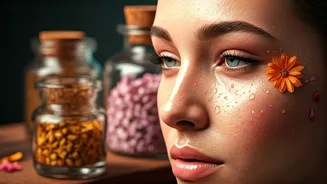
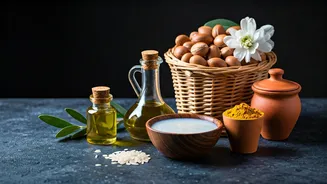
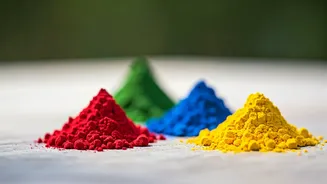
Before diving into the shower to wash away the festive hues, embrace the power of oil. Generously massage nourishing oils like coconut, almond, or olive
oil onto your face and body. This crucial step acts as a protective barrier, loosening pigment particles and significantly reducing the drying effects of cleansing. Allowing the oil to soak in for at least 20 minutes before rinsing ensures the colours are more easily lifted, preventing your skin from feeling stripped and parched. This preliminary treatment is key to preserving your skin's natural moisture and avoiding excessive friction during the cleansing process, setting the stage for gentle colour removal.
Natural Colour Lifting
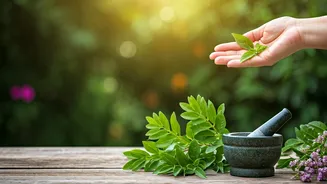
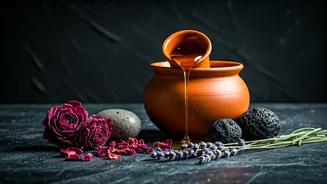
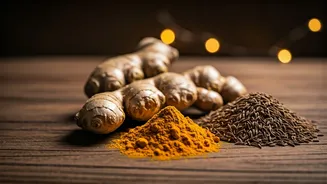
When it's time to cleanse, opt for nature's gentle touch. Prepare a soothing paste using gram flour, known for its mild exfoliating properties, combined with creamy yoghurt for hydration and a touch of lemon juice for its cleansing power. A tiny pinch of turmeric adds to the mix, offering its beneficial properties. Apply this paste evenly across your face and body, allowing it to semi-dry. As you rinse it off with lukewarm water, it effectively helps lift away the stubborn colour stains without the need for aggressive scrubbing. This method is far kinder to your skin than harsh chemical-laden products, promoting a natural and gentle removal of Holi pigments.
Avoid Harsh Treatments
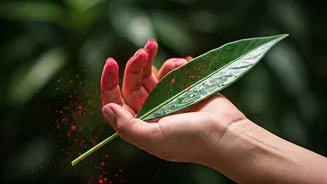
Resist the urge to scrub aggressively or reach for abrasive towels in an attempt to banish Holi colours instantly. Such forceful methods can compromise your skin's delicate barrier, leading to irritation, redness, and increased sensitivity. Instead, adopt a patient approach. Gently pat your skin dry after cleansing and consider repeating mild washing routines over a few days. This gradual process is much more effective in removing residual colour safely, allowing your skin to recover and repair itself naturally without enduring unnecessary trauma from harsh physical exfoliants or rough fabrics.
Soothe and Hydrate
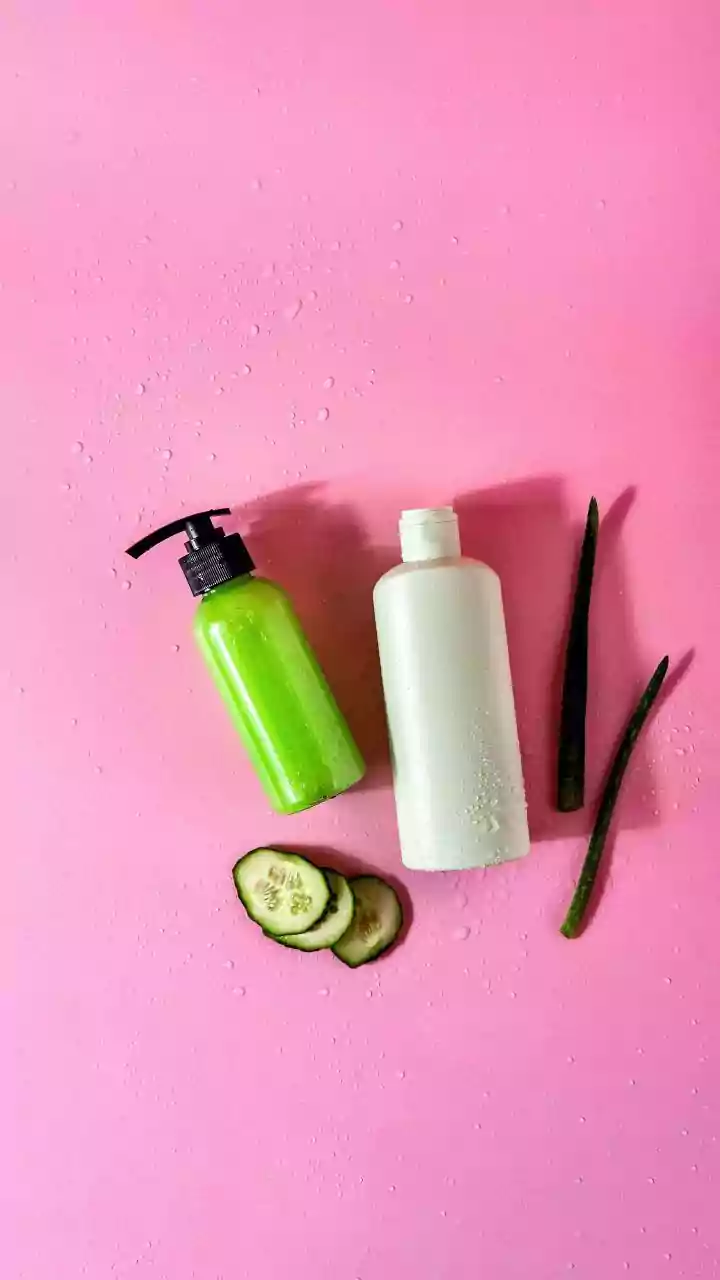
Once your skin is clean, turn your attention to soothing and replenishing its moisture levels. Applying fresh aloe vera gel is an excellent choice. Its natural cooling and anti-inflammatory properties work wonders to calm any residual irritation or redness caused by the colours and cleansing process. Aloe vera also plays a vital role in restoring the skin's moisture balance and supporting its natural repair mechanisms. This simple post-wash application helps to leave your skin feeling smooth, hydrated, and revitalized, effectively counteracting any dryness or discomfort experienced during the festivities.
Hair Colour Dissolving
Hair can often bear the brunt of vibrant Holi colours, becoming dry and dull. Begin by rinsing your hair thoroughly with plain water before reaching for shampoo. This initial rinse helps to dislodge a significant amount of the dry colour powder, preventing it from spreading further and making the subsequent shampooing more effective. This simple step reduces the amount of pigment that needs to be worked out by the shampoo, making the entire process gentler on your scalp and hair strands, and preventing the colours from becoming more entrenched.
Scalp Nourishment
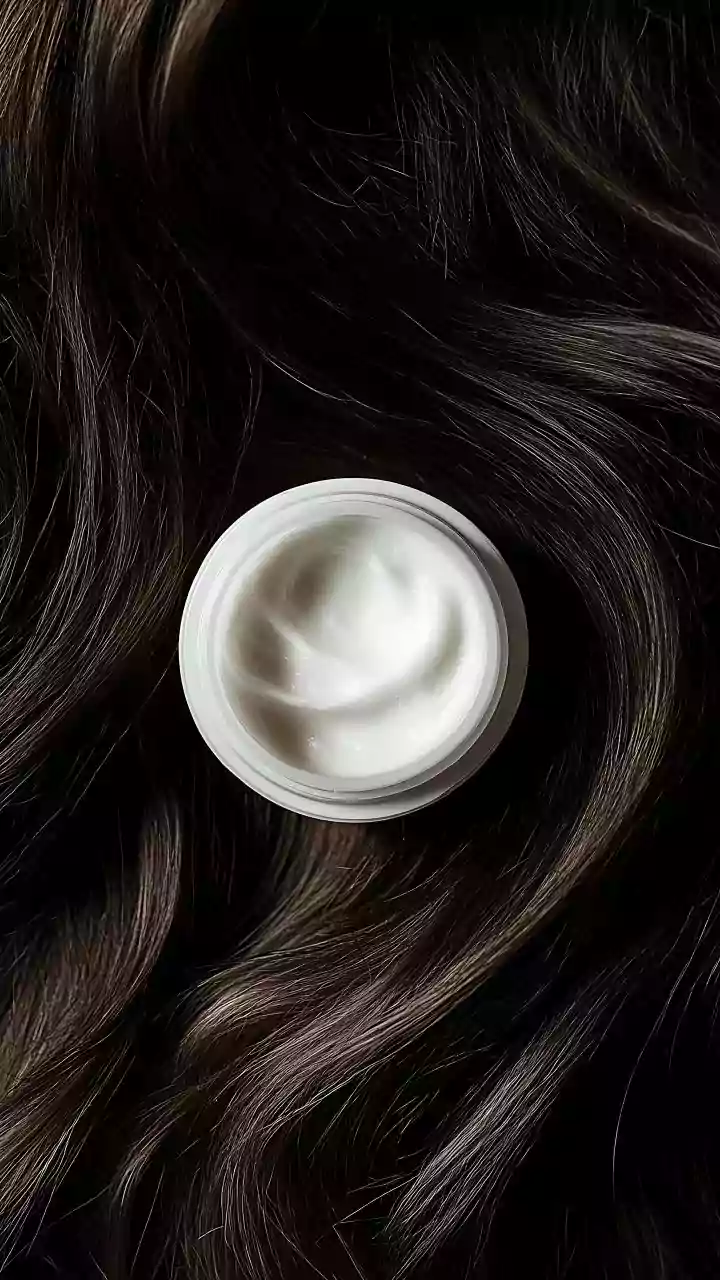
A warm oil treatment is a restorative step for your scalp and hair. Gently massage warm coconut or almond oil into your scalp and along the lengths of your hair. This warming effect not only helps to further dissolve any stubborn colour pigments that remain clinging to your strands but also deeply nourishes your roots. The oil penetrates the hair shaft, replenishing lost moisture and essential nutrients, which is vital after exposure to the colours. This practice helps to restore the health, shine, and softness of your hair, combating the dryness and damage often associated with Holi celebrations.
Gentle Hair Wash
When shampooing, opt for a mild, hydrating formula. You might need to repeat the shampooing process if colours are particularly stubborn, but ensure you do so gently. Following up with a rich, hydrating hair mask is essential to replenish the moisture that may have been stripped away during the colour application and removal process. For any lingering colour residue, a final rinse with diluted white vinegar can act as a natural clarifier, helping to remove dullness and restore shine to your strands without causing damage. This comprehensive approach ensures your hair is cleansed and deeply conditioned.