







The Gas Conundrum
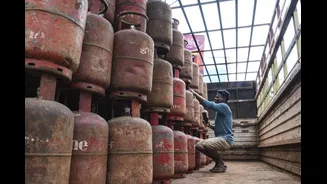
Recent geopolitical tensions in the Middle East have significantly disrupted global shipping routes, leading to a substantial shortage of liquefied petroleum
gas (LPG) in India. As a nation heavily reliant on imported cooking gas, several major cities are now experiencing the impact of these supply chain issues. In response, the government has implemented measures such as restricting the commercial use of LPG, extending the booking period for cylinders to 25 days, and intensifying refinery production to alleviate the pressure. Even the hospitality sector is feeling the strain, with restaurants forced to scale back their menus due to the scarcity of cooking fuel. This widespread shortage has created a pressing need for alternative cooking solutions, prompting a nationwide discussion on how to adapt.
Viral Tweet Ignites Change
MTV host and popular DJ Nikhil Chinapa's observation on Twitter has become a catalyst for a broader conversation about culinary innovation. He suggested that content creators who can demonstrate cooking with microwaves in India might see an explosion in their YouTube channel's viewership within the next couple of weeks, given the circumstances. This seemingly simple tweet quickly gained traction, sparking widespread engagement and debate among internet users. It highlighted a potential opportunity for digital creators to tap into a real-world need, transforming a challenge into a content goldmine and encouraging practical solutions for households facing cooking gas constraints.
Innovative Alternatives Emerge
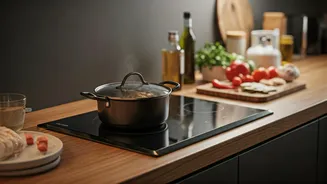
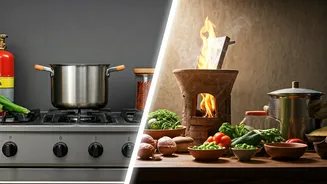
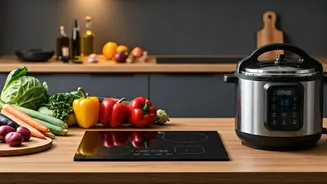
Following Nikhil Chinapa's viral tweet, a flurry of suggestions for alternative cooking methods flooded social media platforms. Users actively recommended embracing technologies like induction stoves and air fryers as viable replacements for traditional LPG cooking. One particular user shared their personal experience of completely ditching LPG cylinders for the past two to three years, relying solely on an induction cooktop and an air fryer for all their culinary needs. This growing trend indicates a significant shift in consumer behavior, with many now actively exploring and adopting appliances that offer a gas-free cooking experience, driven by both necessity and the desire for modern, efficient kitchen solutions.